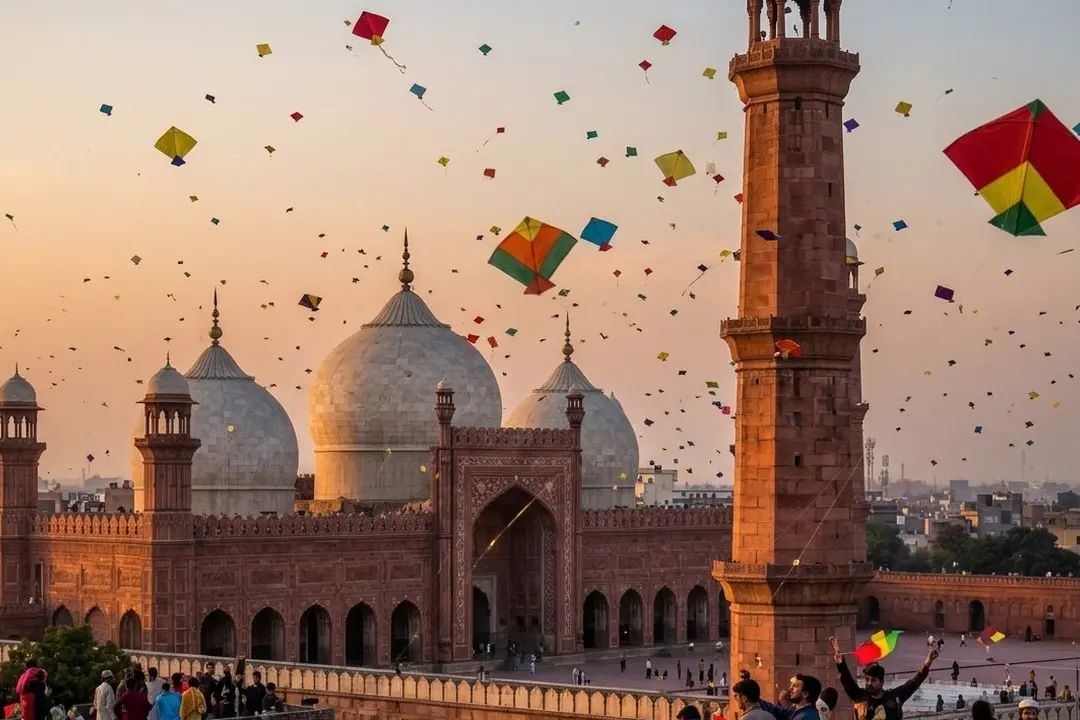
Lahore's Basant festival is back on the March calendar for 2027. Punjab's provincial cabinet has approved March 12, 13 and 14 for the celebrations, according to reports published on October 20 and 21, reversing an earlier decision to hold a longer festival between January 29 and February 7.
The latest move restores the three-day schedule that Chief Minister Maryam Nawaz Sharif originally announced in August. It is the second change to the festival calendar in about two months, following objections to the January programme from sections of Lahore's kite-making industry.
The reported cabinet approval establishes the latest government-approved schedule. However, the detailed conditions for kite flying, manufacturing, sales and transport remain important. The announcement of festival dates does not create unrestricted permission to fly kites or trade in kite-flying materials.
When will Basant 2027 take place in Lahore?
Under the latest reported decision, Lahore will celebrate Basant on Friday, March 12, Saturday, March 13 and Sunday, March 14, 2027.
The Express Tribune reported on October 21 that the Punjab cabinet had approved the three dates, replacing the 10-day programme announced by Maryam Nawaz on September 30.
That previous programme was scheduled from January 29 to February 7, with kite flying suspended on February 5 for Kashmir Solidarity Day. Although the calendar covered 10 days, it provided for nine days of celebrations involving kite flying.
The longer festival had been presented as an opportunity to promote Punjab's cultural heritage and Lahore's traditional identity. Government departments were instructed to make arrangements for public safety and visitors.
With the return to March, preparations must again follow the shorter three-day calendar.
How did the Basant dates change twice?
The first announcement came on August 18, 2026, when Chief Minister Maryam Nawaz said Lahore would host Basant from March 12 to 14, 2027. The festival was being planned after the regulated return of kite flying during Basant in February 2026.
On September 30, the government changed the dates, bringing the festival forward to January 29 and extending the programme through February 7. The move substantially increased its duration while reducing the time available for manufacturers and organisers to prepare.
The January schedule remained controversial for several weeks. On October 17, Dunya News reported that the Lahore deputy commissioner's office had issued a revised notice setting out March 12–14 as the proposed dates, subject to cabinet approval.
That approval was subsequently reported on October 20 and reconfirmed in coverage on October 21.
According to The Express Tribune, Lahore Deputy Commissioner Captain (retd) Muhammad Ali Ijaz sent a summary recommending the March dates to the Punjab Home Department. The department forwarded it to the provincial cabinet, which approved the change.
The complete signed cabinet decision and any consolidated operational order issued after that approval were not independently available for examination. The decision is therefore attributed to the contemporary reporting rather than presented as a directly inspected government document.
Why did the January Basant schedule face opposition?
The strongest publicly documented objections came from businesses involved in manufacturing kites and cotton string.
In an October 6 investigation, Dawn reported that manufacturers considered the January schedule difficult because it left less time to prepare supplies for a longer festival.
Industry representatives also described higher raw-material costs, difficulties obtaining bamboo and paper, and concerns about fog during winter. They argued that these factors could affect production, prices and the experience of kite flyers.
The shift from March to January was particularly significant for licensed manufacturers who had already been planning their production around the original festival dates.
Punjab Home Secretary Dr Ahmad Javed Qazi acknowledged discussions about the calendar in comments reported by Dawn. He indicated that a proposal concerning the festival dates would be taken to the provincial cabinet.
Separately, an October 20 report by UrduPoint referred to administrative matters, security arrangements and weather conditions as considerations connected to the revised schedule.
These accounts help explain the debate surrounding the government's decision. They do not, however, establish that the cabinet formally recorded one specific factor as the decisive reason for returning the festival to March.
What kite and string restrictions apply to Basant 2027?
The date reversal does not remove the safety restrictions governing kite flying.
The Lahore district administration's Basant 2027 guidance, published on September 16, states that approved traditional patang and gudda kites and cotton string in pinna form are permitted within the regulated framework.
Chemical-coated, metallic and dangerously sharpened kite string is prohibited. The district administration also lists charkhis, aerial firing and fireworks among banned activities or materials associated with the festival.
The restrictions are intended to reduce the risk of serious injuries, including those caused by dangerous string and unsafe festival activities.
Because the September guidance was issued before the later changes to the festival calendar, participants and businesses must also check for newer directions before relying on it as a complete statement of the rules.
Do kite manufacturers and sellers need registration?
Yes. The provincial system requires businesses involved in regulated Basant activities to comply with registration and approval requirements.
The Lahore administration began registering kite manufacturers in September 2026. According to Dawn's September 4 report, manufacturing applications were to open on September 5, with sellers, traders and kite-flying associations dealt with separately.
The Punjab government's Basant information portal also explains the registration framework for manufacturers, traders, sellers and associations through eBiz Punjab. Its page is labelled for the 2026 festival, so it should not be treated as confirmation of every registration date or operational condition for 2027.
Registration and permission to manufacture are not the same as unrestricted permission to sell or transport materials. The authorised dates and conditions for each activity must be checked under the applicable orders.
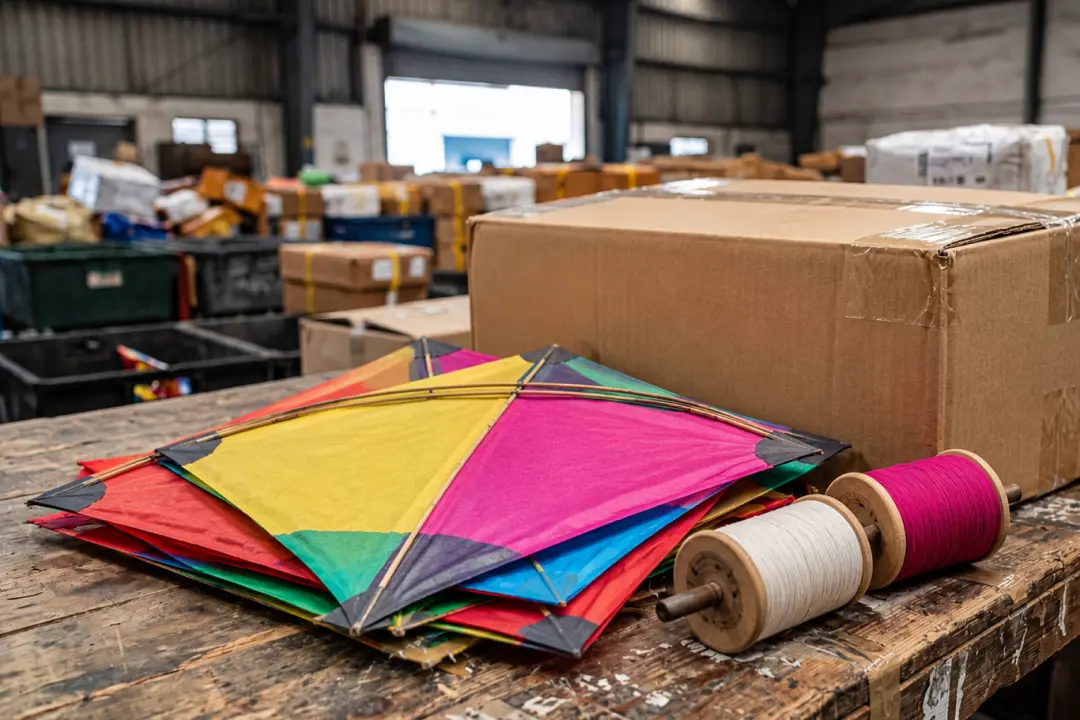
Transport restrictions are especially relevant. In September, the Lahore district administration announced restrictions on moving kite-flying materials through courier and transport services, while further postal enforcement measures were reported in October.
Origin Pakistan's earlier report on Pakistan Post's kite-delivery checks explains that separate issue. The latest decision on festival dates should not be interpreted as cancelling restrictions on unauthorised deliveries.
What safety rules apply to rooftops?
Punjab's safety framework places particular emphasis on preventing falls, overcrowding and accidents on rooftops used for kite flying.
According to Geo News' account of an April 24, 2026, Punjab Home Department notification, unsafe rooftops must not be used for permitted kite-flying activities. Buildings must be structurally sound, and rooftop parapets must be at least three-and-a-half feet high.
District authorities have powers to inspect vulnerable buildings and restrict kite flying at sites found unsafe. Rooftop overcrowding is prohibited, and owners are responsible for ensuring that the structure can safely support the number of people present.
Parents and guardians must supervise children, particularly near exposed roof edges. Running, jumping, leaning over parapets and dangerously chasing falling kites are among the activities covered by the restrictions.
The guidelines also address hazardous weather. Kite flying should not take place in strong winds, rain, thunderstorms or conditions of poor visibility.
Other safety measures include repairing damaged rooftops and stairs, keeping dangerous electrical wiring away from gathering areas, providing first-aid kits and making Rescue 1122 contact information accessible. Loud DJ systems and other prohibited high-volume sound equipment are also covered.
Associated Press of Pakistan reported December 30, 2026, as a deadline for implementation of the announced safety framework. A separate Dawn report referred to December 31 for building repairs and related safety arrangements.
Those accounts describe related but differently framed obligations. Property owners should confirm the precise deadlines and requirements that apply to their premises through the relevant government directions.
Can people fly kites before March 12?
The approval of March 12–14 does not authorise ordinary kite flying before the festival.
The regulated framework restricts kite flying to the dates and areas covered by applicable government permissions. A permitted kite or cotton string does not become lawful to use at any time simply because its material meets the approved specifications.
Residents should verify any updated district notification covering the permitted locations, dates, hours and other conditions. Manufacturers, traders and sellers should similarly confirm the authorisations governing their particular activities.
Previous festival notices, unofficial online calendars and social media announcements should not be relied on as evidence that a particular activity is legally authorised.
What happens next for Lahore Basant 2027?
With the March schedule reportedly approved by the cabinet, the next stage concerns implementation and public guidance.
The authorities will need to coordinate enforcement arrangements, building safety inspections, business permissions and the management of kite-flying activities within the permitted period.
Residents and visitors should follow updated notices from the Lahore district administration and the Punjab government, particularly where those notices address exact locations, operating hours and conditions for buying or flying kites.
For now, March 12–14 remains the latest reported cabinet-approved schedule for Lahore Basant 2027. The calendar has changed twice, but the central requirement remains the same: the festival must operate within the safety rules and government permissions in force when it takes place.