The Lahore High Court has dismissed a petition by Pakistan wicketkeeper-batter Mohammad Rizwan challenging an inquiry against him by the National Cyber Crime Investigation Agency (NCCIA), while separately ordering the agency not to subject him to "harassment or unnecessary inconvenience" during the investigation.
The ruling was contained in a written order issued by Lahore High Court Chief Justice Aalia Neelum following a hearing on September 17, the contents of which were reported on September 22. The order dismisses Rizwan's petition outright but places conditions on how the NCCIA can proceed against him.
What the court actually ordered
Justice Neelum ruled that the NCCIA's inquiry was neither without jurisdiction nor tainted by malice, and that it could not be interfered with at this preliminary stage. According to the order, a call-up notice from an investigating agency "is merely a procedural mechanism for gathering information and does not by itself amount to an accusation of wrongdoing."
The Deputy Attorney General told the court that the inquiry concerns alleged electronic fraud under Section 14 of the Prevention of Electronic Crimes Act (PECA), 2016, arising from information obtained through cyber patrolling that connected Rizwan to the matter under investigation.
Rizwan's lawyer, Qazi Umair Ali, had argued that the International Cricket Council's Anti-Corruption Unit (ACU), not a domestic cybercrime agency, was the appropriate forum for corruption-related allegations against a cricketer. Justice Neelum rejected this argument, noting that the ICC's Anti-Corruption Code establishes disciplinary rules rather than criminal law, and does not prevent a state agency from conducting its own inquiry under domestic law.
While dismissing the petition, the court directed Rizwan to join and cooperate with the NCCIA's proceedings, and simultaneously directed the NCCIA to ensure he is not subjected to "harassment or unnecessary inconvenience," and that the process is conducted strictly in accordance with the law.
How the case got here
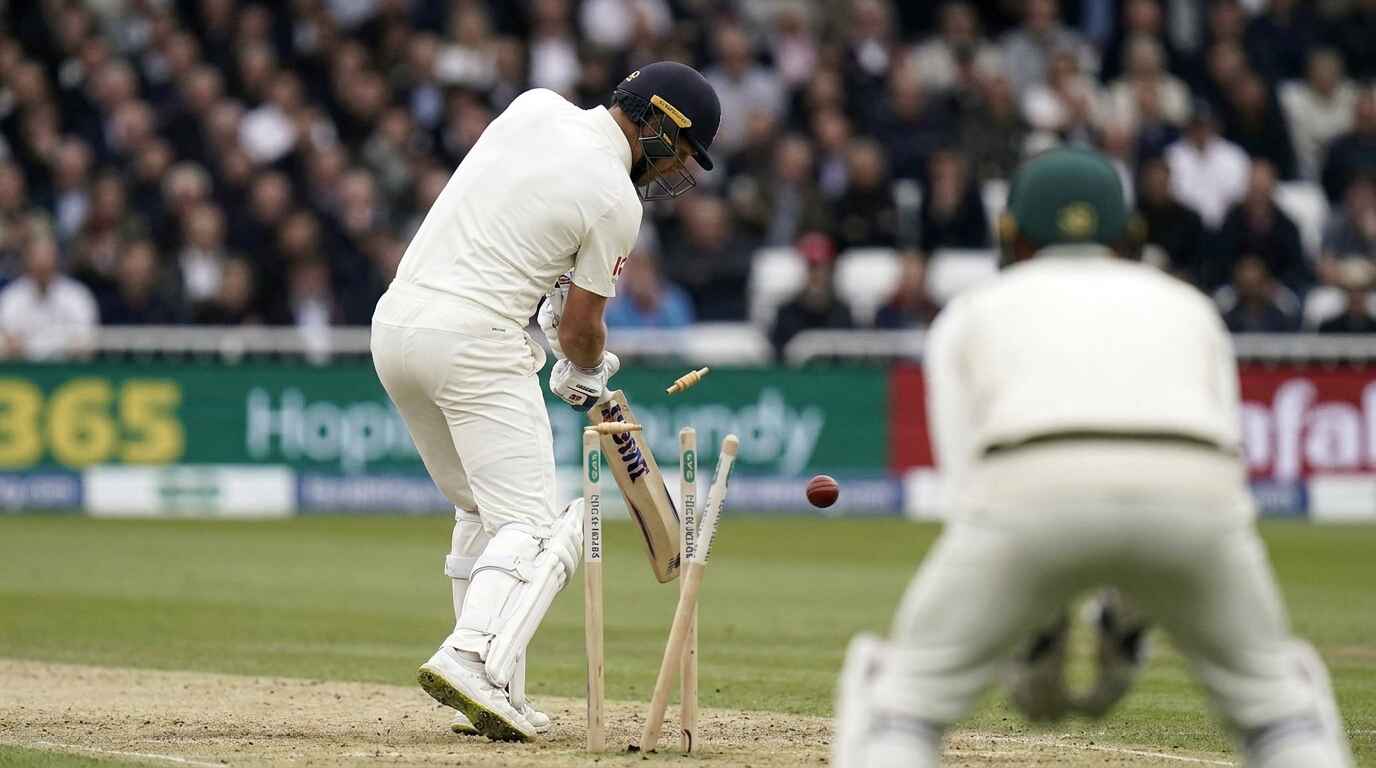
The inquiry traces back to Pakistan's tour of England, which ended in a 3-0 Test series whitewash. The Pakistan Cricket Board (PCB), led by Mohsin Naqvi, lodged a complaint with the NCCIA during the series, which was later reported to relate to alleged dressing-room leaks. The PCB separately announced on September 7 that it had opened an internal disciplinary inquiry "following media reports concerning discipline and conduct."
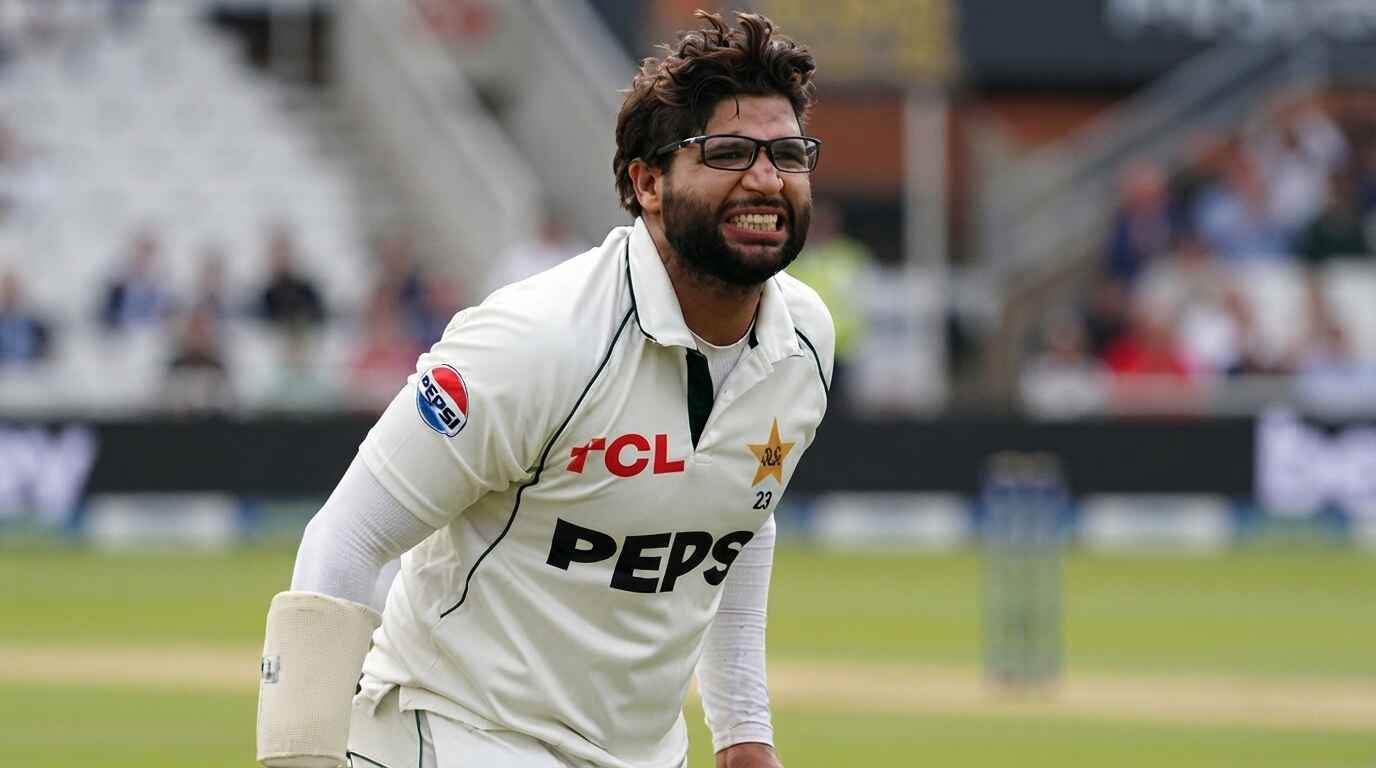
Rizwan and fellow batter Imam-ul-Haq were among several players sent home early from the England tour and were later barred from playing in the President's Trophy domestic tournament. Both players were summoned by the NCCIA and appeared before the agency on September 10. Imam-ul-Haq submitted written responses to the agency's questionnaire, while Rizwan chose to challenge the notice in court instead.
In his petition, filed on September 16, Rizwan argued that the NCCIA notice was vague and issued without legal jurisdiction, and that online betting was not a scheduled offence under PECA or its 2025 amendments. He also alleged that his mobile phone had been confiscated after Pakistan's Lord's Test, on an assurance that it would be returned within three hours, and that it had not been returned by the time the petition was filed. The court noted that Rizwan may pursue a separate legal remedy specifically for the return of the seized items.
Separately, Rizwan has approached the ICC's Anti-Corruption Unit, not with a complaint against any individual or body, but seeking clarification on the procedures that should have been followed, including whether the ICC or the England and Wales Cricket Board were involved in or aware of the seizure and forensic examination of his phone.
What's still unresolved
The NCCIA has not announced any findings against Rizwan, and no finding of wrongdoing has been made by any court or agency at this stage. The dismissal of the petition means the inquiry continues, but the harassment restriction gives Rizwan a degree of legal protection while it does. Whether he will pursue a separate legal remedy for the return of his phone, and how the NCCIA's inquiry ultimately concludes, remain open questions.