Oil prices moved lower on Wednesday as investors focused on diplomatic talks between Iran and Oman over the Strait of Hormuz, with hopes of increased traffic through the strategic waterway putting pressure on crude prices.
Brent crude futures were down 71 cents, or 0.8%, at $87.87 a barrel at 10:48 a.m. EDT (1450 GMT). US West Texas Intermediate crude was down 48 cents, or 0.58%, at $81.88 a barrel.
Both benchmarks had earlier fallen to their lowest levels since August 10 as investors reacted to expectations that progress in the Iran-Oman talks could eventually allow more vessels to pass through the Strait of Hormuz.
- QUICK FACTS
- Brent crude: $87.87 per barrel
- Brent move: Down 71 cents / 0.8%
- WTI crude: $81.88 per barrel
- WTI move: Down 48 cents / 0.58%
- US crude inventories: 428.9 million barrels
- Weekly inventory change: +95,000 barrels
- Key development: Iran-Oman talks on Strait of Hormuz
- Pakistan relevance: Potential impact on fuel prices and import costs
Iran-Oman Talks Put Pressure on Oil Prices
Iran and Oman are working on details of an arrangement concerning the Strait of Hormuz, according to an Iranian source cited in the report.
The waterway is one of the world's most important energy routes. Before the conflict began, around a fifth of global oil and gas supplies passed through the Strait of Hormuz.
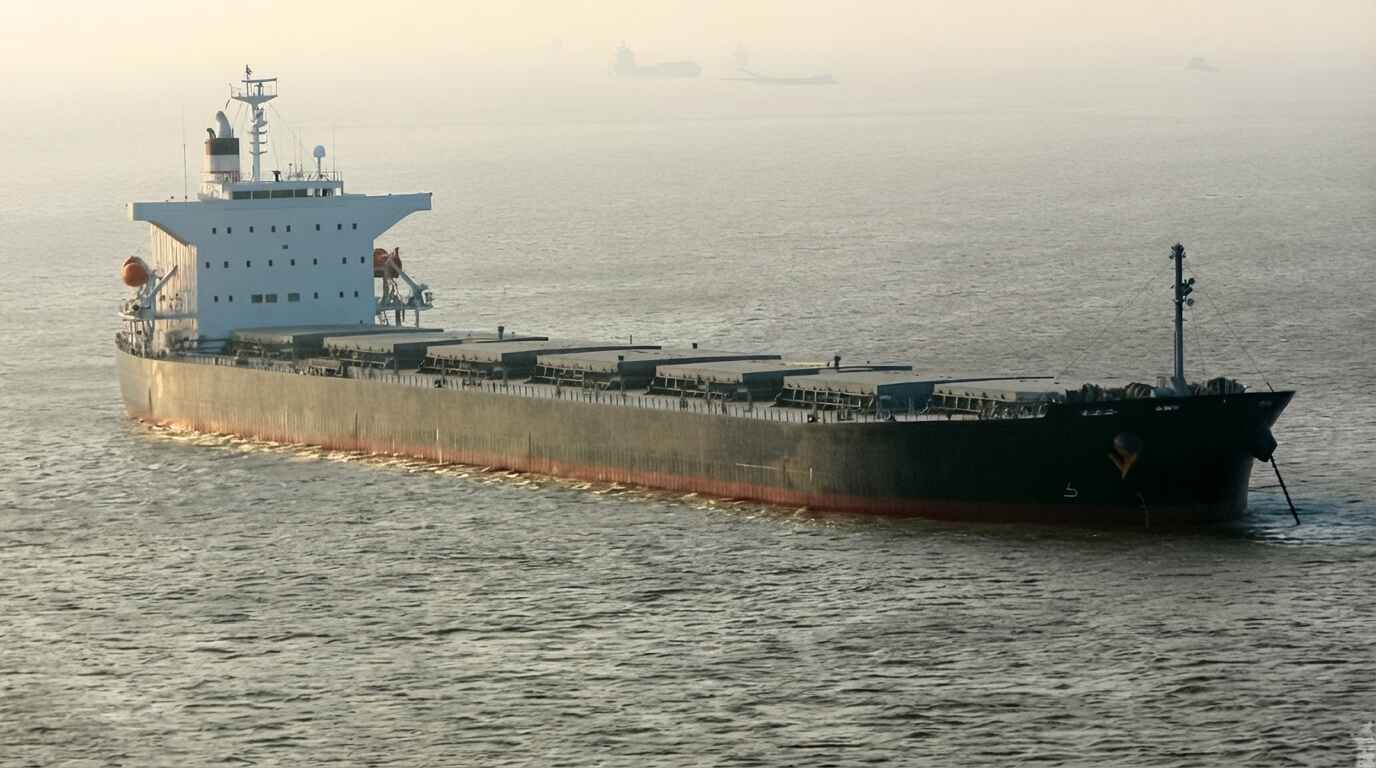
Current traffic remains well below normal levels. Preliminary data from ship tracker Kpler showed only five commodity vessels passed through the waterway on Tuesday, compared with a 10-day average of 15 and significantly below pre-war traffic levels.
For oil markets, any sustained increase in traffic would reduce concerns about supply disruptions and could remove some of the geopolitical premium that has supported crude prices.
US Oil Inventories Limit the Decline
The fall in oil prices was limited after US government data showed crude inventories increased by less than analysts had expected.
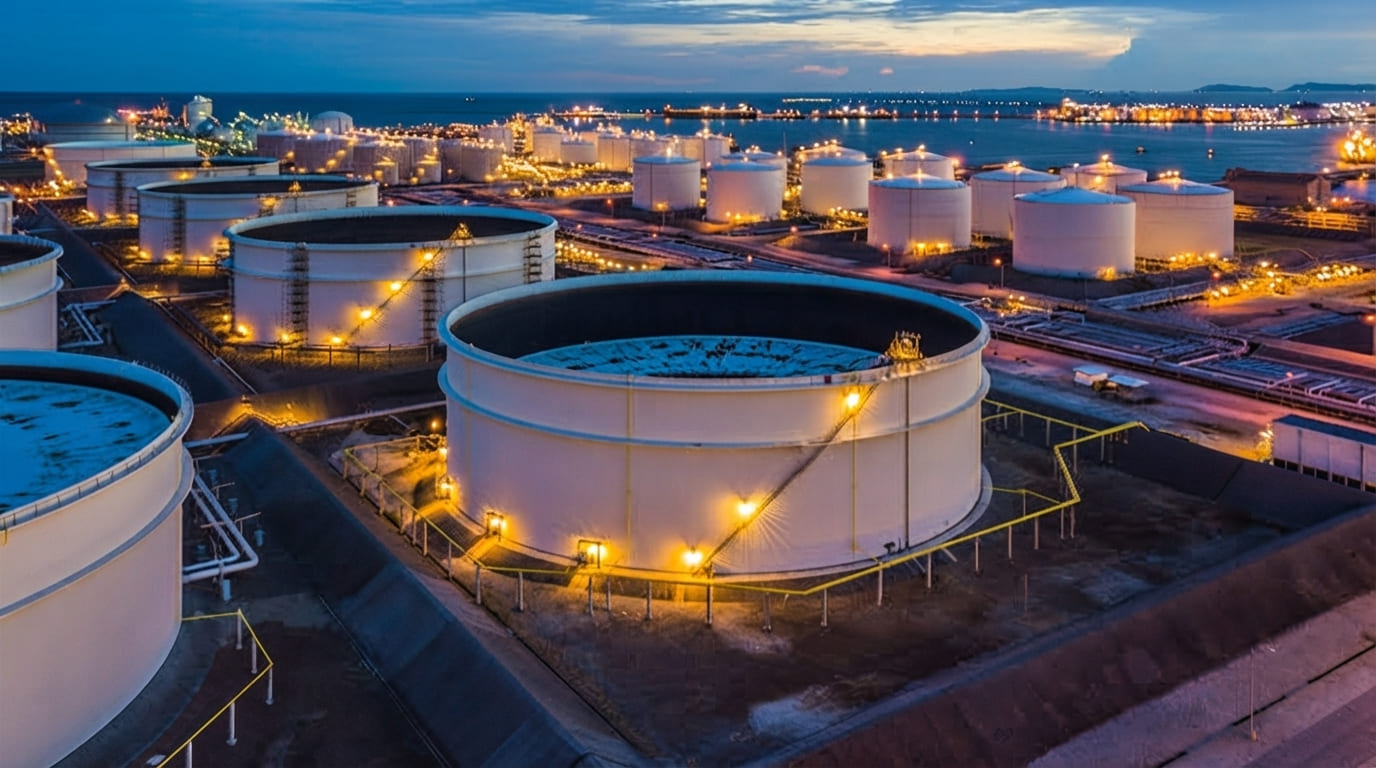
US crude inventories rose by 95,000 barrels to 428.9 million barrels in the week ended August 21. Analysts had expected inventories to increase by around 597,000 barrels.
The smaller-than-expected build provided some support to prices because it suggested US crude demand and supply conditions were tighter than the market had anticipated.
Why the Strait of Hormuz Matters
The Strait of Hormuz connects the Persian Gulf with the Gulf of Oman and is a critical route for global energy shipments.
Any prolonged restriction on traffic through the waterway can have a major impact on crude prices because oil traders immediately factor potential supply disruptions into the market.
For countries that depend heavily on imported energy, movements in international crude prices can eventually affect fuel costs, inflation and transportation expenses.
What It Could Mean for Pakistan
The direction of global oil prices remains particularly important for Pakistan because the country relies heavily on imported petroleum products and crude oil.
A sustained decline in international crude prices could provide some relief to Pakistan's import bill and reduce pressure on domestic fuel prices, although the final impact also depends on the rupee-dollar exchange rate, taxes, government pricing decisions and local petroleum costs.
For now, investors are watching whether the Iran-Oman discussions lead to a meaningful increase in traffic through the Strait of Hormuz. Any clear progress could put further downward pressure on oil prices, while renewed disruption could quickly push prices higher.
Oil Market Remains Sensitive to Hormuz Developments
Wednesday's move shows how closely crude markets are responding to developments around the Strait of Hormuz.
While Brent and WTI prices were lower, the smaller-than-expected increase in US inventories helped limit the decline. Traders are now likely to remain focused on both diplomatic developments and actual shipping traffic through the waterway.
For Pakistan and other major oil-importing countries, the outcome could have broader consequences beyond the energy market, particularly if lower crude prices continue for an extended period.