For audiences, a concert is often remembered through the performances on stage. Behind the scenes, however, it takes planning, coordination and a network of people to bring an event together. Karachi-based artist manager and event organiser Sajjad Khan has built his career around that side of Pakistan's entertainment industry, according to the professional biography supplied for this feature.
His journey, which he traces back to 2010, has taken him from pursuing opportunities in music and performance to working on live events, developing his own business identity through Studio 9 and, more recently, introducing EMH Entertainment Hub in 2026. The new venture reflects his stated interest in creating opportunities for emerging Pakistani talent.
Early Days: Searching for a Place in Entertainment
Khan's initial ambitions were not limited to organising events. His account describes a young professional interested in modelling, acting and singing, trying to find a way into an industry where contacts and practical experience can be difficult to build.
He recalls spending long periods outside studios in the hope of finding work. Opportunities were often modest: assisting with event-related tasks, helping people reach venues on his motorcycle or waiting for a possible assignment that did not always materialise.
Those experiences gradually introduced him to a different aspect of entertainment. Instead of concentrating only on being a performer, he became increasingly interested in the work required to organise productions, coordinate people and keep events running.
It was a shift from seeking a place in front of an audience to understanding the teams working behind the stage.
Music Remained Part of His Story
Even as his professional interests expanded, music remained an important part of Khan's account of his career. His supplied biography records the release of a song titled Meri Maa, Meri Maa in 2012, a project described as personally meaningful to him.
It also refers to his performance of Maa, Tujh Ko Main Yaad Aaunga following the Army Public School attack in Peshawar. The song is described in the profile as reflecting themes of motherhood, remembrance and loss.
These projects provide context for Khan's move into artist-related work. His experience was not presented solely as that of a business organiser; it also grew out of an interest in performance and the people who make music.
From Individual Assignments to Live Event Coordination
As Khan gained experience, his work increasingly involved arranging performances and handling practical responsibilities around live events. His supplied profile identifies an early milestone as helping arrange a performance by Pakistani singer Sahir Ali Bagga.
The biography also describes work involving DJs from Ukraine and Turkey, including the coordination and scheduling involved in bringing international performers to Pakistan. These accounts point to responsibilities that extend beyond arranging a name on a programme: communicating with performers, addressing logistical needs and coordinating with the teams responsible for delivering an event.
Khan's profile mentions event-related activity in Karachi as well as Sukkur and Hyderabad, with 2021 identified as another period of work involving well-known singers. The supplied material does not provide a complete event-by-event record, so those details are presented as part of his professional account rather than as an independently verified list of productions.
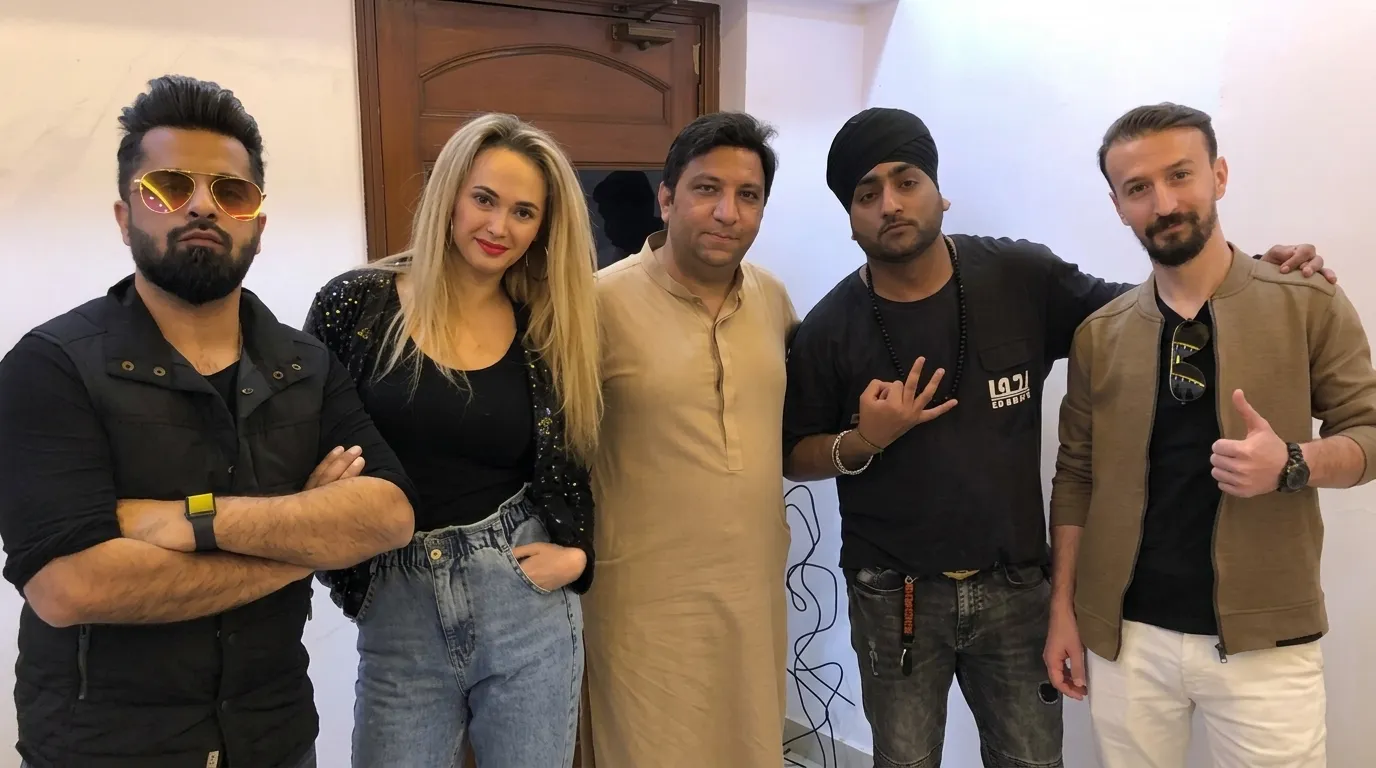
Working Behind the Spotlight
Live entertainment depends on more than the final performance. Artists, venues, technical teams and event organisers have to work within shared schedules, often while adapting to changing requirements.
According to Khan's career account, the work has included facilitating artist bookings and making event-related arrangements involving prominent figures in Pakistan's music industry. The profile mentions names such as Rahat Fateh Ali Khan, Atif Aslam and Ali Zafar in this context. It does not establish that Khan held exclusive management agreements with these performers, and no such claim is made here.
For an organiser, these responsibilities can range from keeping communication clear and coordinating availability to working through production needs and the details that affect an audience's experience. This operational side of the industry forms a consistent thread through Khan's stated career history.
Studio 9 and the Move Towards an Independent Venture
Khan later established Studio 9, which his biography describes as a step towards creating an independent identity within the entertainment business.
Moving from individual assignments to an organised platform represented a change in how he approached his work. Rather than pursuing one opportunity at a time, the aim was to build longer-term relationships with artists, clients and production teams while developing projects under a recognisable business name.
The supplied profile does not give a founding date or a detailed catalogue of Studio 9's productions. Its significance in Khan's narrative is the transition towards managing entertainment work through his own venture.
Roti Home: An Initiative Beyond Events
Khan's supplied account also describes a food-support initiative called Roti Home, established during the COVID-19 period. It was intended to help people facing food insecurity by providing free meals or food assistance.
The initiative adds a community-focused element to a career otherwise centred on artists and events. The profile includes a photograph of Roti Home collection bags encouraging people to put leftover food to use for those in need.
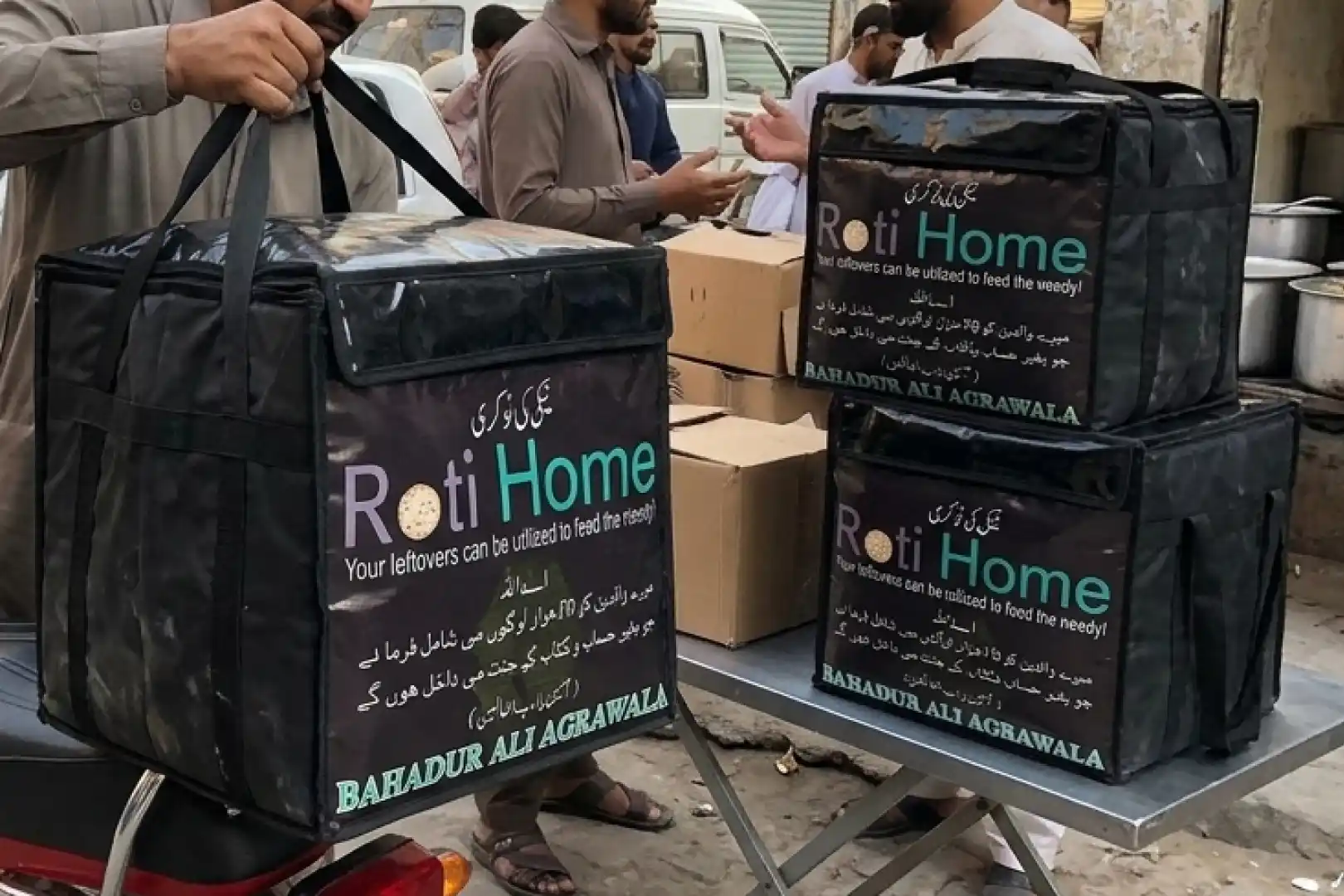
Details such as the initiative's operating period, number of people assisted and present status are not documented in the supplied material. For that reason, its reach and results should not be expressed through unsupported figures or claims.
EMH Entertainment Hub: A New Chapter in 2026
In 2026, Khan introduced EMH Entertainment Hub, a new name in his professional story and the central focus of his current ambitions.
The biography presents EMH as a platform through which he hopes to draw on his experience in entertainment while helping younger people explore their abilities. One stated objective is to create opportunities for Pakistani children and emerging talent to showcase their skills and gain exposure.
That aim connects several parts of Khan's journey: his early attempts to find a place in the industry, his interest in music, his work with event teams and his later move towards independent ventures.
The supplied information outlines EMH's vision but does not identify a confirmed schedule of programmes, auditions or upcoming events. Those plans therefore remain ambitions rather than announced opportunities with verified dates or application arrangements.
Looking Ahead
From visiting studios in search of work to taking on coordination responsibilities, building Studio 9 and introducing EMH Entertainment Hub, Sajjad Khan's account describes a career shaped by gradual changes in direction.
His next chapter will depend on how EMH develops its projects and turns its plans for emerging talent into practical opportunities. For now, the profile offers a view of the less visible work behind live entertainment and the ambitions of someone who has continued to pursue a place within it.
Editorial note: This profile is based on biographical material and photographs supplied for publication. Career milestones, project descriptions and future plans are presented as described in that material unless otherwise stated.