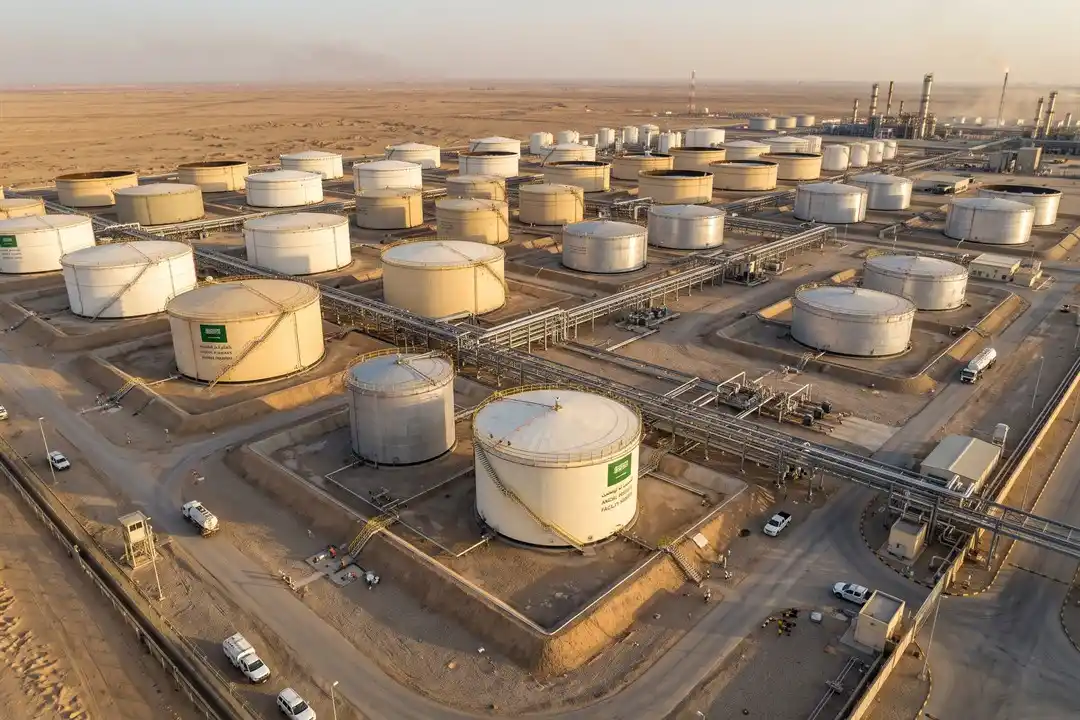
Pakistan’s petroleum minister offered Saudi companies an opportunity to store commercial oil in Pakistan under a tax-neutral bonded-storage policy, Radio Pakistan reported after a meeting with the Saudi ambassador on October 30. The minister also described a separate storage and refining complex planned for Hub, Balochistan, as a proposal.
What had already been approved?
Radio Pakistan reported that the Economic Coordination Committee approved imports of petroleum products on foreign suppliers’ accounts through customs-bonded storage on August 24. Dawn reported at the time that the policy guidelines were subject to formal federal cabinet ratification. The sources reviewed for this draft do not establish whether that ratification followed.
The policy decision predates the October meeting. Dawn, republishing an Associated Press of Pakistan report, said the minister had described a planned bonded-storage scheme involving Saudi Arabia, Kuwait and Qatar on August 9.
What does “tax-neutral” mean?
Dawn reported that the policy’s tax-neutral treatment applies to bonded storage, blending, trading and re-export operations. For domestic sales, applicable taxes fall to the local oil marketing company or refinery when the fuel is released from bond for sale in Pakistan. The term should not be read as meaning that all locally sold fuel is tax-free.
How does Hub fit into the proposal?
Dawn reported that Hub is among the locations covered by the bonded-storage policy. Separately, Radio Pakistan reported that the minister described a proposed Hub storage and refining complex that could accommodate Very Large Crude Carriers. The source material reviewed here describes an offer and a proposed complex; it does not establish a Saudi investment commitment to the Hub project.