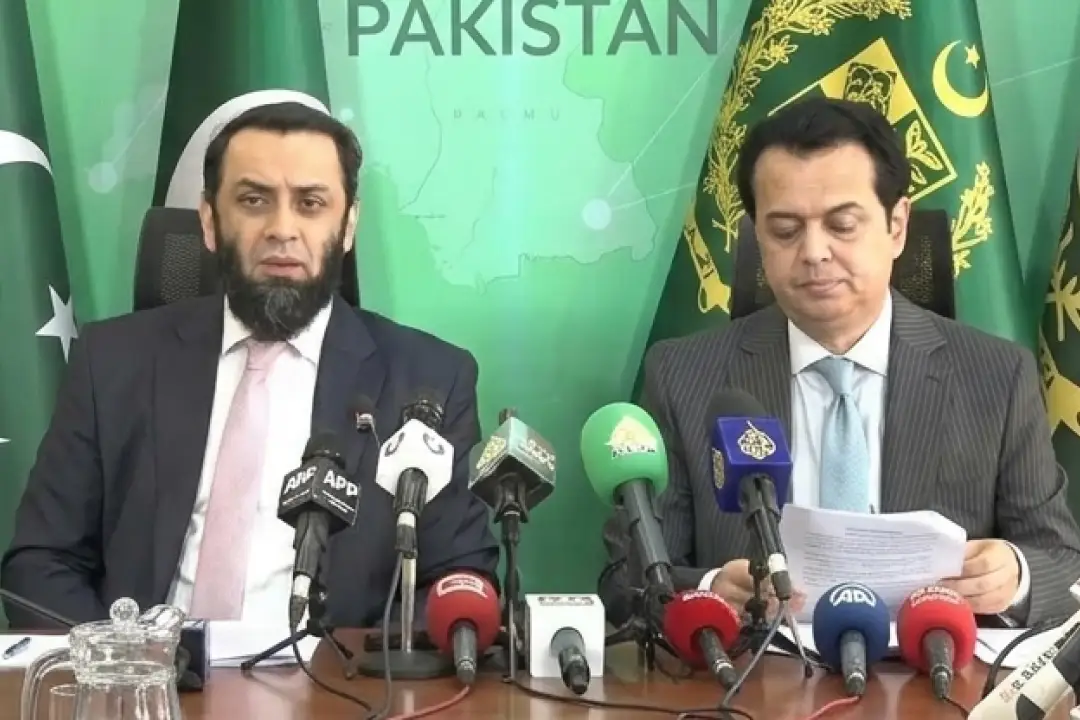

The Pakistan Telecommunication Authority (PTA) has issued nearly 300 district-level Class Licences for internet services, according to PTA officials cited in local media, as the regulator expands a licensing programme designed to bring smaller operators into Pakistan's broadband market.
A significant number of the licences have been issued for districts in Khyber Pakhtunkhwa, according to officials. The programme is intended to encourage local investment and expand internet services beyond major urban centres, particularly in areas where broadband and last-mile connectivity remain limited.
The latest figure represents a sharp expansion of the programme during 2026. PTA documents reported earlier in the year showed that 47 district-level internet licences had been issued by mid-June, including licences for operators in Lahore, Faisalabad, Islamabad, Sargodha, South Waziristan and Lower Chitral.
How the district-level licensing system works
PTA launched the district-level Class Licence framework on January 1, 2026, as part of an effort to encourage local entrepreneurship and increase broadband penetration across Pakistan.
Unlike broader licensing models, the framework allows eligible operators to provide internet services within a specified district. This lowers the entry barrier for smaller and regional providers that may not have the resources required for larger-scale operations.
PTA documents reported in July showed that the first district-level licence was issued in February 2026. The regulator subsequently issued 12 licences in March, 14 in May and 20 in June, taking the documented total at that stage to 47.
Lahore had received seven licences by mid-June, while Faisalabad and Islamabad had received four each. Licences were also issued for operators in areas including South Waziristan and Lower Chitral, demonstrating the programme's focus beyond Pakistan's largest cities.
Licence fees and validity
Each district-level Class Licence is valid for 10 years. Under the framework announced by PTA, applicants must pay a one-time initial licence fee of Rs300,000.
An annual licence fee of Rs100,000 applies for the first year and is payable along with the initial fee before the licence becomes effective. The annual fee is payable in advance in subsequent years and increases by 10% each year.
Reporting on the licensing framework has also identified an application processing fee of Rs20,000.
Operators face rollout requirements
Receiving a licence does not mean that an operator is already providing commercial internet service. Licence holders are required to begin services within the rollout period set under the framework.
Earlier reporting on PTA's licensing requirements said operators must commence services within one year of receiving a licence. They are also required to provide at least 100 broadband connections within one year of obtaining their commencement certificate.
Licensed providers must obtain bandwidth through authorised operators and remain subject to PTA's regulatory and compliance requirements.
What the licences could mean for internet access
The district-level model is intended to make it easier for smaller internet providers to enter local markets, potentially increasing competition and encouraging investment in broadband and fibre infrastructure.
PTA has said the programme is aimed at improving broadband penetration, strengthening digital infrastructure and supporting digital inclusion. Its impact, however, will depend on how quickly newly licensed operators complete their networks and begin providing services.
The reported figure of nearly 300 should therefore be understood as the number of district-level licences issued, rather than the number of districts covered or the number of providers already delivering internet services.
The programme has expanded considerably since the first licences were issued earlier this year. Further details from PTA, including an updated district-by-district list of licensees, would provide a clearer picture of how the latest licences are distributed across Pakistan.