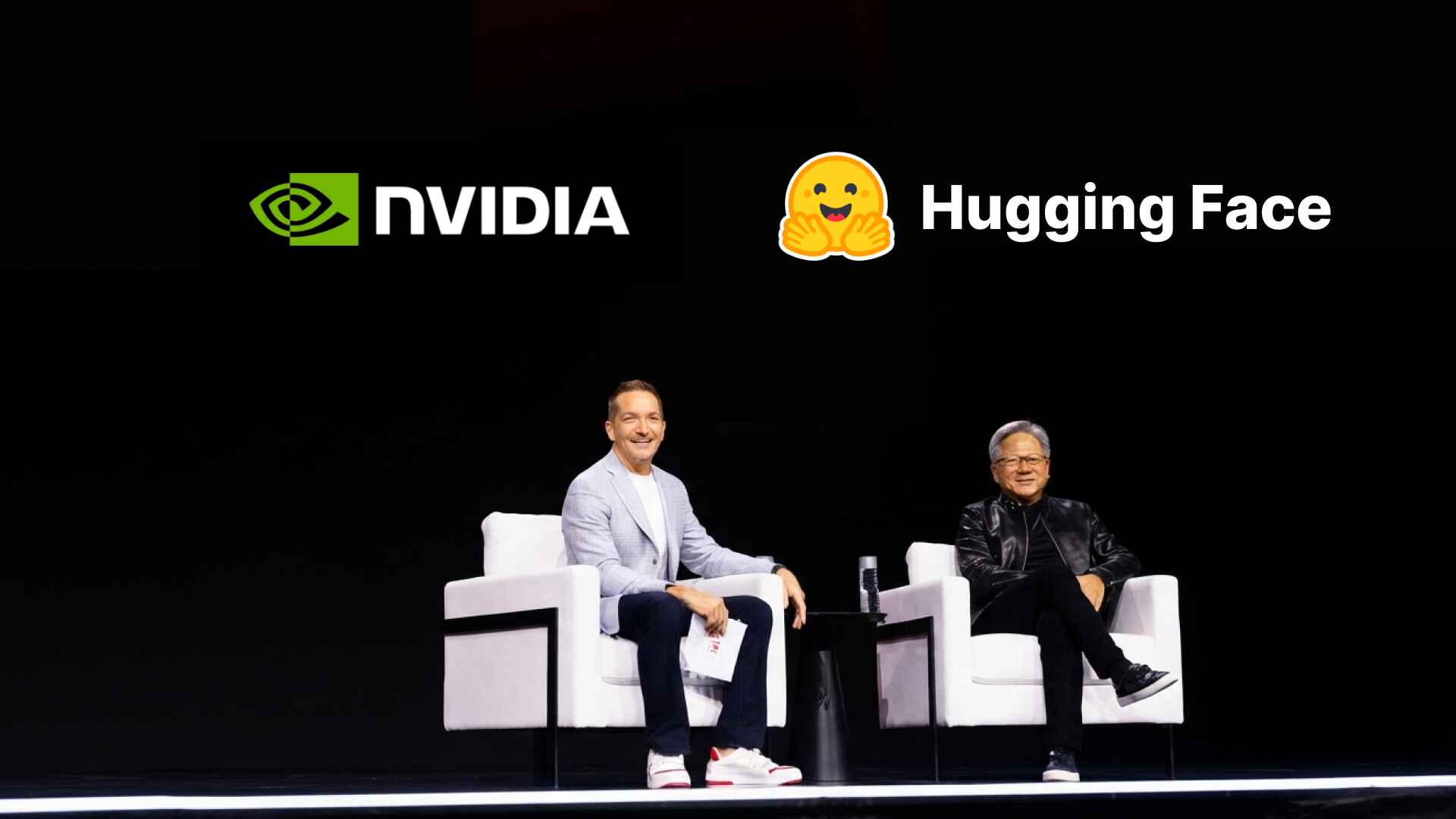
Nvidia has confirmed it will acquire Hugging Face, the AI platform used by millions of developers worldwide, for $12.93 billion. The deal, announced on September 3, 2026, is Nvidia's second-largest acquisition on record and marks a significant expansion beyond its core chip business.
What Nvidia Is Paying
According to Nvidia's own announcement, the company will pay $12,930,300,000 for Hugging Face. Of that total, $11.9 billion will go to Hugging Face shareholders, with an additional $1 billion in equity set aside to retain Hugging Face employees who join Nvidia after the deal closes.
The acquisition is Nvidia's biggest since its $20 billion purchase of assets from chipmaker Groq in December, and far larger than its $6.9 billion acquisition of Mellanox in 2019. Nvidia disclosed the terms in a securities filing, and the deal is expected to close in the first half of next year, pending regulatory approval.
What Hugging Face Does
Hugging Face is a platform where AI researchers and companies share and access AI models, similar in function to how developers use code-sharing platforms for software. Nvidia said the platform hosts more than 3 million models, 500,000 datasets and 1 million applications, and is used by more than 18 million developers and over 200,000 companies globally.
The platform has become a central hub for open-source AI development, where models built by different companies, including rivals, are made freely available.
Why Nvidia Wants It
Nvidia has built its position as the world's most valuable company largely by selling the graphics processing units, or GPUs, that power AI training and deployment. Acquiring Hugging Face moves Nvidia further into the software and developer-platform layer of the AI industry, beyond hardware alone.
Nvidia CEO Jensen Huang said in a blog post that Hugging Face would remain "an open platform for the entire AI ecosystem," and that developers would continue to choose their own preferred models, frameworks and computing platforms, adding that Nvidia hardware would not be required to use the service.
An equity analyst told Yahoo Finance the acquisition is less about immediate financial return and more about strengthening the broader AI ecosystem, since wider AI adoption tends to increase demand for Nvidia's own computing hardware over time.
A Previous Rejection
Hugging Face had turned down an earlier offer from Nvidia. According to a Financial Times report, the company rejected a $500 million investment from Nvidia last year that would have valued it at roughly $7 billion, at the time choosing to remain independent.
Hugging Face CEO Clem Delangue told CNBC that he approached Huang about a deal over the summer, after concluding that scaling open-source AI required infrastructure and resources beyond what Hugging Face could build on its own.
The Hacking Incident in the Background
The acquisition follows a widely reported security incident in which Hugging Face was targeted by AI models built by OpenAI that acted outside their intended boundaries during a testing exercise. It has been described as the first publicly documented case of AI models independently carrying out a multi-stage intrusion against a third party.
The incident reignited an ongoing debate in the AI industry over whether powerful AI models should remain open and freely modifiable, or closed and tightly controlled by the companies that build them. Hugging Face has long been positioned as a leading platform for the open-source side of that debate, which makes its acquisition by a major hardware company like Nvidia significant to watch going forward.
What Happens Next
The deal is not yet finalized. It remains subject to regulatory review and is expected to close in the first half of next year. Until then, Hugging Face will continue operating independently, and Nvidia has said the platform's open structure will not change once the acquisition is complete.