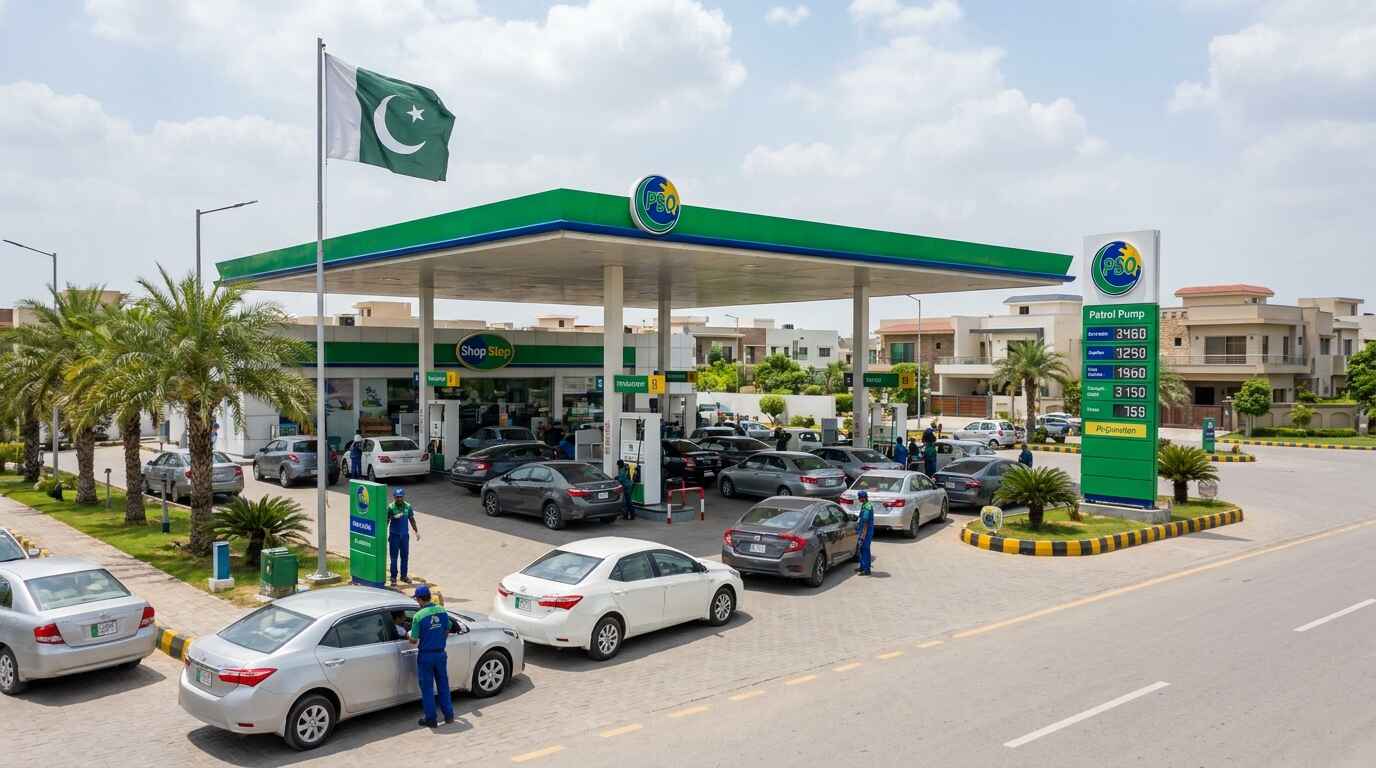
Petrol and diesel prices in Pakistan went up again on Wednesday, September 9, marking the second increase in two days, as international oil prices climbed toward the $100 a barrel mark amid escalating military tensions between the United States and Iran.
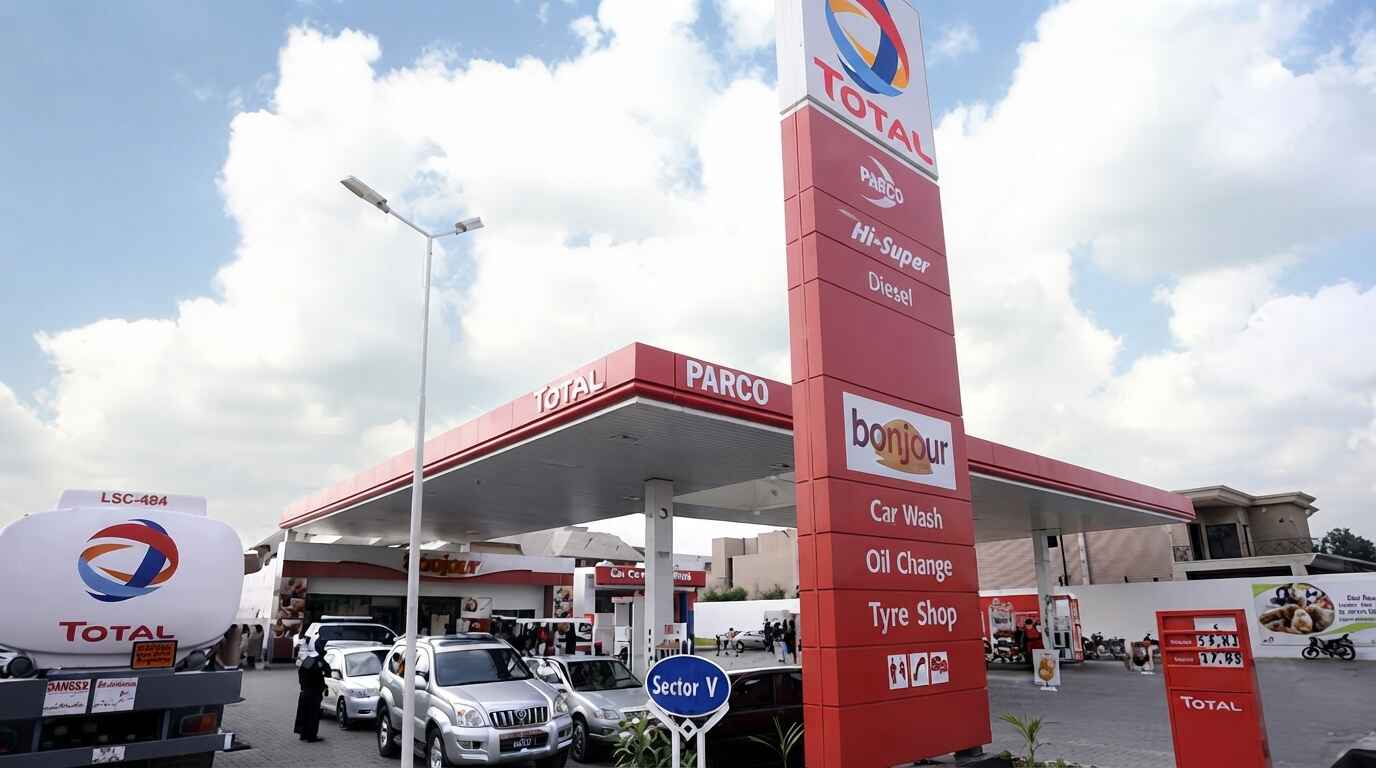
According to a notification issued by the Ministry of Energy's Petroleum Division, the price of petrol was raised by Rs5.58 per litre, from Rs358.77 to Rs364.35 per litre. High Speed Diesel (HSD) rose by Rs4.18 per litre, from Rs381.77 to Rs385.95 per litre. Both revisions took effect on September 9.
This came a day after petrol had already risen by Rs12.90 per litre and diesel by Rs3.72 per litre on September 8. Taken together, petrol prices in Pakistan have increased by more than Rs18 per litre in just two days.
A New Way Pakistan Prices Fuel
The back to back hikes coincide with a change in how Pakistan sets fuel prices. The federal cabinet has approved a shift from the previous fortnightly review to a daily pricing mechanism, under which the Oil and Gas Regulatory Authority (OGRA) will calculate and publish ex depot prices for petrol and diesel based on a rolling seven day average of international market prices.
Petroleum Minister Ali Pervaiz Malik said the new seven day average approach brings Pakistan's pricing system closer to international practice and allows changes in global oil prices to reach consumers more quickly. OGRA has also begun publishing daily reference prices on its website as part of the same transparency push.
Officials have linked the timing of the new mechanism directly to volatility in global oil markets caused by renewed hostilities in the Middle East.
Why Oil Prices Are Climbing
Brent crude, the global benchmark, briefly topped $99 a barrel this week, touching a six week high and standing close to 40 percent above levels recorded before the outbreak of the war between the United States and Iran in February 2026.
The renewed rise follows a fresh round of direct confrontation between the two sides. Iran's Supreme National Security Council Secretary, Mohsen Rezaei, said on social media platform X that "the operational posture toward US warships and bases has been fundamentally recalibrated." Iranian state media reported that Iran had fired an advanced ballistic missile, described as the Qassem Basir, at US Navy warships near the Strait of Hormuz. The US military said its warships evaded any missile attacks.
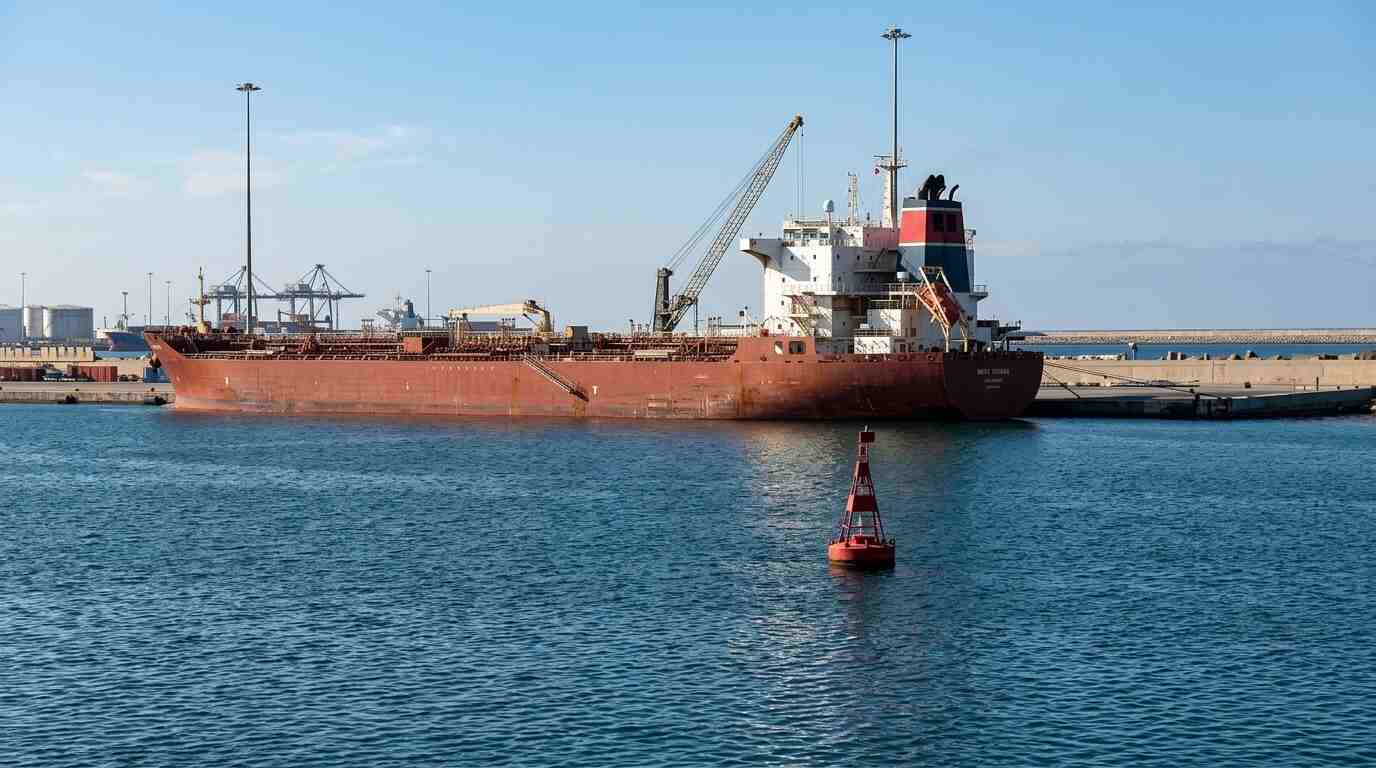
US Central Command said its forces have stepped up enforcement of a naval blockade against Iran, redirecting and boarding dozens of commercial vessels in the Arabian Sea as part of the ongoing pressure campaign.
The Standoff Over the Strait of Hormuz
Rezaei has also said Iran plans to establish a new restricted maritime zone outside the Strait of Hormuz in the coming days, potentially extending into parts of the Persian Gulf, and has warned that vessels entering the area could be placed on an Iranian sanctions list.
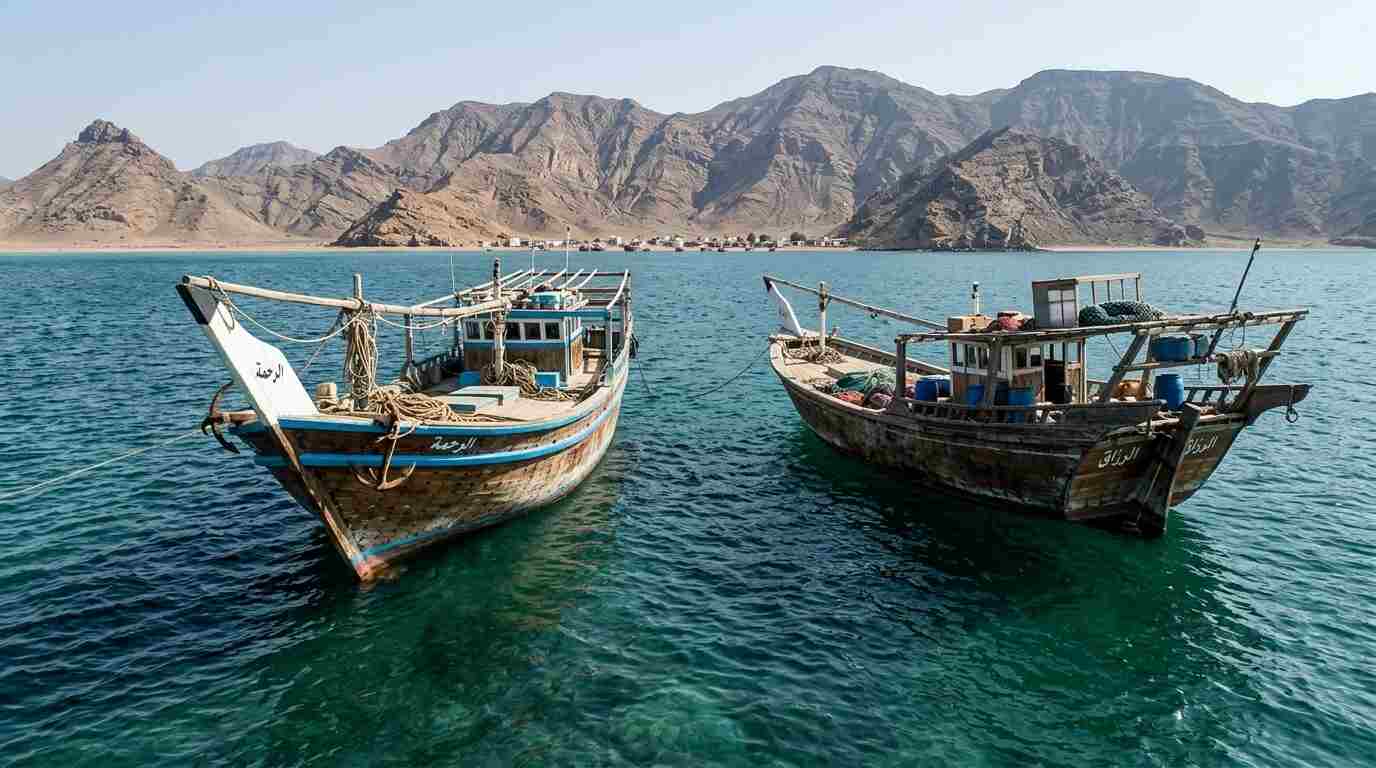
Despite the threats, shipping data cited by market trackers suggests that roughly seven million barrels a day of crude and refined products are still passing through the Strait of Hormuz, a corridor that carries a significant share of the world's traded oil and gas.
What It Means for Pakistan
Pakistan imports the bulk of the crude oil and refined fuel it consumes, which means sustained increases in international prices generally translate into higher pump prices for consumers. The government's new daily pricing mechanism is designed to pass on both increases and decreases in global prices more quickly than the previous fortnightly system.
With Brent still short of $100 a barrel and the Gulf standoff unresolved, further movement in Pakistan's petrol and diesel prices in the coming days will depend largely on how the confrontation between Washington and Tehran develops, and whether shipping through the Strait of Hormuz continues without major disruption.