The Central Bank of the United Arab Emirates has ordered an urgent forensic examination of Banque Misr's branches in the country, a day after the US Treasury Department moved to cut the Egyptian state bank's UAE operations off from the American financial system over allegations it helped Iran's government access US dollars and evade sanctions.
What happened
The US Treasury's Financial Crimes Enforcement Network (FinCEN) said on Friday, August 28, that it was proposing a rule to designate Banque Misr's UAE branches as a financial institution of "primary money laundering concern," which would revoke the branches' correspondent banking access to US financial institutions. American banks would also be required to take reasonable steps to avoid processing transactions connected to the branches. The rule is a proposal, not an immediate sanction - it faces a 30-day public comment period before it can take effect.
On the same day, the Treasury's Office of Foreign Assets Control separately sanctioned Reza Mohammad Taeedi, the regional manager of Bank Melli's Dubai branch, and blacklisted Kameng Trading Ltd., a Hong Kong-registered firm the department accused of laundering money for an Iranian exchange house.
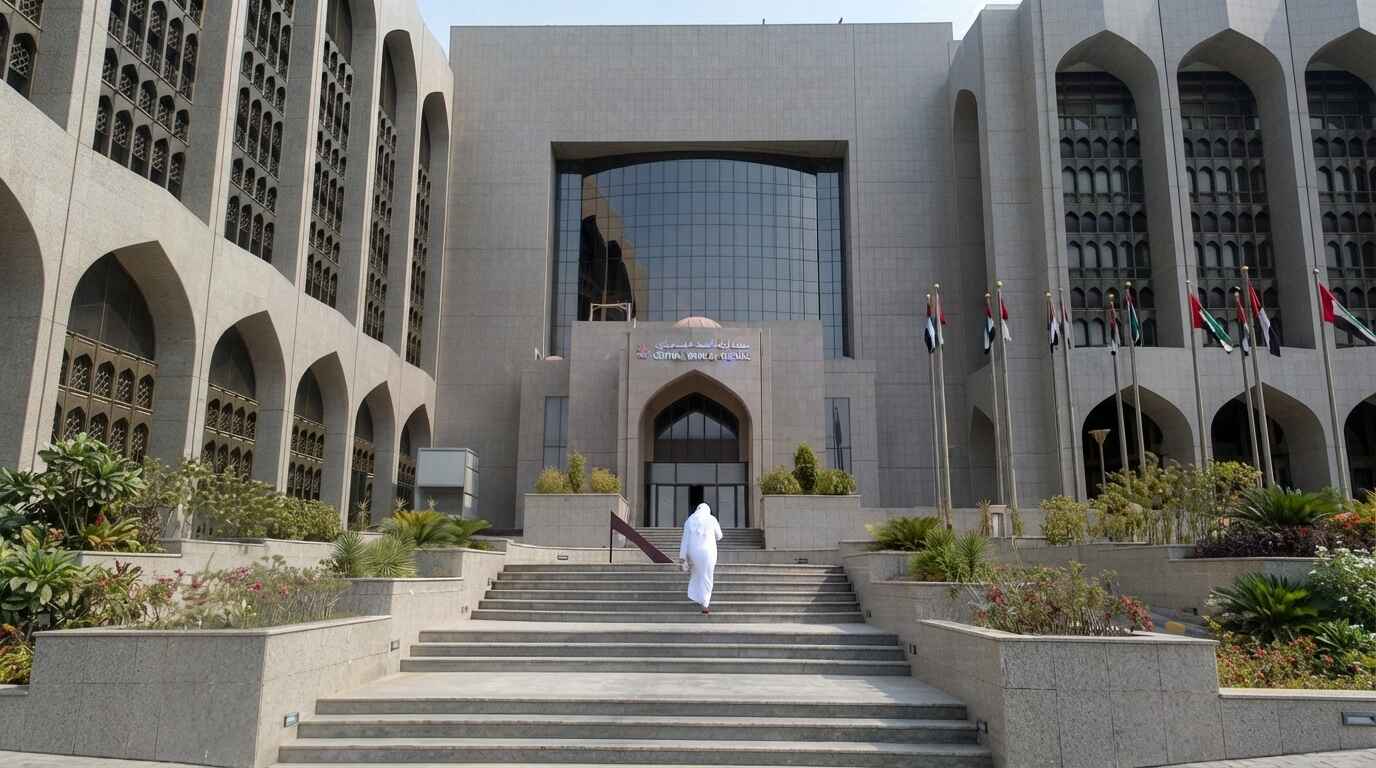
The UAE central bank responded on Saturday, saying it had decided to conduct what it called a special and urgent examination of Banque Misr's UAE branches, including a forensic lookback covering the same period cited in the US Treasury's statement.
Key details
Treasury said that between January 2024 and June 2026, Banque Misr's UAE branches processed roughly $1.8 billion for 103 companies it believes were linked to Iranian "shadow banking" networks. According to the department, those networks allegedly included front companies tied to Iran's Ministry of Defense and the Islamic Revolutionary Guard Corps, used to evade sanctions, procure weapons, finance Iran-aligned proxy groups, and move money benefiting Iran's Supreme Leader.
Banque Misr, Egypt's second-largest bank, is state-owned and headquartered in Cairo; its UAE branches have operated since 1974, originally set up to support trade flows between the two countries and serve Egyptian expatriates in the Gulf.
What officials said
Treasury Secretary Scott Bessent framed the move as part of a wider campaign, describing it as the first step in holding the bank accountable for its support of Iran. He said countries would be given a window to shift away from financial dealings with Iran before facing tougher consequences, and is due to press the issue with counterparts at the G20 finance ministers' meetings next week.
The UAE central bank, in its statement, stressed that Banque Misr's local branches remain subject to UAE law and that banks licensed in the country are expected not to expose the UAE's financial system to reputational risk. It said it was studying options regarding the branches' status depending on how the US process concludes, while noting it would take account of the bank's obligations to its UAE customers.
The Central Bank of Egypt said the US measure is limited strictly to Banque Misr's UAE branches and their dollar transfers, and does not extend to any other Egyptian bank or to Banque Misr's operations inside Egypt or elsewhere abroad.
Why it matters
"The action is part of Operation Economic Outcast, the Trump administration's campaign - led by Bessent - to sever Iran's remaining financial links to the outside world in the aftermath of [the 2026 Iran war], in which Iran's longtime Supreme Leader Ali Khamenei was killed and succeeded by his son, Mojtaba Khamenei. By proposing a targeted rule against Banque Misr's UAE branches rather than sanctioning the bank outright, Washington signaled it wants to avoid a wider rupture with major economies that maintain financial and trade ties with Iran, including China and India.
For the UAE, the episode puts its banking regulator in the position of policing a foreign state bank's branches on its own soil to protect the country's broader financial reputation, while leaving open whether Banque Misr's UAE operations can continue functioning normally for local customers if the US rule takes effect.
What happens next
The FinCEN rule now enters its 30-day public comment period. The UAE central bank's forensic review is ongoing, and it has not set a public timeline for its findings or for any decision on Banque Misr UAE's status. Bessent is expected to raise the broader sanctions campaign with other governments at the G20 finance ministers' meetings in the coming week.