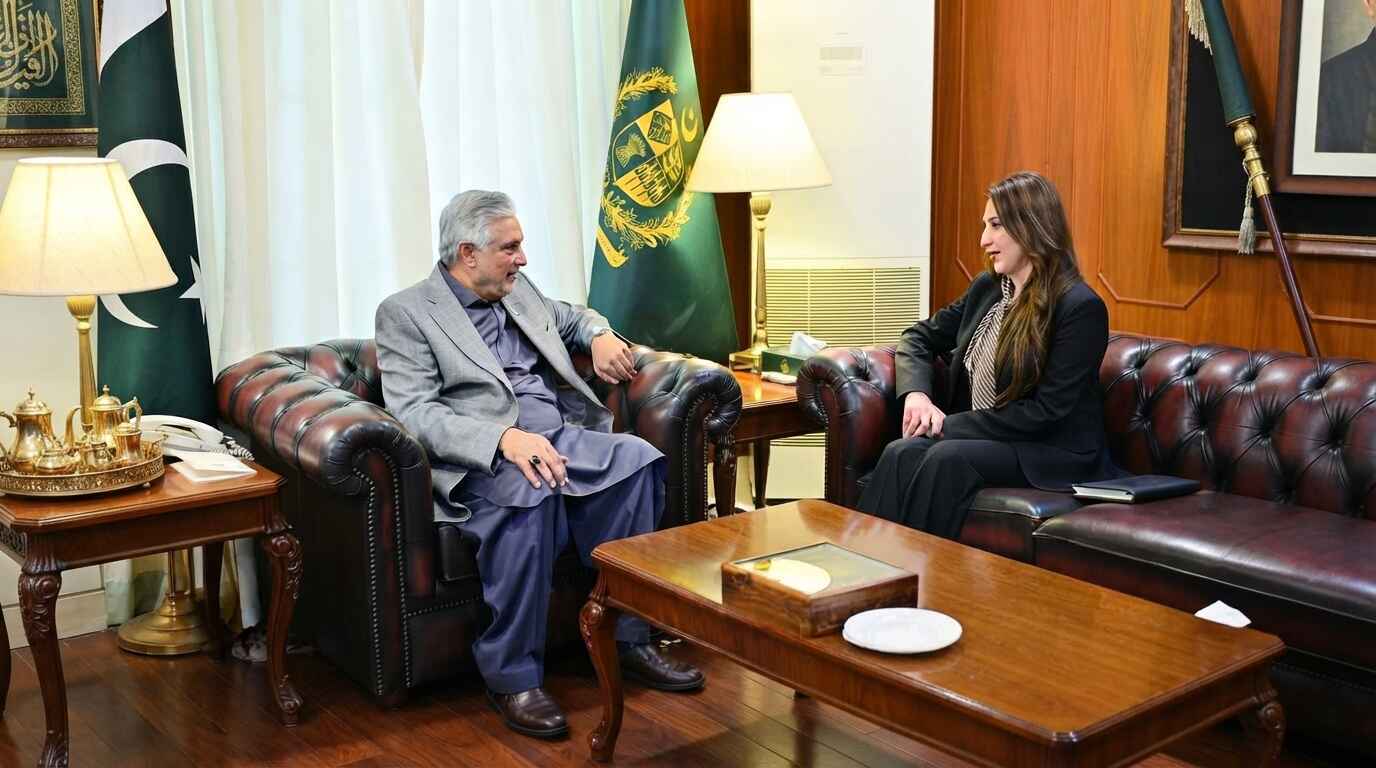
Pakistan's Deputy Prime Minister and Foreign Minister Ishaq Dar met US Charge d'Affaires Natalie A. Baker in Islamabad on September 15, urging full implementation of the Islamabad Memorandum of Understanding reached on June 18 as the only viable path to ending the US-Iran conflict.
According to Foreign Office spokesperson Sajjad Haider Khan, the meeting focused on Pakistan-US bilateral cooperation and the prevailing regional situation. Dar stressed the importance of dialogue and diplomacy in achieving lasting peace and welcomed what he described as the positive trajectory of Pakistan-US relations.
Why the June Agreement Matters
The Islamabad MoU, reached on June 18 after Pakistan brokered a series of talks between American and Iranian officials in the capital, has become the reference point Pakistani officials keep returning to whenever US-Iran diplomacy stalls. Dar made the same call in a separate meeting with Baker roughly a month earlier, in mid-August, when he described the MoU's implementation "in letter and spirit" as the only way forward, according to the Foreign Office.
Pakistan's push to keep both sides anchored to that agreement comes as its broader mediation effort has struggled to produce a lasting breakthrough. An earlier round of direct talks in Islamabad in April, led by then-Vice President JD Vance for Washington, ended without an agreement after 21 hours of negotiations, with Vance telling reporters at the time that Iran had refused to accept US terms.
Pakistan's Continued Role as Mediator
Since the conflict began in February, Pakistan has positioned itself as a central intermediary, hosting multiple rounds of talks and coordinating with regional partners. Army Chief Field Marshal Asim Munir travelled to Tehran earlier this month as part of that effort, with discussions there focused on reopening the Strait of Hormuz, easing the military stalemate and exploring a negotiated settlement, according to the Foreign Office.
Dar's meeting with Baker also touched on Pakistan's upcoming role at the United Nations, with Prime Minister Shehbaz Sharif set to lead Pakistan's delegation to the 81st session of the UN General Assembly.
Where Things Stand
Despite Pakistan's repeated diplomatic outreach, the underlying conflict remains unresolved, with the Foreign Office itself describing the situation as a "stalemate" in efforts to secure a lasting end to hostilities. Whether renewed pressure from Islamabad translates into fresh talks between Washington and Tehran remains to be seen, particularly as fighting in the Gulf has continued to escalate in recent days.