Pakistan is still feeling the economic effects of the Strait of Hormuz disruption through fuel prices, electricity costs and inflation, even as some Gulf energy shipments recover. Brent crude settled at $105.28 a barrel on 28 September 2026 after US President Donald Trump rejected Iran's proposal tied to reopening the strait. By 29 September, oil prices were rising again as markets weighed continuing supply risks against renewed diplomatic contacts.
The effects inside Pakistan do not move in a straight line with the daily Brent price. Petrol and diesel prices are revised frequently, electricity fuel charges arrive with a lag, and inflation reflects energy costs alongside many other factors. The figures below are therefore tied to specific dates rather than presented as a single measure of the conflict's economic impact.
Where the Hormuz standoff stands
Iran presented a proposal during the UN General Assembly under which it would reopen the Strait of Hormuz and resume nuclear negotiations in return for a broader set of US steps. Reuters reported that the proposal included ending hostilities, releasing frozen Iranian assets, lifting sanctions and the blockade, alongside conditions concerning Iran's nuclear programme.
Trump rejected the proposal, but diplomatic contacts did not end. Reuters reported on 29 September that US and Iranian officials were continuing separate contacts through mediators over an amended version of the plan. Iranian Foreign Minister Abbas Araghchi was awaiting a US response through the mediation channel. The negotiations therefore remained active, but no settlement had been announced.
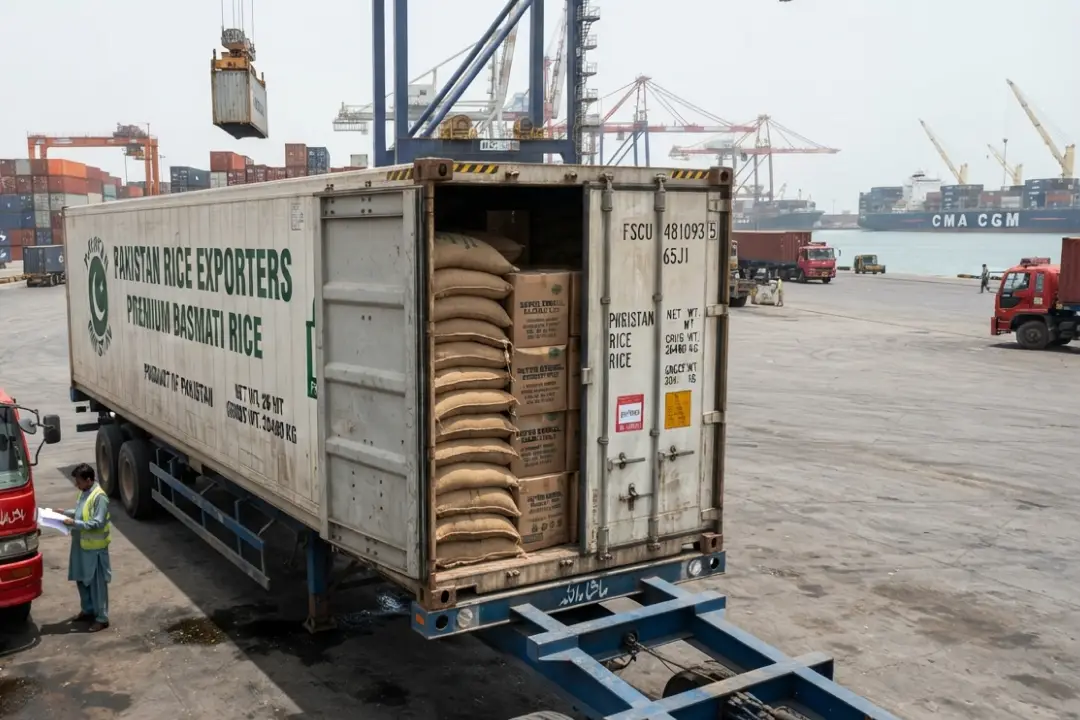
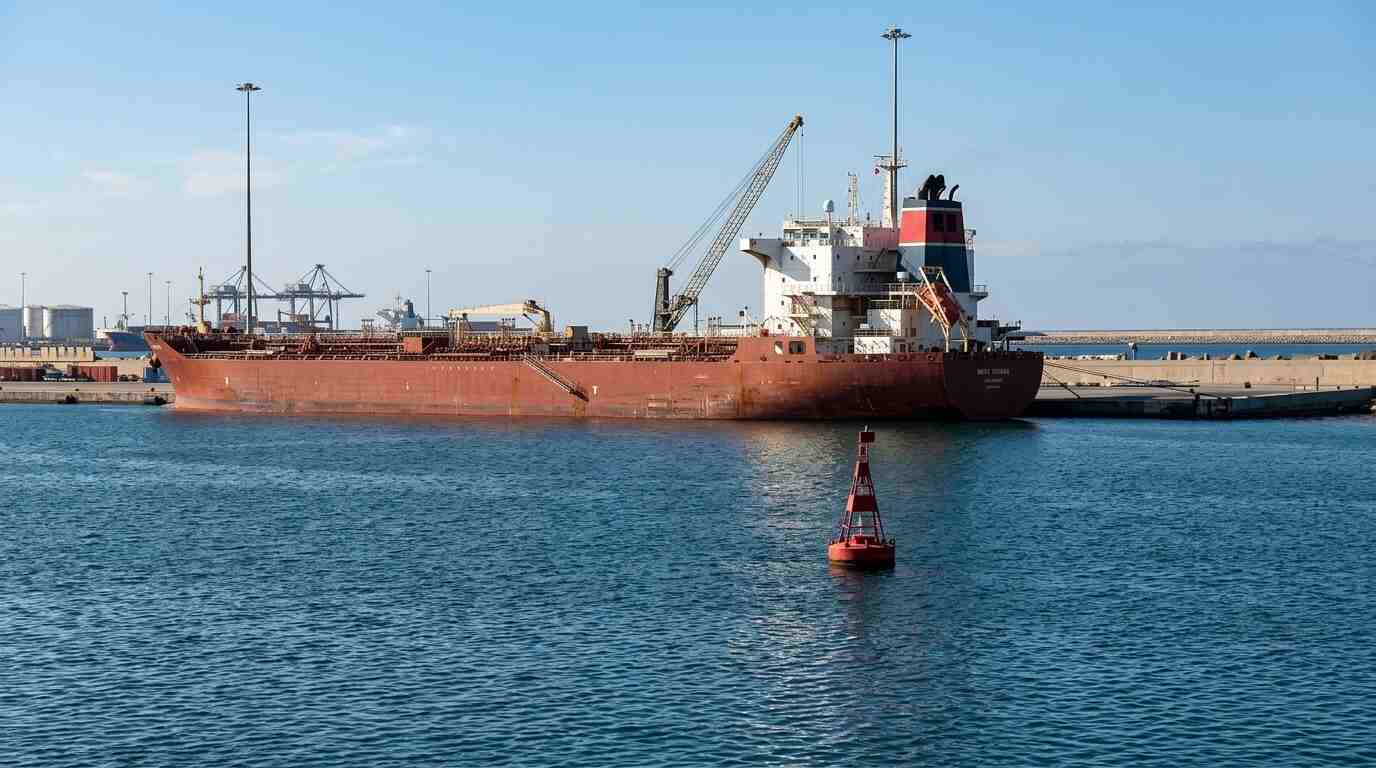
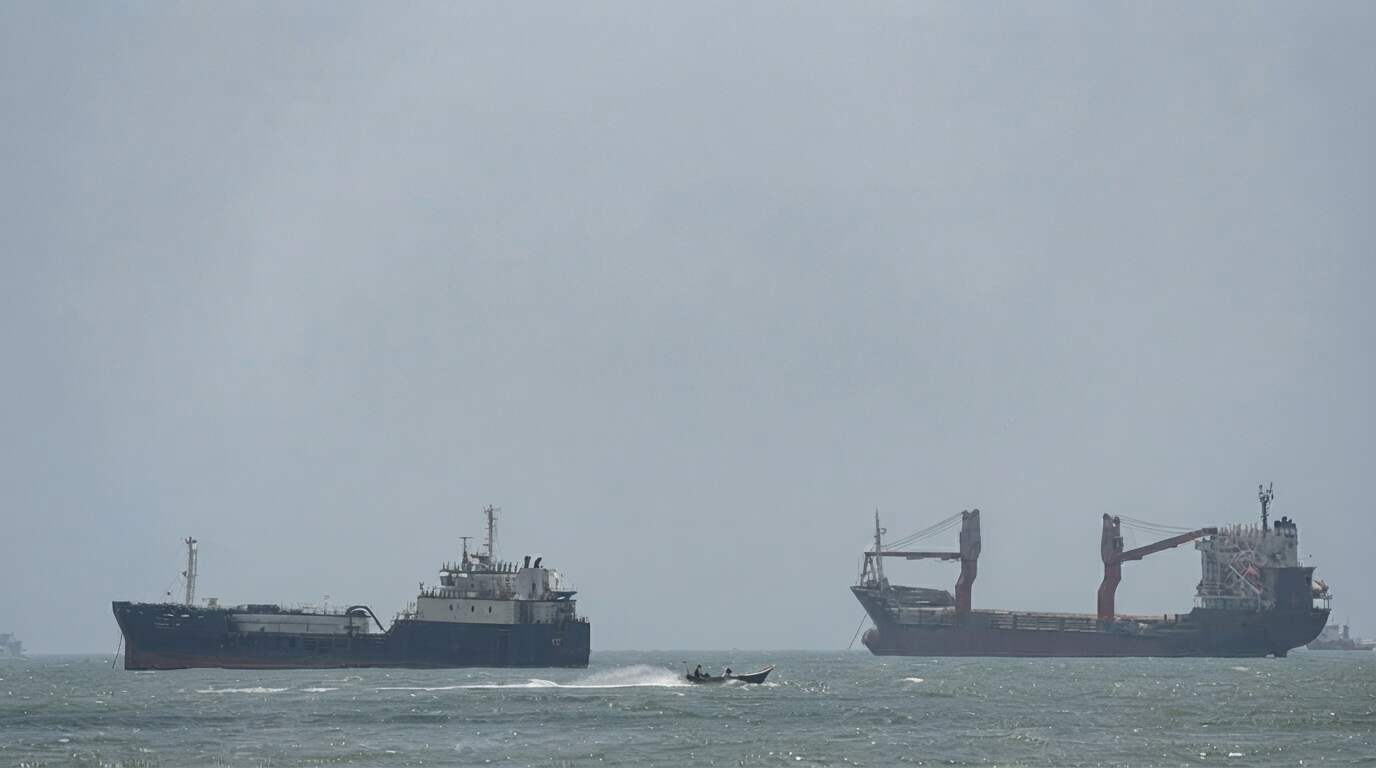
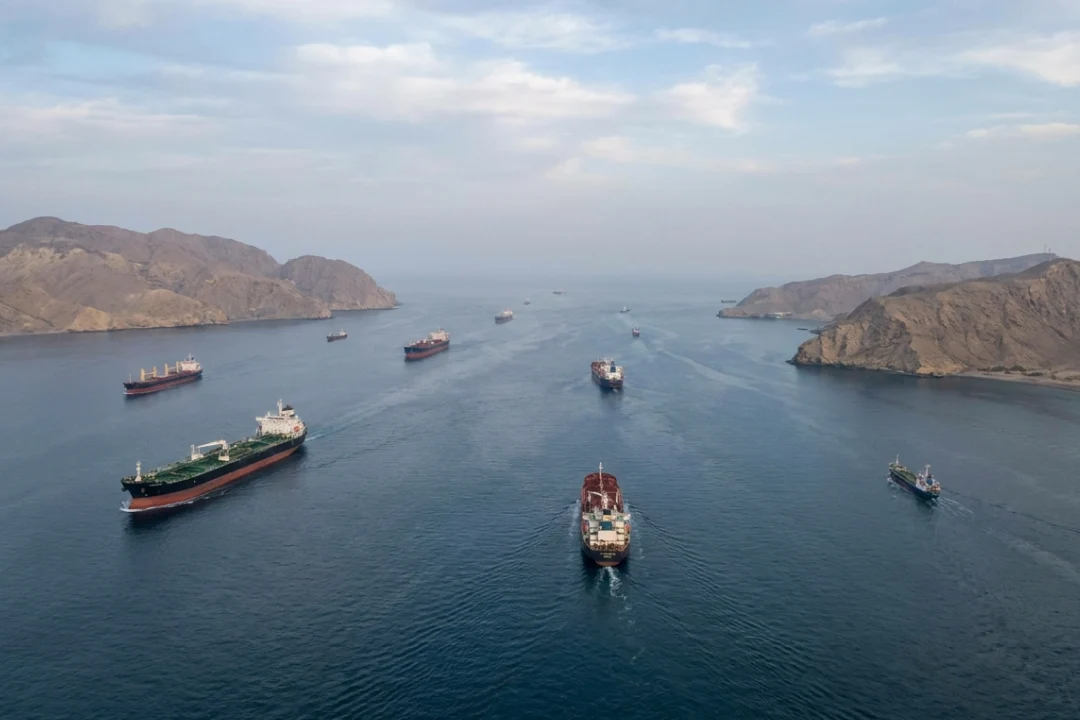
The Strait of Hormuz is not completely closed. Before the conflict, the waterway handled roughly a fifth of global oil flows and was also critical to LNG exports from Qatar. Traffic fell sharply after the conflict began but has since partially recovered.
Reuters reported, using Kpler data, that crude flows through the strait were running at about 9.7 million barrels a day in September. That remained well below pre-conflict levels. Separate Reuters reporting put total Middle East crude exports at about 16.3 million barrels a day in September, their highest level since the conflict began but still below February levels.
These figures measure different parts of regional oil movements and should not be treated as interchangeable. Tanker estimates can also change as tracking data is updated, particularly when vessels operate without continuously transmitting their positions.
From Brent crude to Pakistan's petrol pumps
Brent crude climbed as high as $108.83 on 28 September before settling at $105.28 a barrel as markets reacted to Trump's rejection of Iran's proposal and the prospect of further mediated talks.
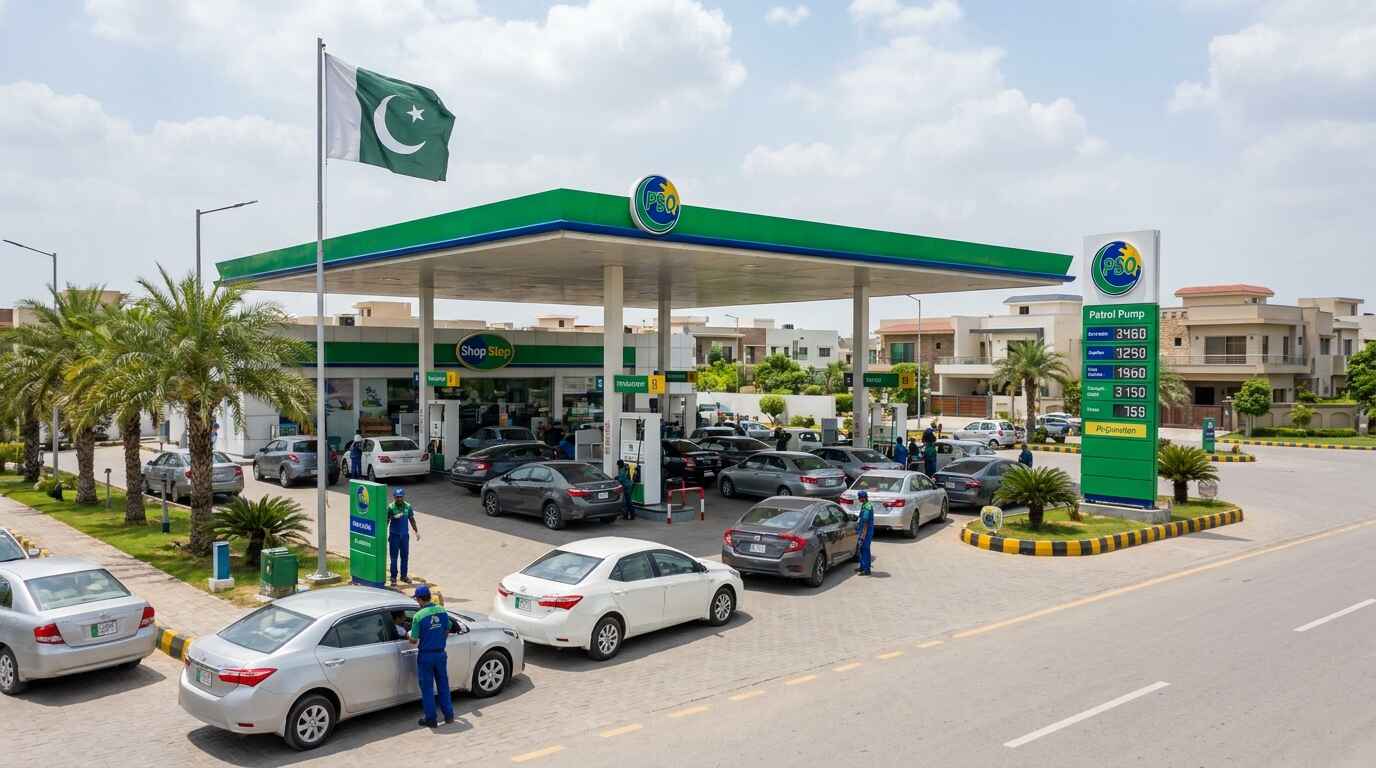
Pakistan's petroleum prices now change much more frequently than under the previous fortnightly system. Petroleum Minister Ali Pervaiz Malik has said the revised mechanism uses a seven-day average of international prices.
Effective 29 September, petrol was reduced by Rs2.27 to Rs389.03 a litre, while high-speed diesel was cut by Rs3.56 to Rs404.97 a litre.
Because individual daily prices can quickly become outdated, three reference points better show how large the wartime movement has been.
| Point in time | Petrol (Rs per litre) | Diesel (Rs per litre) | Basis |
|---|---|---|---|
| Before the first wartime increase (early March) | About 266 | About 281 | Reported levels before the 6 March increase |
| Early April peak | 458.41 | 520.35 | Reported record highs effective in early April |
| 29 September 2026 | 389.03 | 404.97 | Latest reported government prices |
Using those reference figures, petrol on 29 September was about 46 per cent above its reported pre-increase level, while diesel was about 44 per cent higher. Both remained below their early-April peaks.
The retail price is not determined by crude oil alone. Government levies, duties, freight and exchange-rate effects also contribute to the final price. September price notifications reported an Rs80-per-litre petroleum levy on petrol and diesel plus a Rs5 climate support levy, with other duties and charges treated separately.
The electricity-bill channel
Energy-market disruption also reaches households through electricity fuel charges, although with a delay. Pakistan's monthly fuel charges adjustment reflects the difference between the fuel cost built into the reference tariff and the cost actually incurred in generating electricity.
For July, the Central Power Purchasing Agency-Guaranteed (CPPA-G) reported an actual fuel cost of Rs9.6112 per unit against a reference cost of Rs7.0929. It initially sought an adjustment of about Rs2.52 per unit. Consumers were subsequently charged Rs2.06 per unit for July following NEPRA's decision.
The July filing also showed how expensive imported gas had become. The reported cost of RLNG-fired generation rose to Rs47.38 per unit from Rs22.03 a year earlier, even as electricity generation from RLNG plants declined.
For August, CPPA-G requested an increase of Rs1.7267 per unit, based on an actual fuel cost of Rs8.8265 per unit against a reference of Rs7.0998. NEPRA scheduled a hearing on the request for 29 September.
Until NEPRA issues and publishes its determination, the Rs1.7267 figure should be treated as CPPA-G's requested adjustment rather than a final charge.
Why LNG matters to Pakistan
The connection between the Gulf conflict and Pakistan's electricity system runs partly through liquefied natural gas.
Qatar is one of the world's largest LNG exporters and a major long-term supplier to Pakistan. Disruption to Gulf shipping reduced the availability of Qatari cargoes and contributed to higher international gas prices. Pakistan also turned to more expensive spot cargoes during periods when contracted supply was disrupted.
Reuters reported in late September that Qatar-linked LNG traffic through the Strait of Hormuz had begun to increase again, with several QatarEnergy-linked vessels making visible transits. The recovery does not mean that the earlier disruption has disappeared from Pakistan's energy costs, because imported fuel prices feed into the system with a lag.
September nevertheless brought some relief. Reported OGRA figures showed RLNG prices falling by roughly 20 per cent after cheaper Qatari cargoes arrived. Distribution-stage prices fell to around $15.20 per mmBtu for the Sui Northern system and $14.22 for Sui Southern. The reported average delivered cargo price declined to $10.06 in September from $12.12 in August and $18.96 in July.
What has happened to inflation?
The Pakistan Bureau of Statistics reported headline CPI inflation of 11.1 per cent year on year in August 2026, compared with 9.2 per cent in July and 3.1 per cent in August 2025. On a month-on-month basis, CPI increased by 1.2 per cent.
Energy is an important part of that acceleration, but the entire inflation rate should not be attributed to the Hormuz conflict.
The State Bank of Pakistan's August Monetary Policy Report said inflation averaged 10.2 per cent between March and June, compared with 5.5 per cent between July and February. Citing PBS data, it reported cumulative increases from the start of the conflict to June of 36.4 per cent for petrol, 30.5 per cent for diesel and 29.9 per cent for transport fares.
The SBP said higher transport costs had begun feeding into some core goods and services, including clothing, hospitality, rents and education, while core inflation remained around 8 per cent.
The central bank raised its policy rate by 100 basis points to 11.5 per cent in April. It subsequently held the rate in June, July and again on 14 September. The September Monetary Policy Committee decision kept the policy rate at 11.5 per cent as policymakers continued to assess inflation and conflict-related risks.
What the SBP assumed — and what it did not predict
The SBP's August report assumed an average oil price of $80 a barrel for the 2026-27 fiscal year, compared with $67 in its January assumptions. It also assumed that conflict-related disruption would gradually ease during the second half of the fiscal year.
Under those assumptions, the central bank projected average inflation of 5.5 to 7.5 per cent for the fiscal year, moving towards the upper end of its medium-term target range by year-end.
That projection should not be read as a prediction that oil will remain at $80 or that inflation will necessarily follow that path. The report's analysis was based on information available up to 24 July, before the September escalation.
The SBP's oil-price assumption is also based on a weighted benchmark rather than Brent alone, so Brent's $105.28 settlement on 28 September is not a direct like-for-like comparison. The central bank itself identified a longer or broader conflict as an important near-term risk that could push energy prices above its assumptions.
What the numbers show
Pakistan's exposure to the Hormuz disruption is visible, but no single number captures it. Petrol and diesel remain far above their reported pre-conflict levels even after falling from April peaks. Imported gas costs have fed into electricity fuel adjustments. Headline inflation reached 11.1 per cent in August, while the SBP has kept monetary policy tight.
At the same time, some pressure has eased. Gulf crude shipments have recovered from their earlier lows, Qatar-linked LNG traffic has increased, Pakistan's September RLNG prices fell, and petrol and diesel were both reduced on 29 September.
That makes the direction of the next move dependent on several variables rather than the Strait of Hormuz alone: the duration of the conflict, actual shipping volumes, global crude and LNG prices, Pakistan's exchange rate, government taxes and levies, and the outcome of diplomatic negotiations.
What is still unknown
- Whether the latest US-Iran contacts through mediators will produce an agreement.
- Whether Iran will reopen the Strait of Hormuz more fully and how quickly shipping volumes would recover.
- NEPRA's final determination on CPPA-G's requested August fuel charges adjustment.
- Pakistan's September CPI inflation, which had not yet been published at the time of this update.
- How long elevated international oil and LNG prices will persist.
For Pakistani households, the important point is that the shock does not end the day oil prices fall. Fuel-price revisions can respond relatively quickly, but electricity adjustments and broader inflation work through the economy with different lags. The September recovery in some Gulf energy flows is therefore encouraging, but it is too early to conclude that the pressure on Pakistan's fuel, power and inflation outlook has ended.