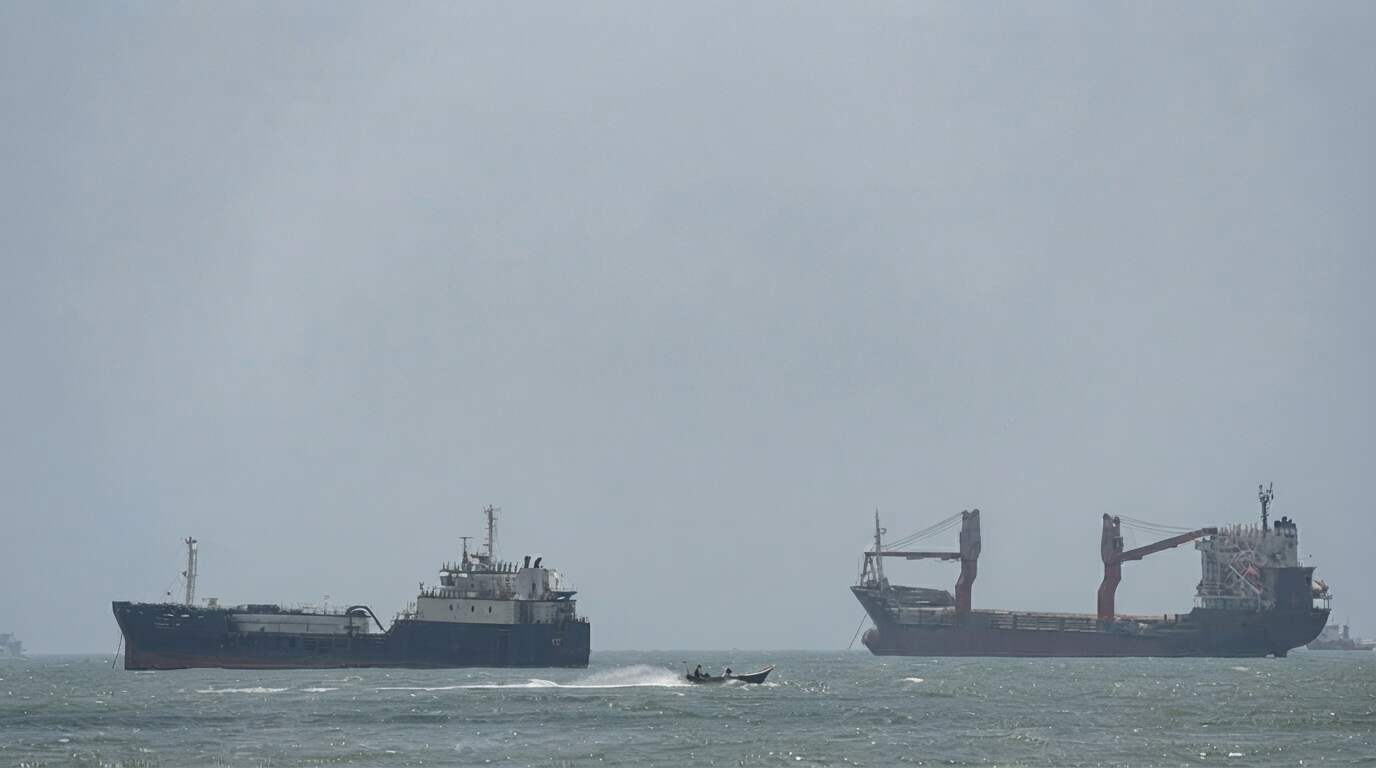
Iran will not reopen the Strait of Hormuz until the United States fulfils its commitments, Deputy Foreign Minister Kazem Gharibabadi said on Sunday, even as Tehran confirmed it has reached an understanding with Oman on arrangements for vessels to pass through the strategic waterway.
What Gharibabadi said
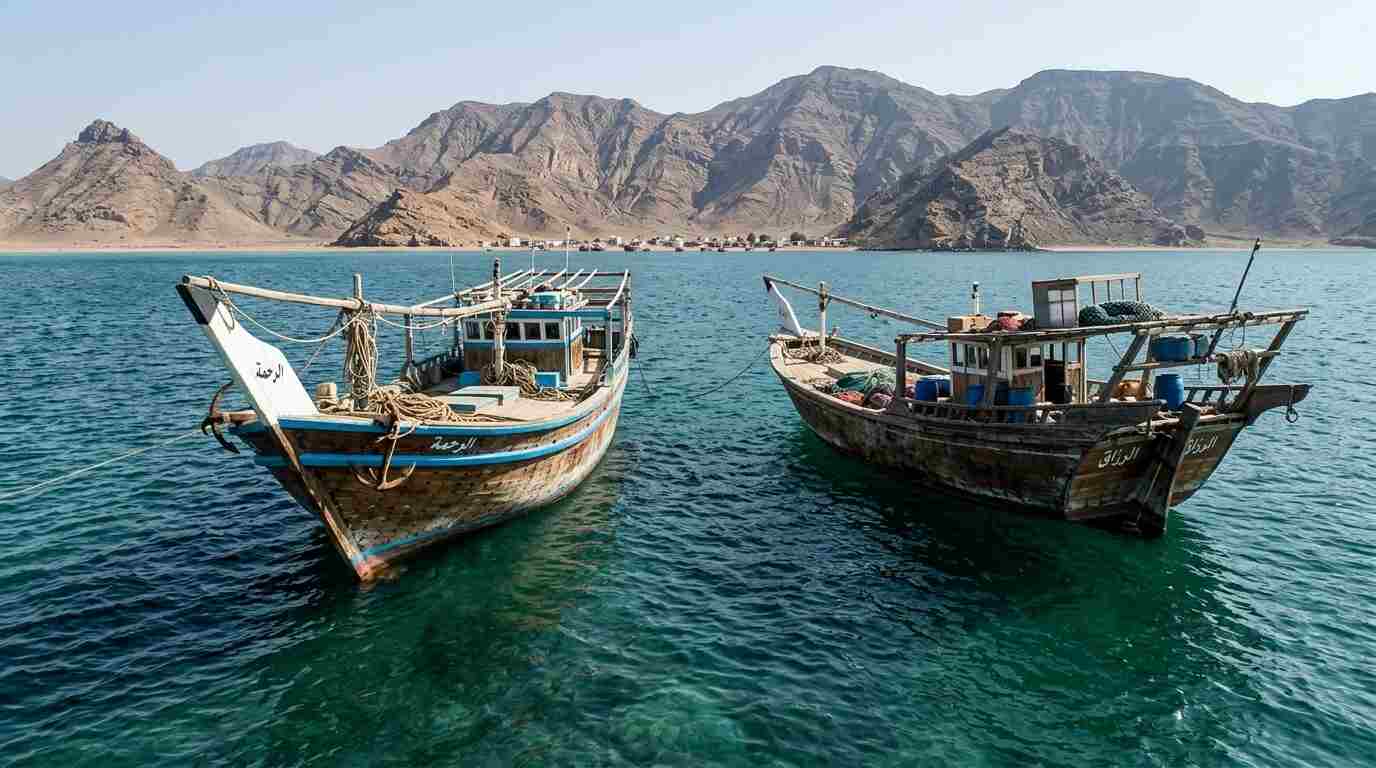
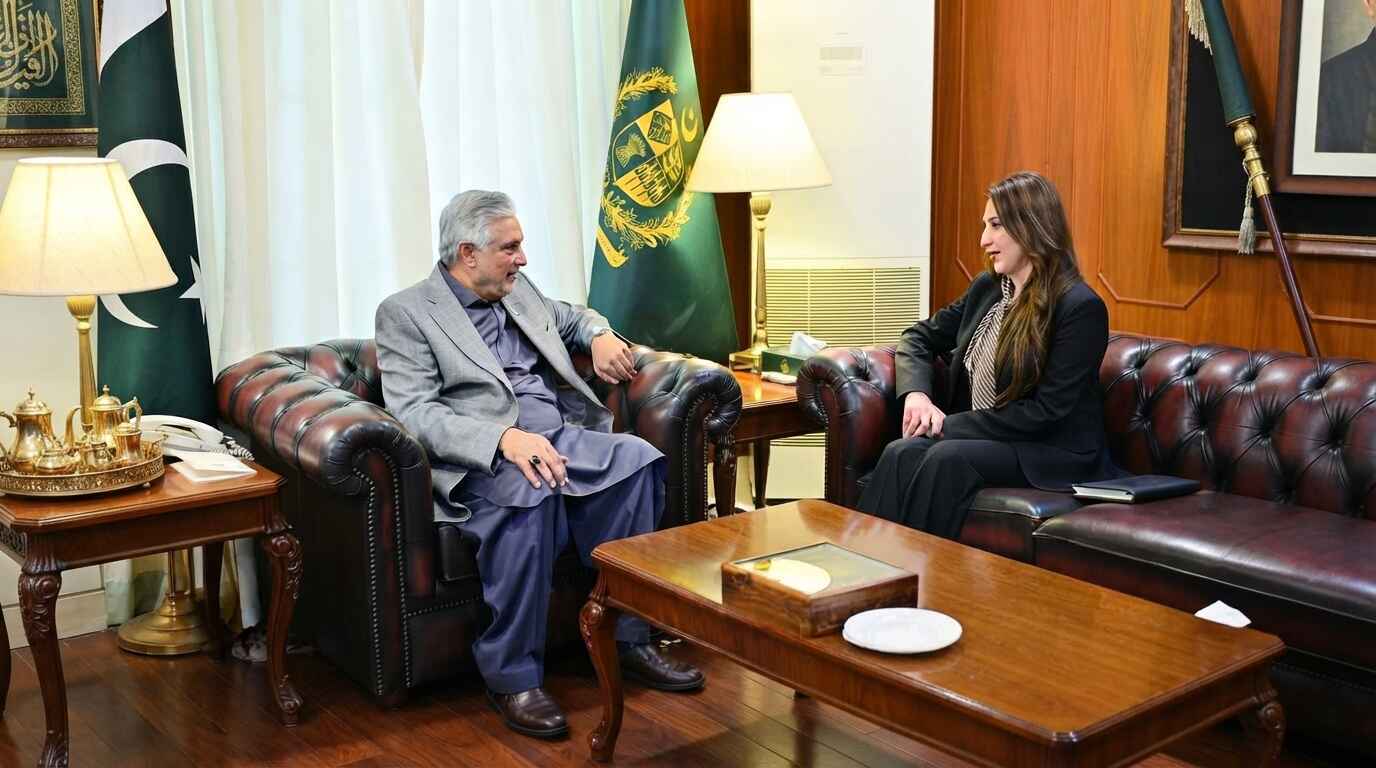
Gharibabadi said Iran had reached an understanding with Oman regarding arrangements for passage through the Strait of Hormuz, according to Tasnim News Agency. He stressed, however, that "this understanding will not automatically enter the implementation phase."
The deputy foreign minister added that Iran is in no hurry to reopen the strait and will continue its defensive measures and efforts to counter threats.
The Oman understanding
Oman has served as the primary mediator between Tehran and Washington on the strait since the conflict began, holding a series of talks at the deputy foreign minister level since April. Earlier this month, Iran had signalled it was nearing a deal with Muscat on managing the waterway, while warning it would still demand concessions from the US before any return to normal shipping traffic. Sunday's comments confirm that an understanding has now been reached, but stop short of setting out when, or under what conditions, normal transit through the strait will actually resume.
Why Hormuz has been closed
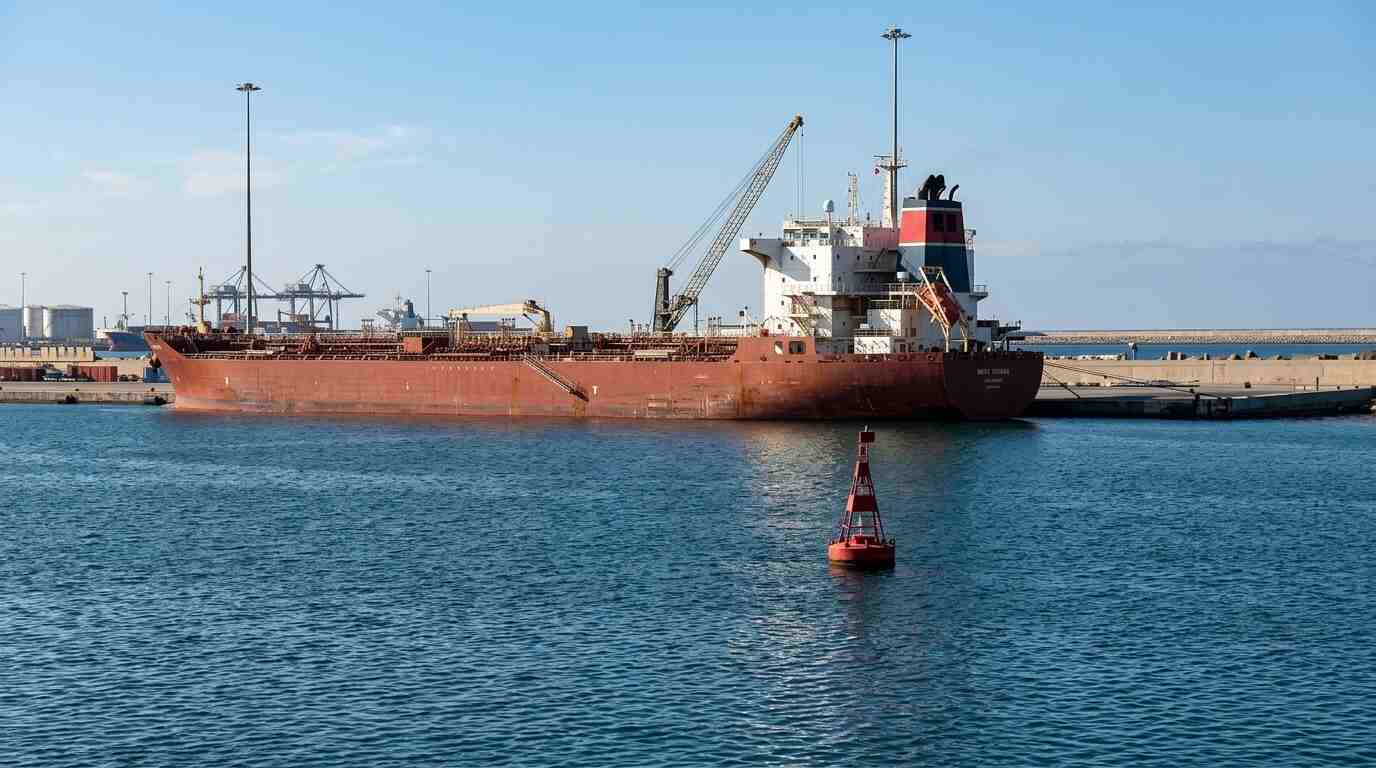
The strait, through which roughly a quarter of the world's seaborne oil trade and about a fifth of global LNG shipments normally pass, has been effectively shut to commercial traffic since the war began on February 28, 2026, when US and Israeli strikes killed Iran's then-Supreme Leader Ali Khamenei. Iran responded by attacking and boarding vessels in the strait and laying naval mines, prompting shipping firms to suspend operations there. A ceasefire in April and a memorandum of understanding signed in June briefly eased tensions, but the conflict resumed in July after renewed Iranian attacks on shipping near Oman drew fresh US airstrikes.
What happens next
Gharibabadi's remarks suggest that even with a framework now agreed with Oman, Tehran intends to keep the strait's reopening tied to unspecified US commitments rather than moving immediately to restore normal traffic. Oil markets, which have absorbed months of elevated prices linked to the closure, are likely to stay sensitive to any further signals from Tehran, Washington, or Muscat on a implementation timeline.