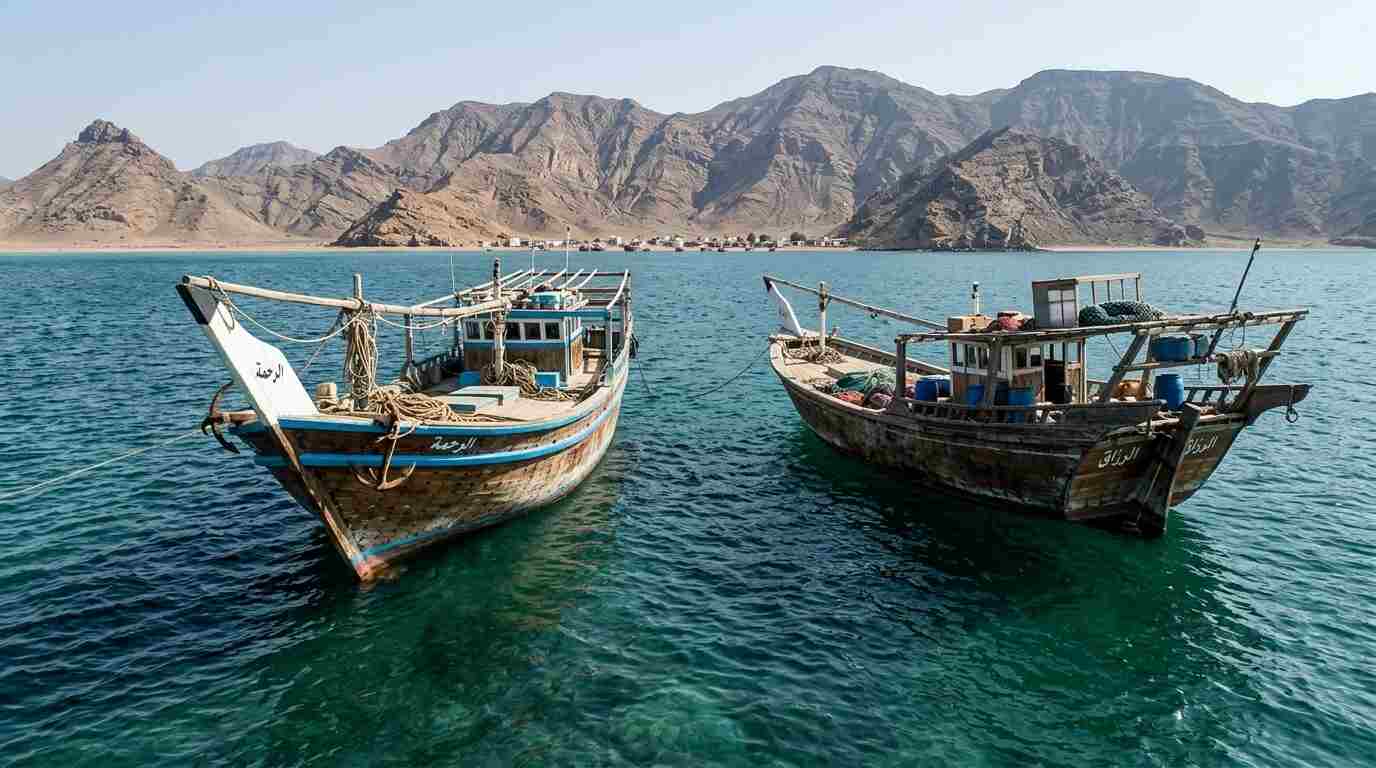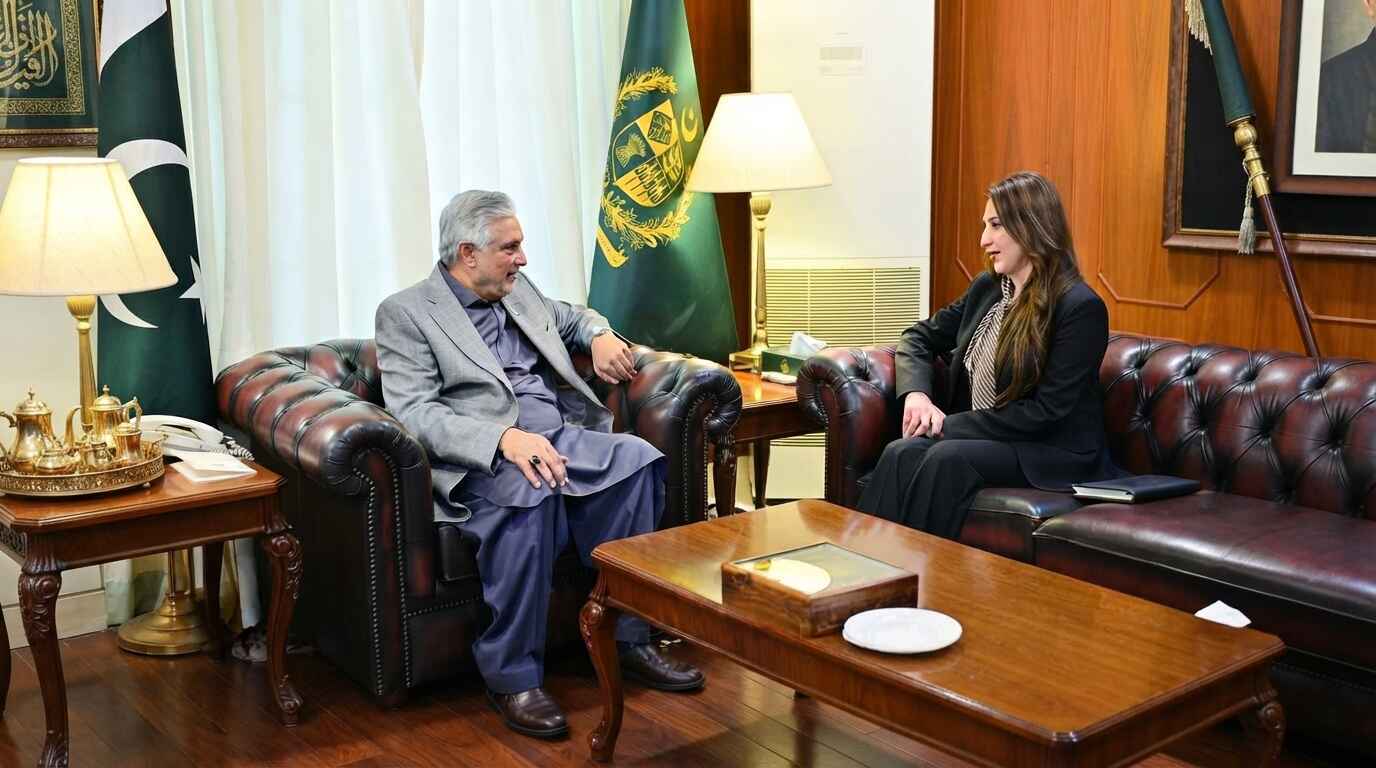
Iran's Supreme Leader Mojtaba Khamenei has urged the rulers of Gulf Arab states to identify their "real enemy," understand its plans, and confront it, in a written message published on his Telegram account on Sunday.
What Khamenei said
Khamenei's message called for greater unity and cooperation among Muslim-majority countries, warning that internal divisions only served the interests of outside adversaries. He said anyone who creates rifts among Muslims "knowingly or unknowingly" ends up helping the enemies of Islam.
Addressing Gulf rulers directly, Khamenei said: "identify your real enemy, understand his plan and confront it." He also asked whether Palestinians would have been left "so helpless" had Muslim nations stood united, and whether outside powers would have dared covet Gulf territory and resources if Gulf governments and peoples had been "united under the flag of Islam."
Timing and context
The message was released to mark Islamic Unity Week, an occasion tied to the birthday of the Prophet Muhammad that is observed across the Muslim world. Khamenei's statement called for cooperation across multiple fields and mutual defence among Islamic countries, framing unity as the region's core defence against external threats.
Iran-Gulf tensions since the war
The appeal comes against a backdrop of strained ties between Tehran and its Gulf neighbours. Since the 1979 Islamic Revolution, Gulf Arab monarchies have viewed Iran's revolutionary, anti-monarchic ideology as a challenge to their own political systems. Those tensions have deepened over the past six months: during the ongoing conflict that began in February, Iran has struck US military facilities and other infrastructure located in Gulf states, actions that have further unsettled relations between Tehran and Gulf capitals even as Khamenei's message calls for solidarity against a shared adversary.
Who is Mojtaba Khamenei
Mojtaba Khamenei became Iran's Supreme Leader after his father, Ayatollah Ali Khamenei, was killed in a joint US-Israeli airstrike that opened the war in February 2026. He has not appeared in public since being injured in the strikes that killed his father, and has instead communicated through a series of written and audio statements, including a March message marking the Persian New Year in which he described Iran's enemies as having been "defeated."
What happens next
There has been no immediate public response from Gulf governments to Sunday's message. The appeal lands as Iran faces mounting economic and military pressure from Washington and its allies, making any shift in Tehran's relations with Gulf Arab states worth watching in the weeks ahead.