DOHA — Qatar says negotiations between the United States and Iran are continuing despite mounting tensions across the Middle East, although major disagreements over the Strait of Hormuz, sanctions and Tehran's nuclear programme remain unresolved.
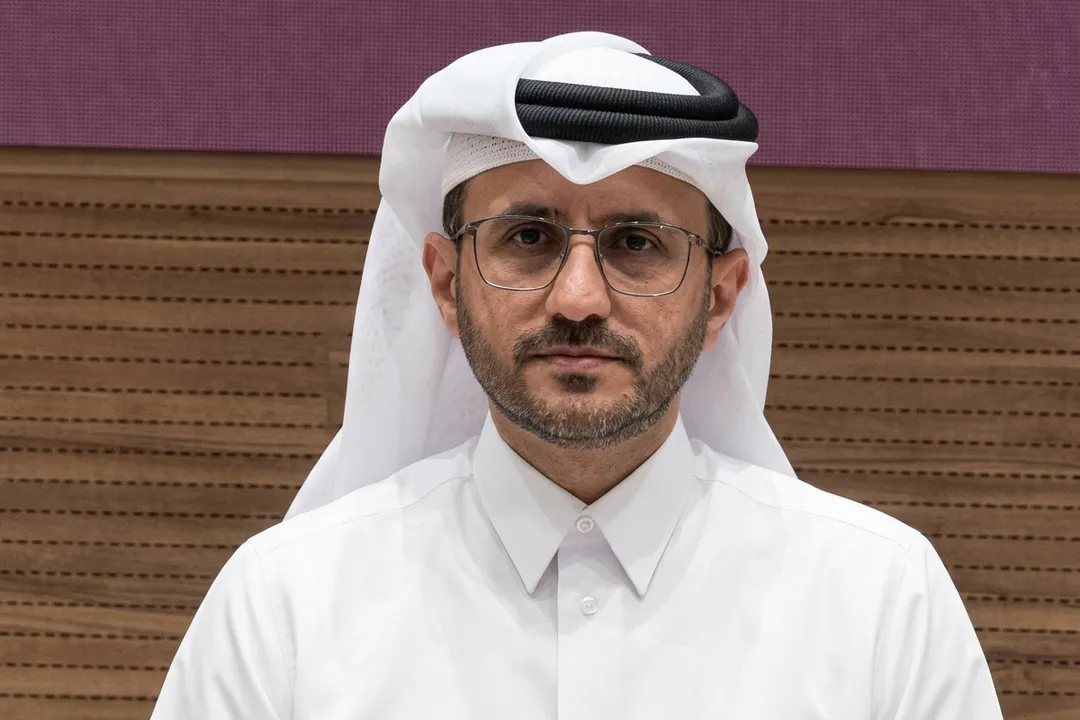
Dr Majed bin Mohammed Al Ansari, Qatar's Foreign Ministry spokesperson and adviser to the prime minister, made the remarks at the Global Security Forum in Doha on Tuesday, October 20, 2026.
According to Anadolu Agency's coverage of the forum, Al Ansari said both sides remained engaged in diplomatic discussions and warned that further military escalation could spread the conflict beyond the region.
His remarks reflected Qatar's assessment that diplomatic channels remain active. They did not announce a new agreement, a direct meeting between senior US and Iranian officials or a breakthrough in the negotiations.
What Did Qatar Say About the Negotiations?
Al Ansari said Washington and Tehran remained involved in discussions, with regional partners also working to support the diplomatic process.
He expressed hope that continued engagement could eventually produce an agreement but acknowledged that conditions across the Middle East were becoming increasingly difficult.
One of his main points concerned the limited public information emerging from the negotiations.
According to The Peninsula's report, the Qatari spokesperson argued that confidential mediation can be more effective than negotiations conducted through public statements.
Al Ansari referred to discussions concerning the Joint Comprehensive Plan of Action (JCPOA), the framework associated with the 2015 nuclear agreement between Iran and world powers.
However, his reference did not establish that the JCPOA had been restored or that Washington and Tehran had reached new commitments on Iran's nuclear activities.
The distinction matters because diplomatic engagement can continue through intermediaries even when governments remain unable to agree on the terms of a settlement.
What Has Iran Confirmed About Diplomatic Contacts?
Qatar's latest statement follows earlier official confirmation of continuing communications between Washington and Tehran.
On October 6, Qatar's Foreign Ministry said messages were being exchanged between the two governments through mediation.
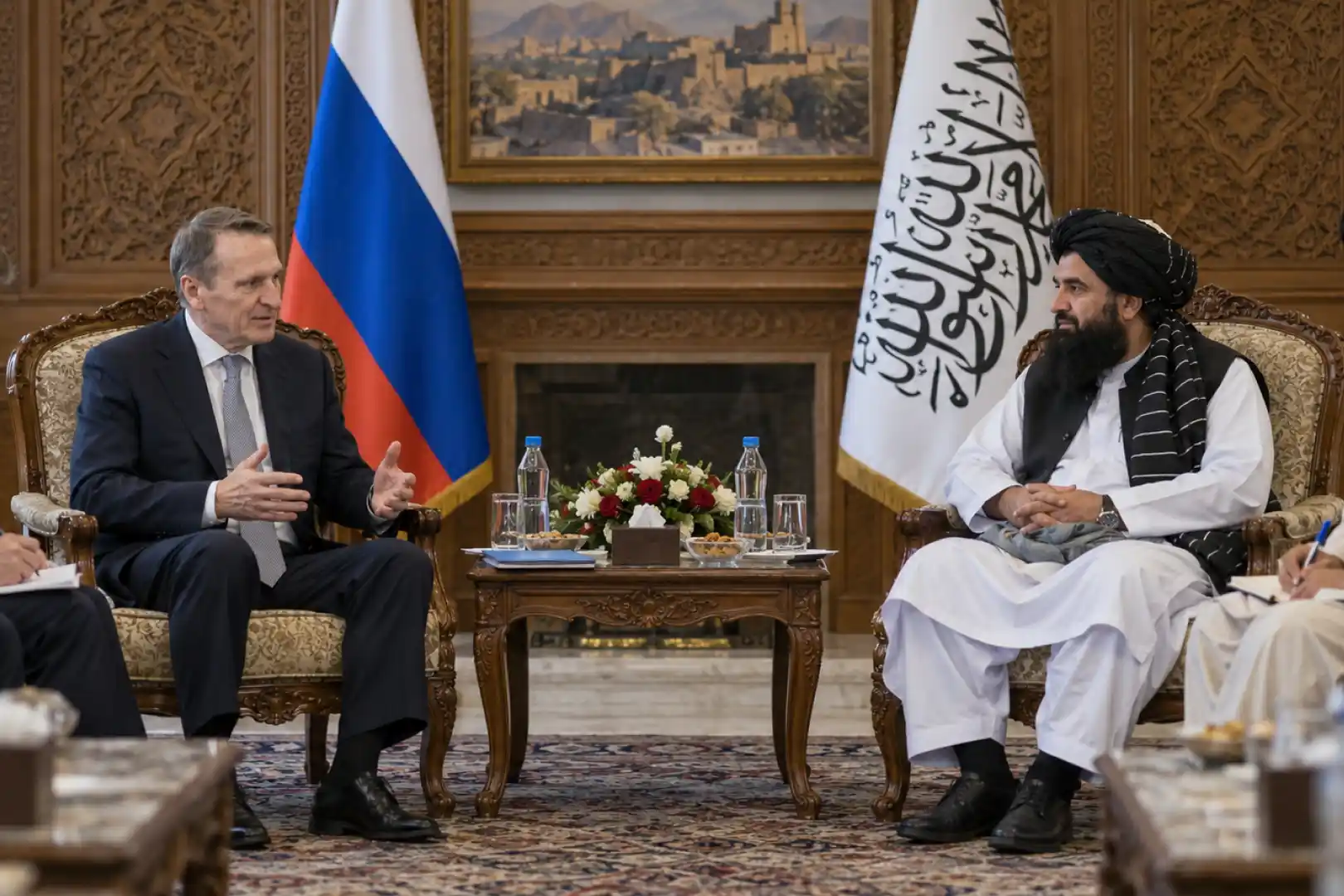
Speaking at the ministry's weekly briefing, Ibrahim bin Sultan Al Hashmi, director of its Media and Communication Department, said Doha's efforts were continuing and that any possible settlement would need to address the concerns of both sides.
The official Qatari statement confirmed an active communication channel without announcing a settlement.
Iran subsequently acknowledged the exchanges.
On October 12, Iranian Foreign Ministry spokesperson Esmaeil Baqaei said Tehran was reviewing American proposals for negotiations and that indirect messages continued to pass between the countries.
He identified Pakistan and Qatar as mediators, according to Anadolu Agency's report on his briefing.
Baqaei also maintained that Iran's conditions would need to be respected in any negotiations.
These statements support the existence of ongoing diplomatic contacts. They do not independently confirm that a new round of face-to-face negotiations has taken place.
Why Hormuz and Nuclear Demands Remain Major Obstacles
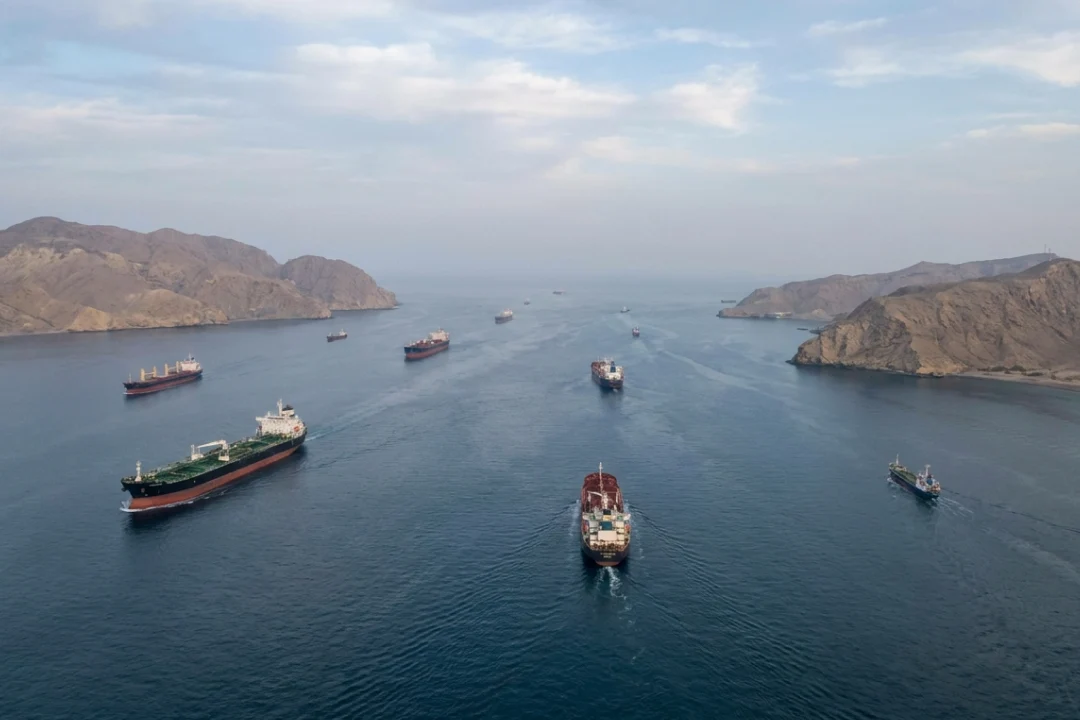
The Strait of Hormuz remains a central point of disagreement between the United States and Iran.
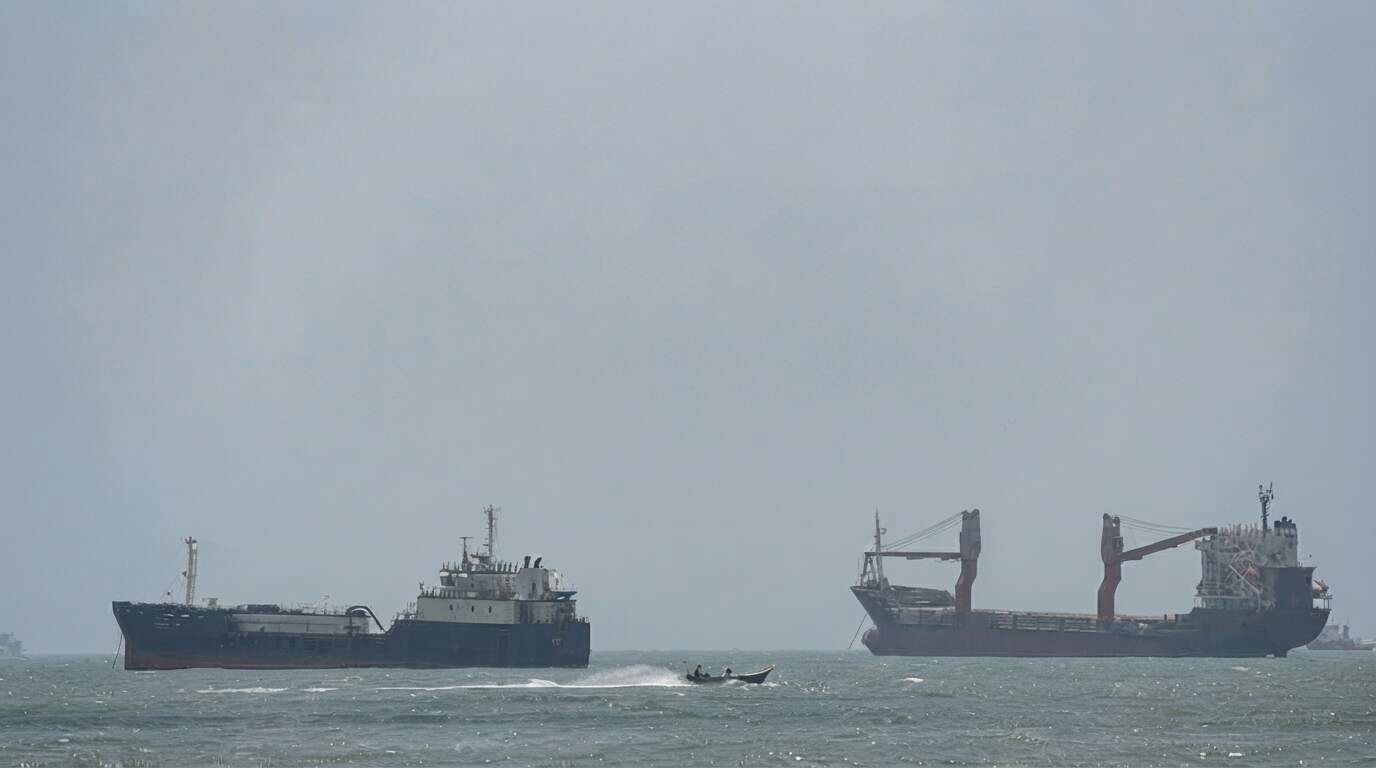
The waterway connects the Persian Gulf with the Gulf of Oman and is a major route for global oil and liquefied natural gas shipments. Military confrontation and restrictions affecting shipping have increased uncertainty over energy supplies and transportation.
On October 18, Iranian Foreign Minister Abbas Araghchi said Tehran's proposal to reopen the strait remained available to Washington.
According to Reuters, Iran's conditions included lifting the US maritime blockade on Iranian ports, removing restrictions on Iranian oil exports and ending hostilities across the region.
Subsequent reporting described additional demands, including the release of frozen Iranian assets. The proposal envisaged reopening the waterway within seven days if Washington accepted Tehran's terms. Those conditions remain disputed, and a full reopening has not been established.
A major obstacle concerns the order in which the two sides want to address their differences.
Washington has sought negotiations on Iran's nuclear programme from the outset, while Tehran insists that its conditions concerning Hormuz, sanctions and regional security should be addressed before nuclear negotiations begin.
In an October 20 investigation, Reuters reported that negotiations remained deadlocked over the sequencing of concessions, citing senior Iranian officials and other sources familiar with Tehran's position.
Those officials also described deep distrust of Washington and concern about the possibility of renewed attacks. Their assessment was not a formal announcement that negotiations had ended.
Qatar's statement and the Reuters report therefore describe different aspects of the same diplomatic situation: channels remain open, but agreement on substantive issues is still lacking.
Qatar Warns Against Wider Regional Escalation
Al Ansari also warned that continued military escalation could widen the conflict beyond the Middle East.
He said an earlier ceasefire attempt had been intended to open a path toward negotiations, but the arrangement broke down and fighting resumed.
The Qatari spokesperson argued that mediation should address the underlying causes of conflict rather than treating a ceasefire as a complete political settlement.
He also discussed the fighting in Yemen, saying the conflict had its own dynamics even though it was connected to wider regional tensions.
According to The Peninsula, Qatar expressed support for Saudi Arabia's sovereignty and its right to defend itself amid attacks affecting the kingdom.
These statements reflected Doha's diplomatic position. They did not amount to an announcement of a new ceasefire or regional peace agreement.
Pakistan Continues Its Mediation Role
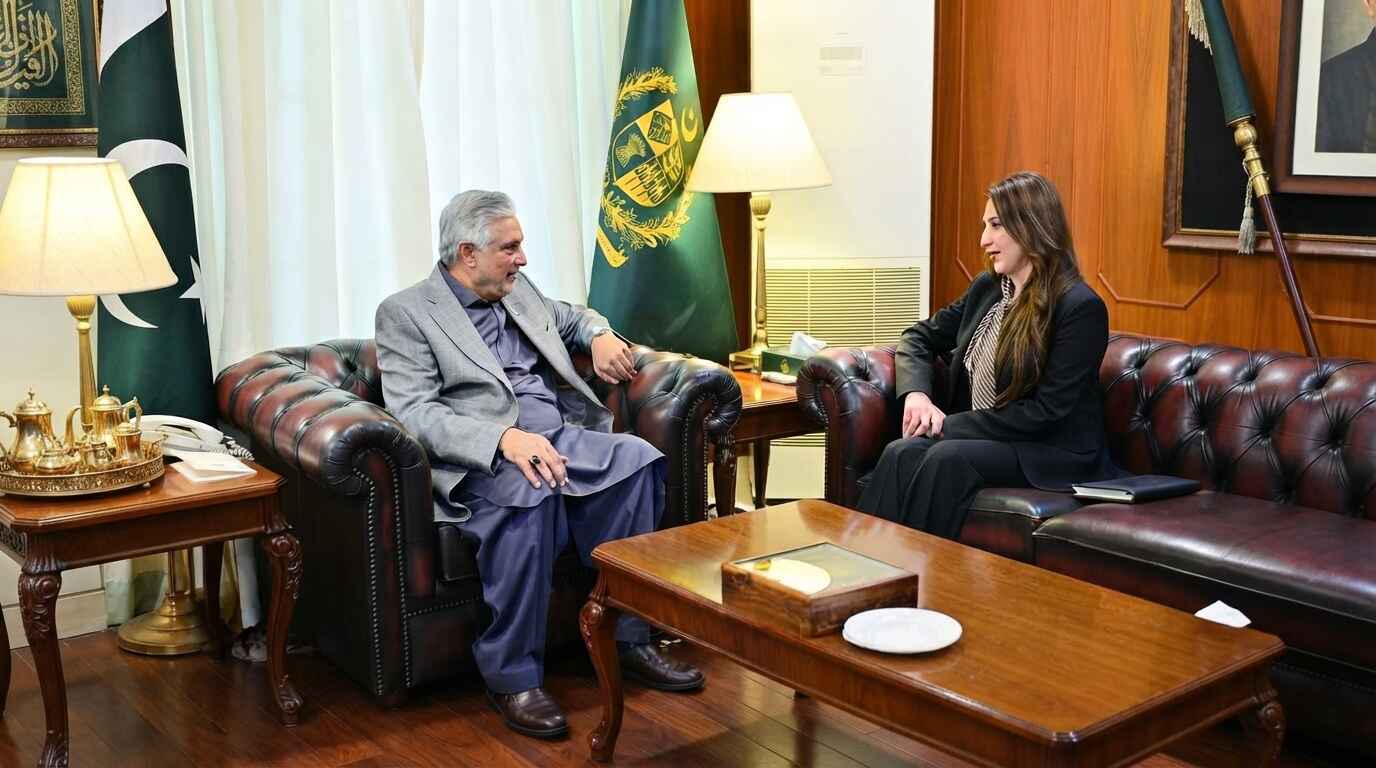
Pakistan remains involved in efforts to keep diplomatic channels open between Washington and Tehran.
Iran's Foreign Ministry identified Pakistan and Qatar as mediators on October 12, while Qatar has separately acknowledged Pakistan's contribution to the diplomatic process.
Pakistan also helped mediate the Islamabad Memorandum of Understanding signed by the United States and Iran on June 18, 2026.
The agreement established commitments intended to reduce hostilities and create a route toward a broader settlement. However, disagreements over implementing those commitments continued.
For background on the agreement and Pakistan's diplomatic efforts, see Origin Pakistan's earlier report on the Islamabad memorandum.
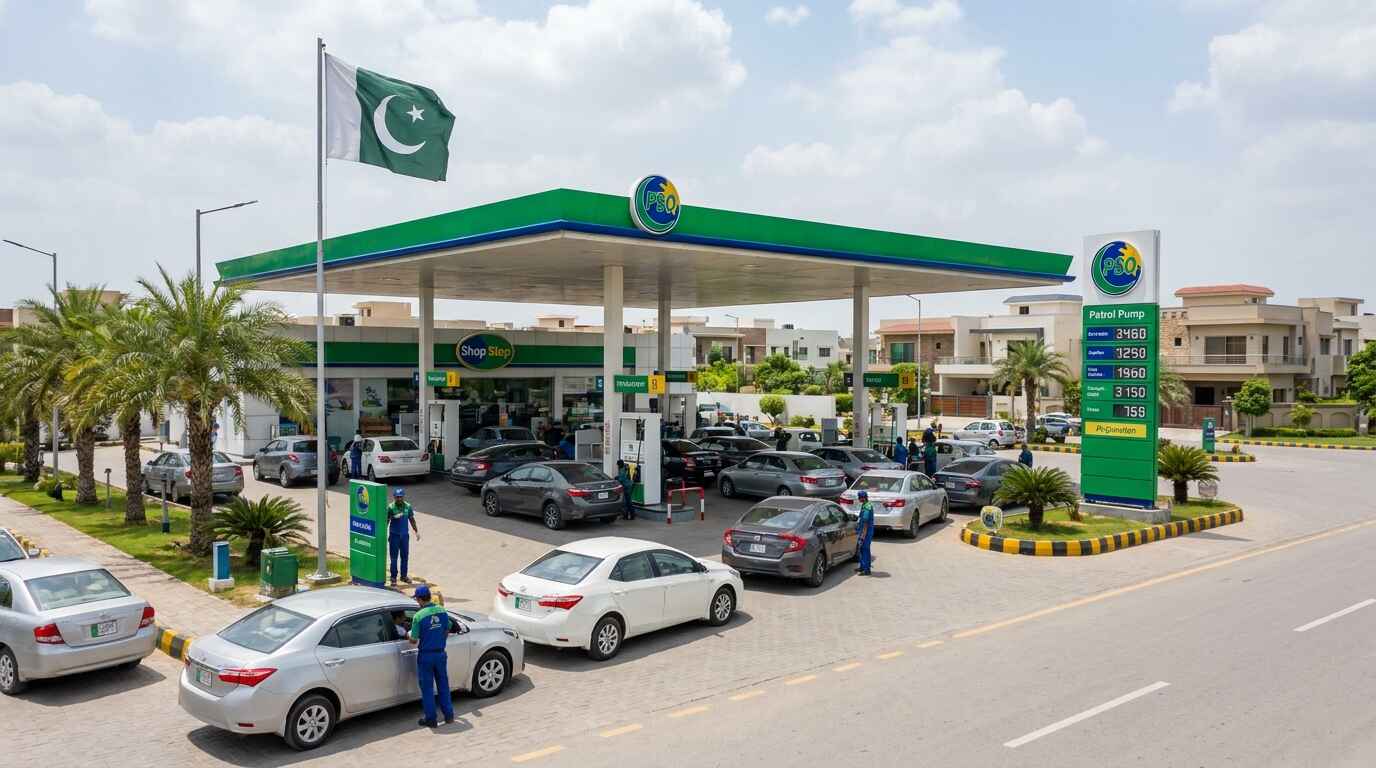
Developments around the Strait of Hormuz are especially relevant to energy-importing countries such as Pakistan because disruption to shipping can affect international fuel prices and transportation costs.
However, Al Ansari's October 20 statement did not announce a new agreement brokered by Pakistan or confirm a fresh round of negotiations in Islamabad.
The position remains that Qatar reports continuing engagement, Iran has acknowledged indirect diplomatic contacts, and significant disagreements remain unresolved.
No new comprehensive US-Iran agreement or confirmed date for another formal meeting was announced in the Qatari spokesperson's remarks.