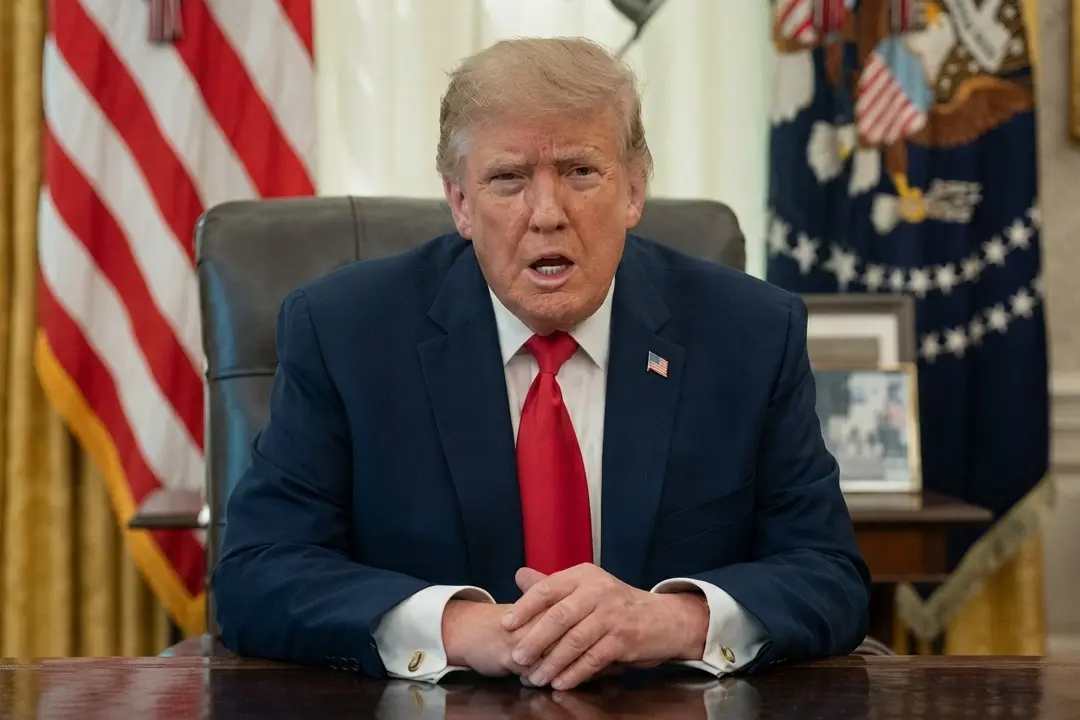
US President Donald Trump has rejected an Iranian proposal to reopen the Strait of Hormuz within seven days, telling reporters at the White House on Saturday, "I'm rejecting their deal." According to a Wall Street Journal report citing unnamed US officials, Trump has also told aides he expects American bombing of Iran to resume after the November midterm elections, though he has not confirmed this timeline publicly himself.
The rejection is the latest turn in the war between the United States, Israel and Iran that began on February 28, 2026, and has moved through repeated cycles of ceasefire, collapse and renewed strikes over the past seven months. For Pakistan, a country that imports the bulk of its petroleum and depends heavily on remittances from workers in the Gulf, the decision carries consequences that go well beyond Washington.
What Iran offered, and what Trump turned down
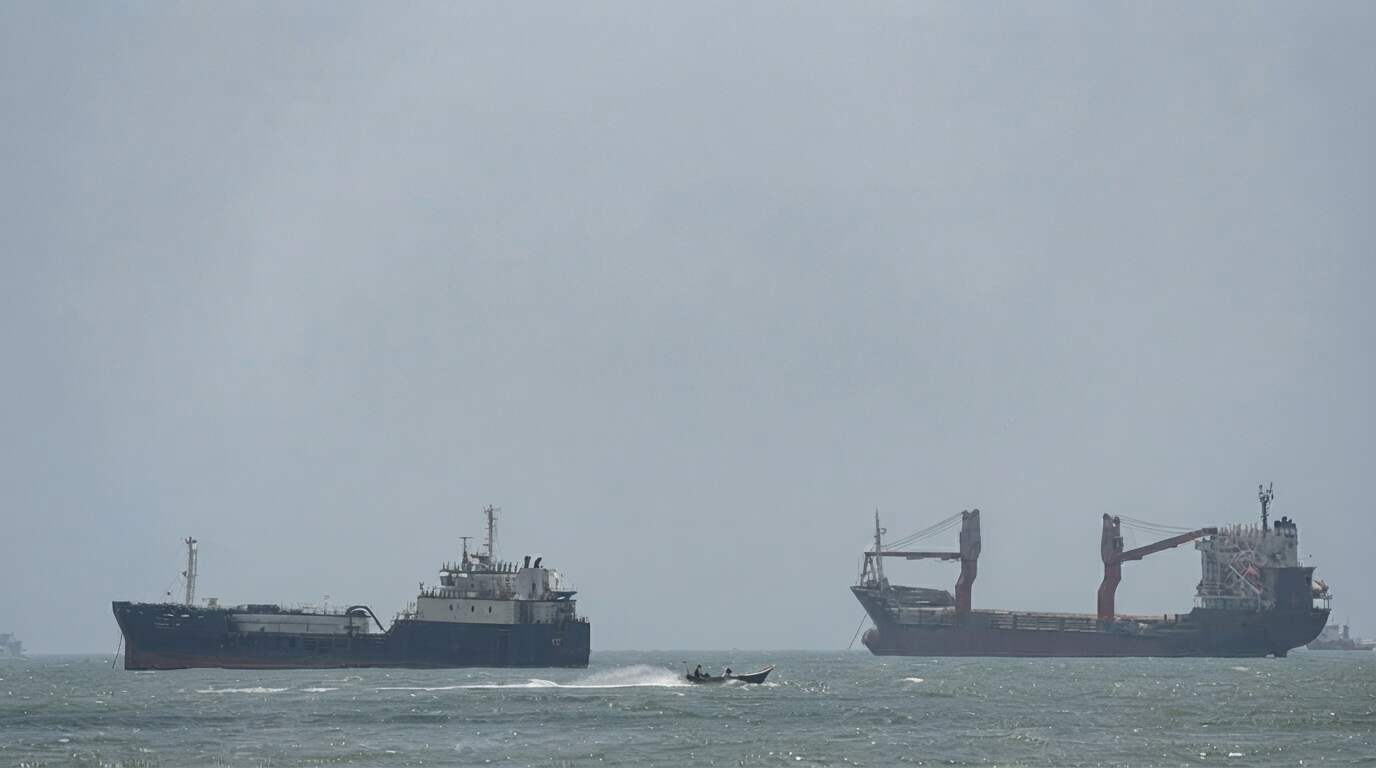
Iranian Foreign Minister Abbas Araghchi outlined the proposal on the sidelines of the United Nations General Assembly in New York, describing a seven-day plan under which Tehran would reopen the Strait of Hormuz and restart nuclear negotiations with Washington. In return, Iran wanted the United States to lift its naval blockade of Iranian ports, ease sanctions on Iranian oil sales, and observe a ceasefire that would extend to Lebanon.
Trump dismissed the offer as an attempt by Iran to reopen the strait quickly because it believed it was losing the war badly, according to remarks reported from his White House appearance. The Wall Street Journal separately reported that Trump is privately skeptical Iran would honour the terms of any deal and has told staff he sees a renewed bombing campaign as likely once the midterms are over. That element of the story rests on anonymous officials, not an on record statement from Trump, and has not been independently confirmed beyond the original WSJ report.
Why this matters at Pakistani petrol pumps
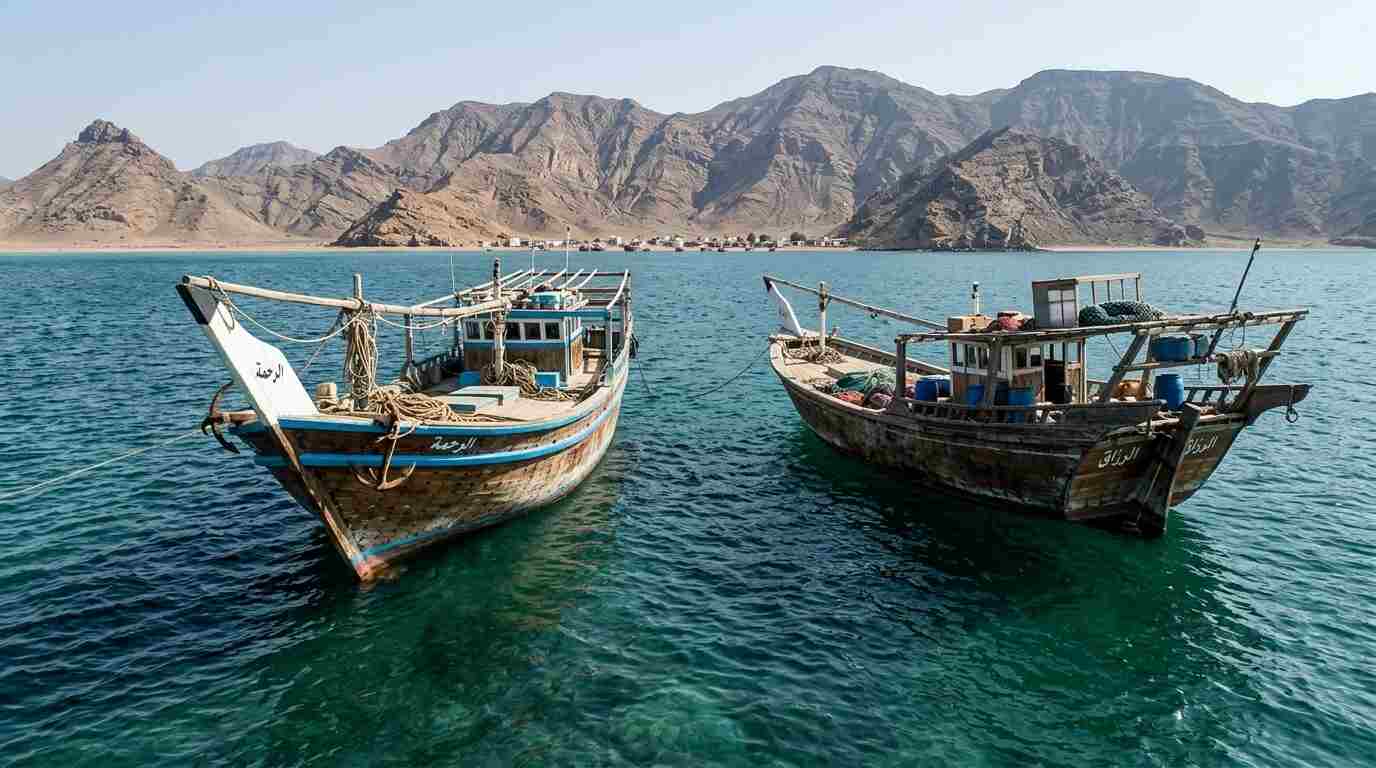
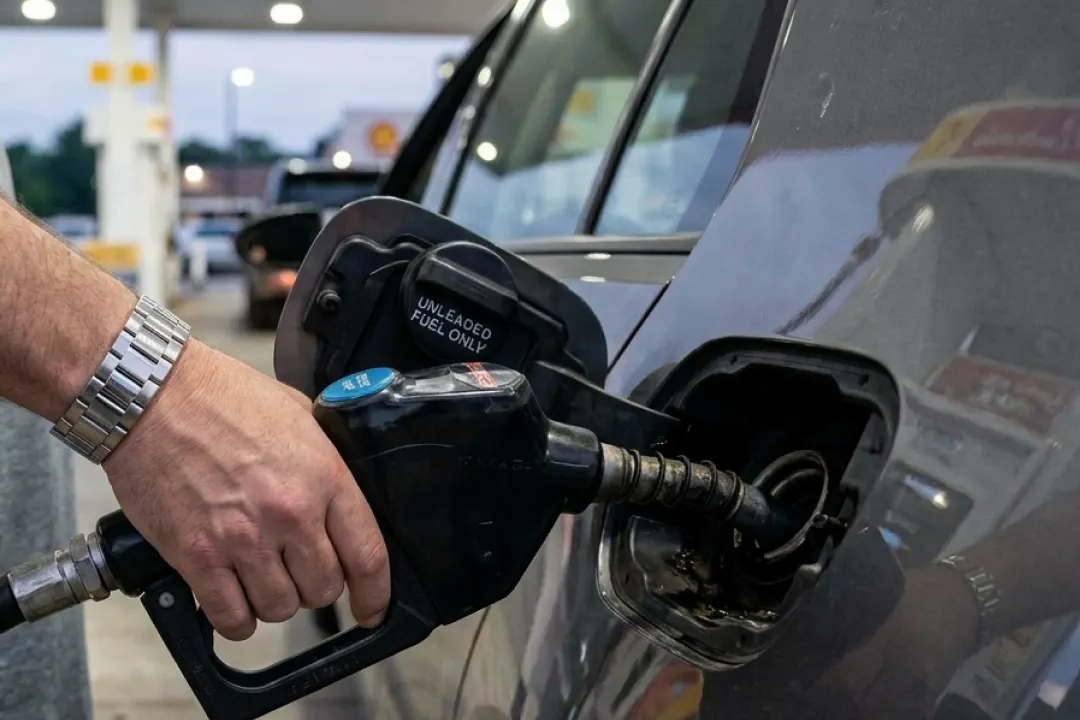
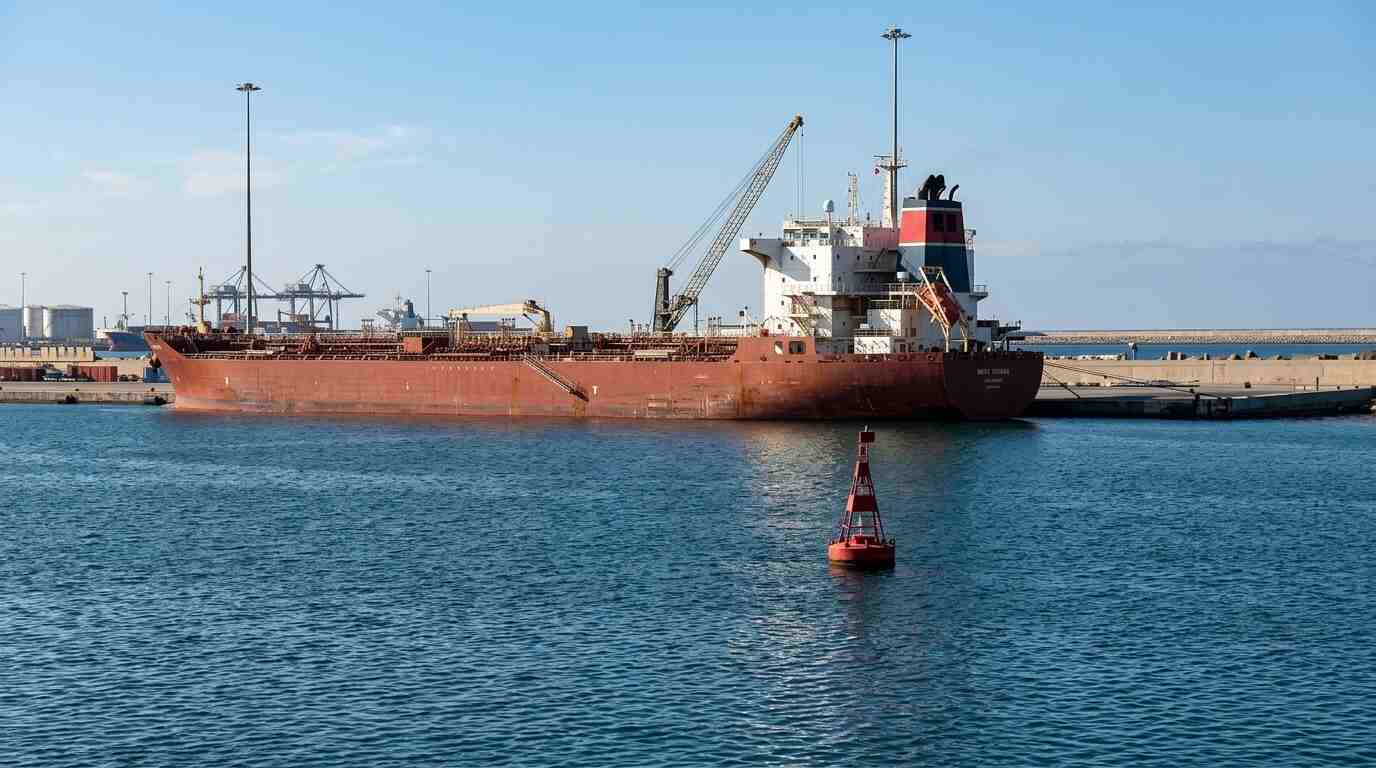
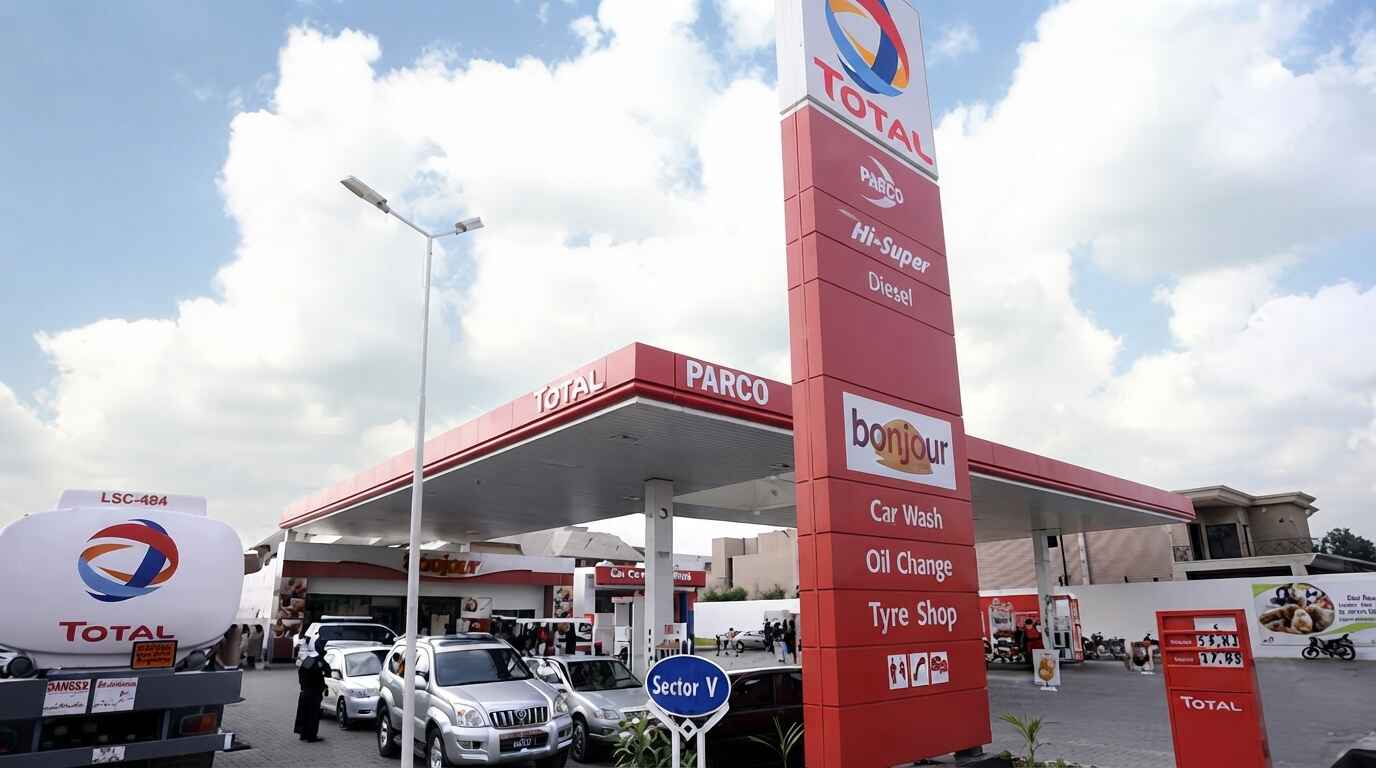
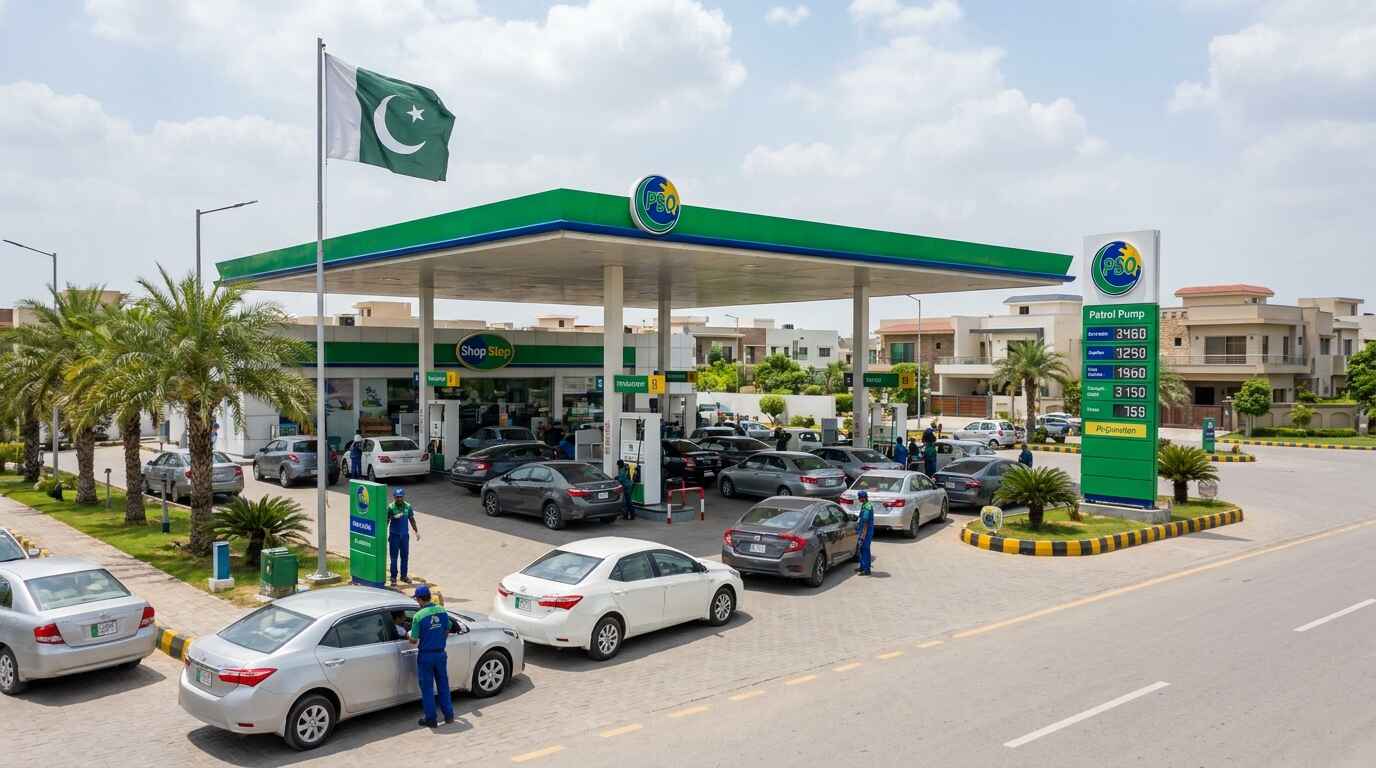
Pakistan relies on imported crude and refined fuel for most of its energy needs, and the Strait of Hormuz sits at the centre of that supply chain. To keep pace with the volatility this has caused, the Oil and Gas Regulatory Authority moved earlier this year to a daily pricing mechanism, recalculating petrol and diesel rates using a rolling average of international oil prices, freight costs and the rupee's exchange rate, rather than the fortnightly reviews used previously.
That link is not theoretical. Petrol prices in Pakistan have hovered near Rs390 per litre in the past week, and officials have directly attributed the shift to daily pricing to the geopolitical volatility around Hormuz. Separately, Prime Minister Shehbaz Sharif has said the IMF has not objected to a targeted subsidy of Rs100 per litre for motorcycles, rickshaws and small cars, with the Economic Coordination Committee approving roughly Rs75 billion to cover the scheme's first three months. That subsidy softens the impact for specific users, but it does not insulate Pakistan from the underlying international price swings a renewed bombing campaign could trigger.
The remittance risk Pakistan cannot subsidise away
Beyond fuel, Pakistan's exposure runs through its Gulf based workforce. The Asian Development Bank's latest outlook, released this month, explicitly flagged that a further escalation of the Iran war could disrupt labour markets in Gulf economies and affect remittances sent home by Pakistani workers, while also pushing up the country's energy import costs and inflation.
That risk is not new. Research from the Gulf Labour Markets, Migration and Population programme found that the number of Pakistani workers leaving for the Gulf fell by about a third in the month after the war first broke out in February, with the steepest declines in Oman, Bahrain and Kuwait. Earlier in the conflict, Pakistani economists had warned that a sustained disruption could cut remittance inflows by billions of dollars a year, a lifeline that helps stabilise the rupee and cover Pakistan's current account deficit. Whether a fresh round of US strikes would reproduce that scale of disruption is not yet known, but the structural exposure remains unchanged.
Where Pakistan stands
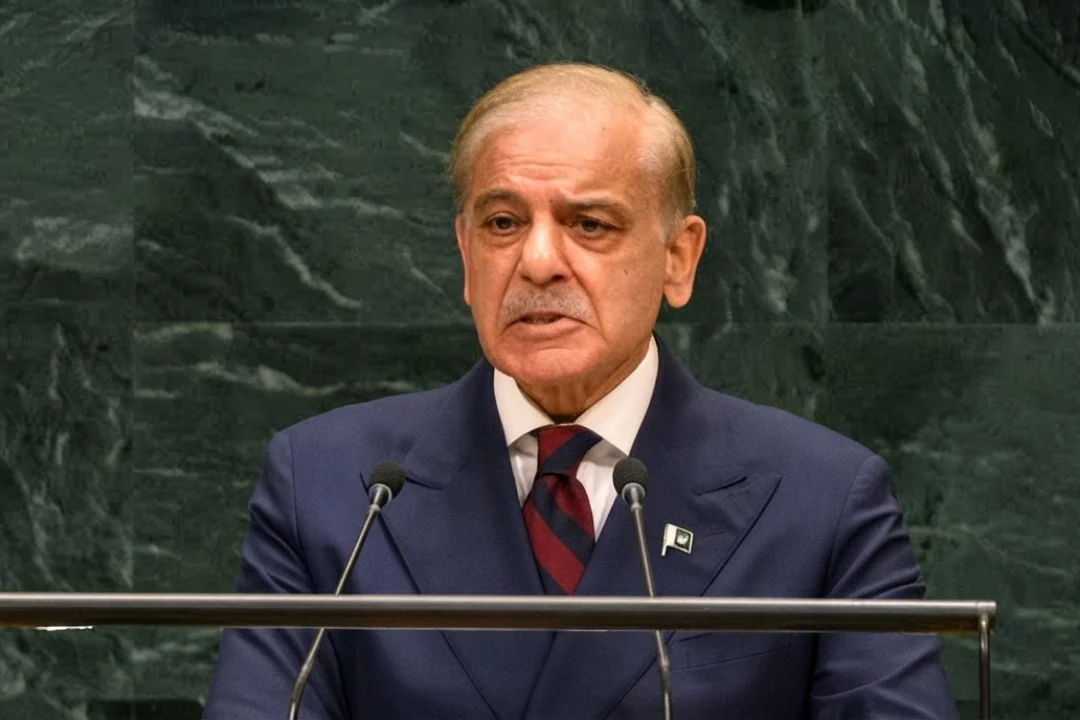
Pakistan has maintained a policy of official neutrality throughout the war, with its Foreign Ministry condemning attacks on both Iran and Gulf states and repeatedly pushing for a return to negotiations. Islamabad has also played a mediating role at several points in the conflict, including hosting talks that produced the Islamabad memorandum of understanding.
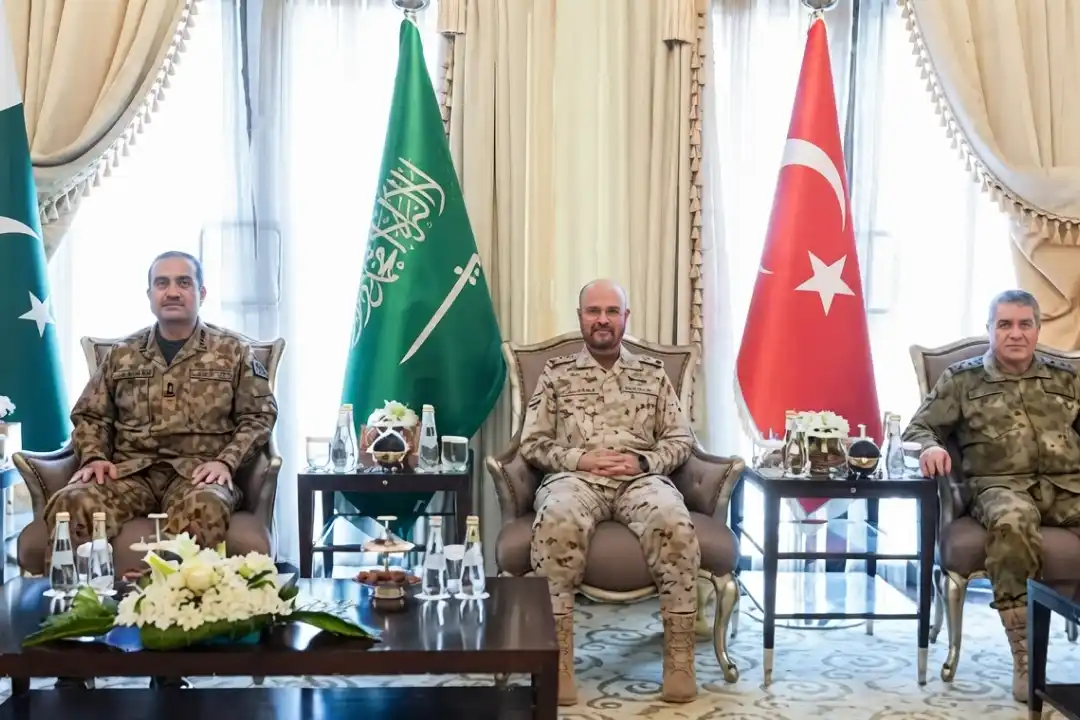
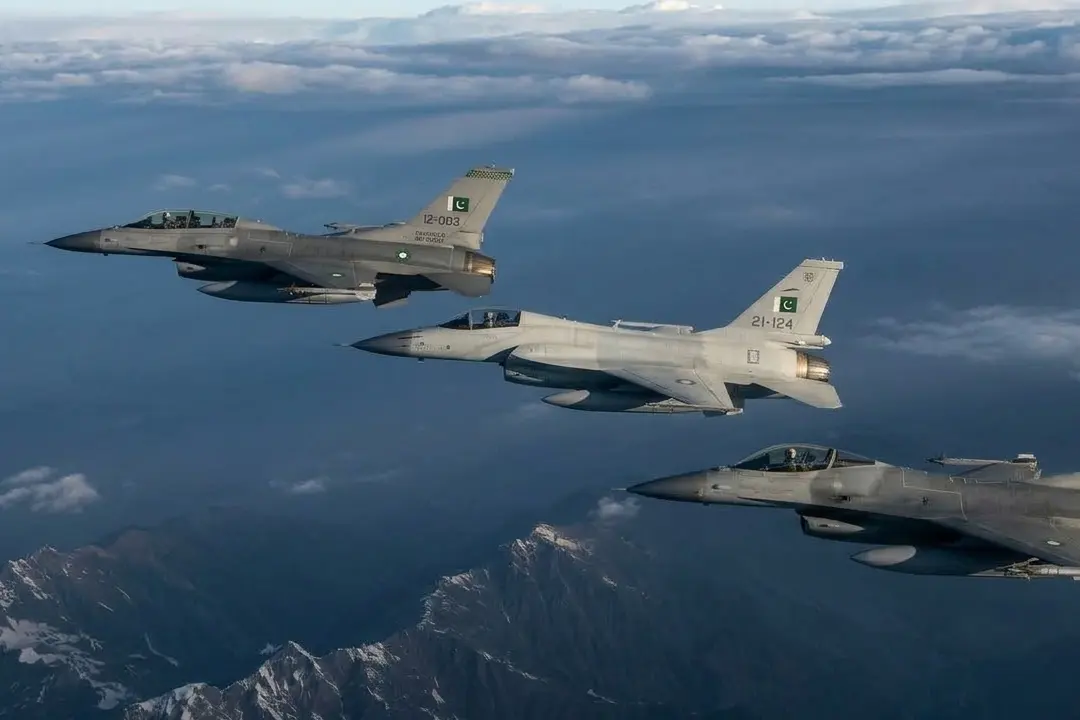
That balancing act sits alongside Pakistan's defence commitments in the region. Islamabad is party to the Mecca Joint Defence Agreement with Saudi Arabia and Turkiye, under which an attack on any one member is to be treated as an attack on all three. The pact has faced questions over its practical limits after Houthi attacks on Saudi Arabia, including strikes affecting the vicinity of Mecca, did not draw a military response from Pakistan or Turkiye. A renewed US Iran escalation would add further pressure to a neutrality Pakistan has so far managed to hold, even as its economic exposure to the conflict continues to grow.