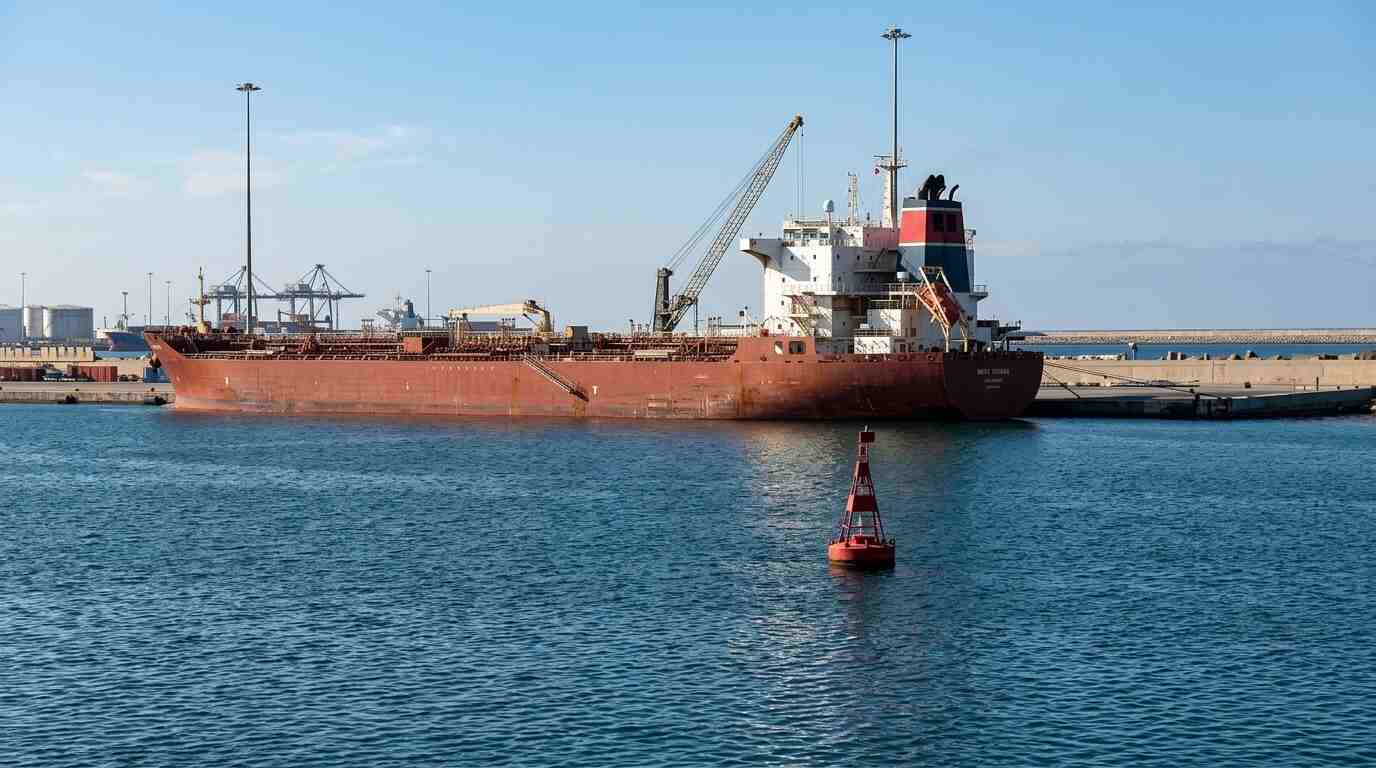
Pakistan has warned that any attack on an empty oil tanker stranded in the Red Sea near Saudi Arabia's East-West Pipeline would be treated as an "act of war," as Islamabad weighs its options for the vessel amid dwindling diesel reserves at home.
Petroleum Minister Ali Pervaiz Malik, speaking to a private television channel, said the tanker would ultimately have to be moved regardless of the circumstances. "We will have to move it one way or another," Malik said, while noting that Saudi authorities have asked Pakistan to keep the vessel on standby for the time being, a clear difference in preference between the two governments over what happens next.
Why the Tanker Is Stuck
The vessel is stranded near the Red Sea end of Saudi Arabia's East-West Pipeline, a critical route Saudi Arabia uses to move crude oil to the Red Sea without passing through the Strait of Hormuz. The pipeline was shut down last week following drone attacks Saudi Arabia and Iraq both say originated from Iraq, and the Saudi Energy Ministry has said it could remain closed for up to six weeks.
Malik said Pakistan is weighing several options for the tanker: keeping it near the pipeline until operations resume, rerouting it through Oman or the United Arab Emirates, or sourcing crude from Libya instead. He warned that a prolonged disruption to crude supplies could lead to a diesel shortage, since Pakistan currently holds diesel stocks for only the current month and the one following it.
A Defense Pact in the Background
Pakistan's warning connects to a trilateral defense agreement signed last month between Saudi Arabia, Pakistan and Turkiye at the Makkah Al-Mukarramah Summit for Joint Defence, an agreement that has drawn comparisons to NATO's mutual-defense structure. Pakistan has previously said an attack on Saudi Arabia's sovereignty could activate that pact, meaning a strike on Pakistan's own flagged tanker would carry consequences well beyond a single vessel.
Pakistan's Foreign Ministry had already condemned the initial drone strikes on the pipeline on September 12, calling them a violation of international law and reaffirming Islamabad's support for Saudi sovereignty and security. Prime Minister Shehbaz Sharif separately condemned a drone attack targeting the holy city of Makkah, according to a statement from his office.
The Bigger Picture
The pipeline's shutdown is part of a broader pattern of near-daily Houthi attacks on Saudi Arabia over the past two weeks, including territorial gains in Yemen and a tightening grip on the Bab al-Mandab strait, another critical chokepoint for global shipping and energy markets. Despite the wider disruption, ships sailing under Pakistan's flag have continued transiting the Strait of Hormuz throughout the US-Iran war, a reflection of Islamabad's mediating role in that conflict since it began in February.
Whether the tanker ultimately moves through Oman, the UAE, or stays put near the pipeline will likely depend on how quickly Saudi Arabia can restore the pipeline's operations, and how the security situation in the Red Sea develops in the coming weeks.