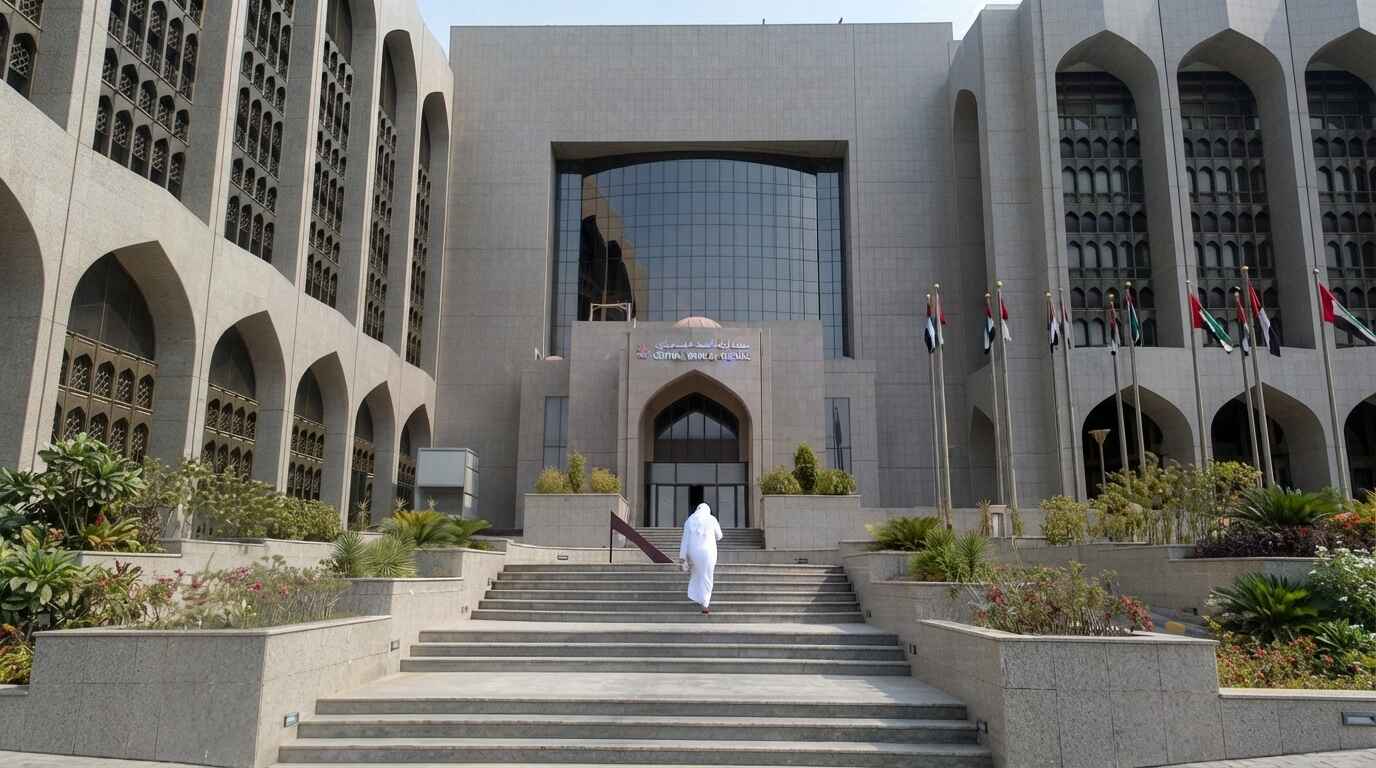

The State Bank of Pakistan kept its policy rate unchanged at 11.5 percent on September 14, as its Monetary Policy Committee weighed steady domestic economic data against rising inflation risk from the intensifying conflict in the Middle East.
The decision, reached by 7 of the committee's 10 members, marks the second consecutive meeting the SBP has held the rate steady, after raising it by 100 basis points in April. For borrowers and savers, it means no immediate change to loan or deposit rates tied to the benchmark.
Why the SBP Held Steady
The committee said the intensification of the prolonged Middle East conflict had pushed already elevated global commodity prices higher and prolonged supply chain disruptions, keeping energy inflation elevated. At the same time, it noted that recent domestic macroeconomic data had come in broadly in line with its expectations, giving it room to hold rather than hike.
Headline inflation rose to 11.1 percent year-on-year in August, up from 9.2 percent in July, driven largely by higher food prices, particularly wheat and other staples, alongside elevated energy costs tied to the Middle East conflict. Core inflation stood at 8.7 percent.
What Gave the Central Bank Room to Hold
The SBP pointed to improving external buffers as a key factor supporting its decision. Pakistan recently raised $3 billion through Eurobonds, helping push the central bank's foreign exchange reserves above $21 billion. The bank also cited robust workers' remittances and higher financial inflows as easing pressure on the external account.
The central bank kept its real GDP growth projection for the current fiscal year at 3.5 to 4.5 percent, citing improved prospects for agriculture, including increased acreage for rice and sugarcane and encouraging early cotton arrivals.
The Outlook Ahead
The SBP said it still expects inflation to gradually ease toward the upper end of its 5 to 7 percent target range by June 2027, but explicitly acknowledged that risks to that outlook have increased significantly. It identified volatility in global commodity prices, changes in electricity and gas tariffs, ongoing supply disruptions and unpredictable food prices amid worsening El Nino conditions as the main threats to that projection.
The committee said it would continue closely monitoring incoming economic data alongside developments in the Middle East before its next meeting, leaving open the possibility of a rate change if oil prices or regional tensions worsen further.