Oil prices extended their climb on September 15, with Brent crude reaching roughly $107 a barrel, after Yemen's Houthi forces struck a Saudi military airbase and a separate drone attack forced Saudi Arabia to shut down a critical pipeline that bypasses the Strait of Hormuz entirely.
Brent crude futures for November delivery rose to $107.00 a barrel, while US West Texas Intermediate futures climbed to $102.68 a barrel in early Tuesday trading, according to CNBC. Crude prices had already risen more than four percent on Monday before settling roughly one percent higher for the day.
What Happened
Houthi forces said on Monday they had fired dozens of missiles and drones at the Khamis Mushait military airbase in southern Saudi Arabia, targeting aircraft hangars, radar systems, runways and ammunition depots. The group described the strike as retaliation for Saudi air strikes in Yemen. There was no independent confirmation of the extent of damage at the base.
Separately, Saudi Arabia closed its 1,200-kilometre East-West pipeline after drones launched from Iraq damaged it, according to Riyadh, which blamed the attack on Iranian-backed militias. The pipeline was originally built in the 1980s specifically to let Saudi oil bypass the Strait of Hormuz during the Iran-Iraq war, making its shutdown significant on its own, separate from the ongoing standoff in the strait itself.
Why This Matters for Oil Supply
Traders cited by BusinessToday said a prolonged shutdown of the pipeline could cut global oil supply by as much as four percent while the Strait of Hormuz remains largely blockaded, since the pipeline had become one of Saudi Arabia's few remaining ways to move crude without passing through the contested strait.
The disruption follows a pattern of escalating attacks on Gulf energy infrastructure in recent weeks, including earlier Houthi strikes on Saudi cities and energy facilities in Abha, Khamis Mushait, Jizan and Najran that wounded dozens of people, and separate Houthi advances including the capture of Perim Island near the Bab al-Mandab Strait, another key regional shipping corridor.
Diplomacy Stalling Alongside the Attacks
Gulf Arab states have postponed planned talks with Iran, according to BusinessToday, raising concern about wider disruption to global oil supplies rather than any near-term resolution. Riyadh has not said when operations at the East-West pipeline might resume.
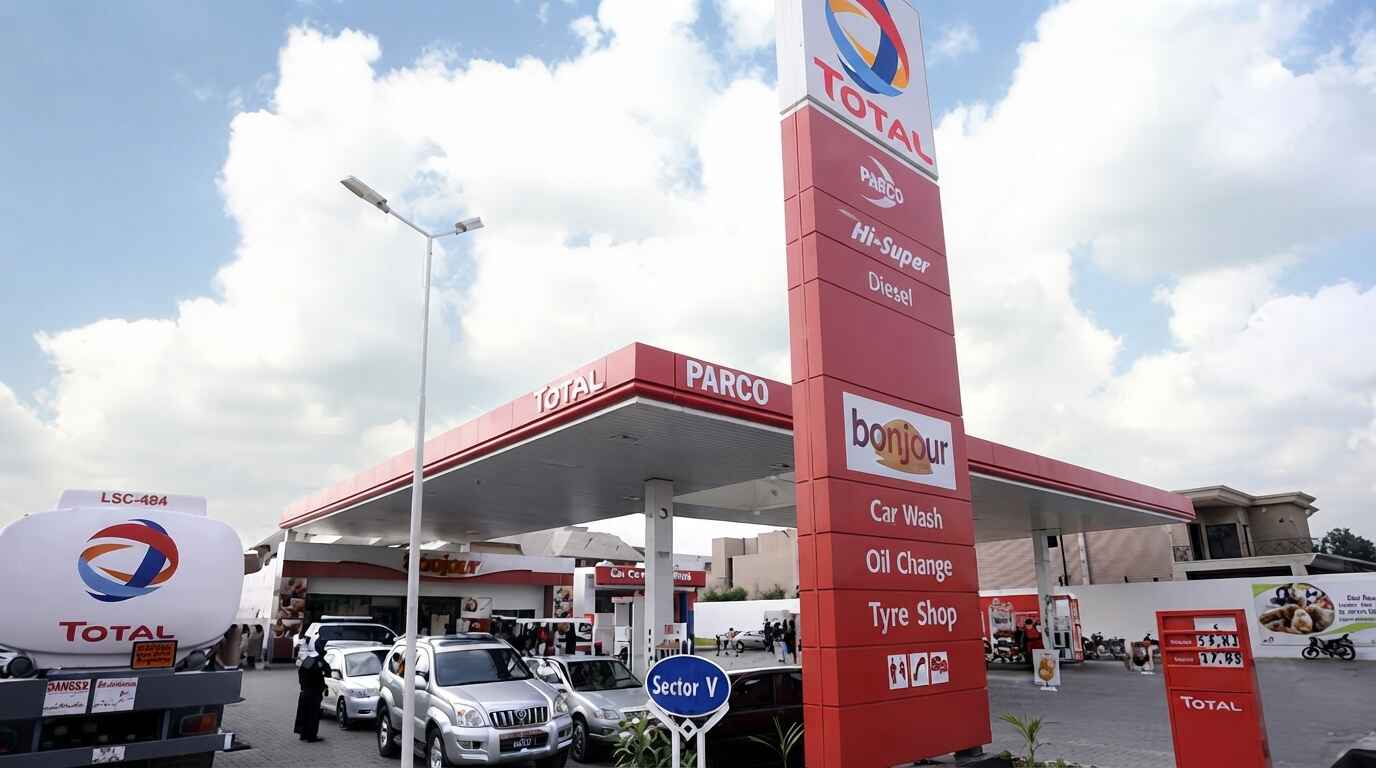
For Pakistan, which has already raised petrol and diesel prices twice in recent weeks and introduced a relief scheme for motorcycles and small vehicles specifically because of this Middle East volatility, a sustained rise toward or beyond $107 a barrel would add further pressure on an import bill already stretched by the ongoing crisis.