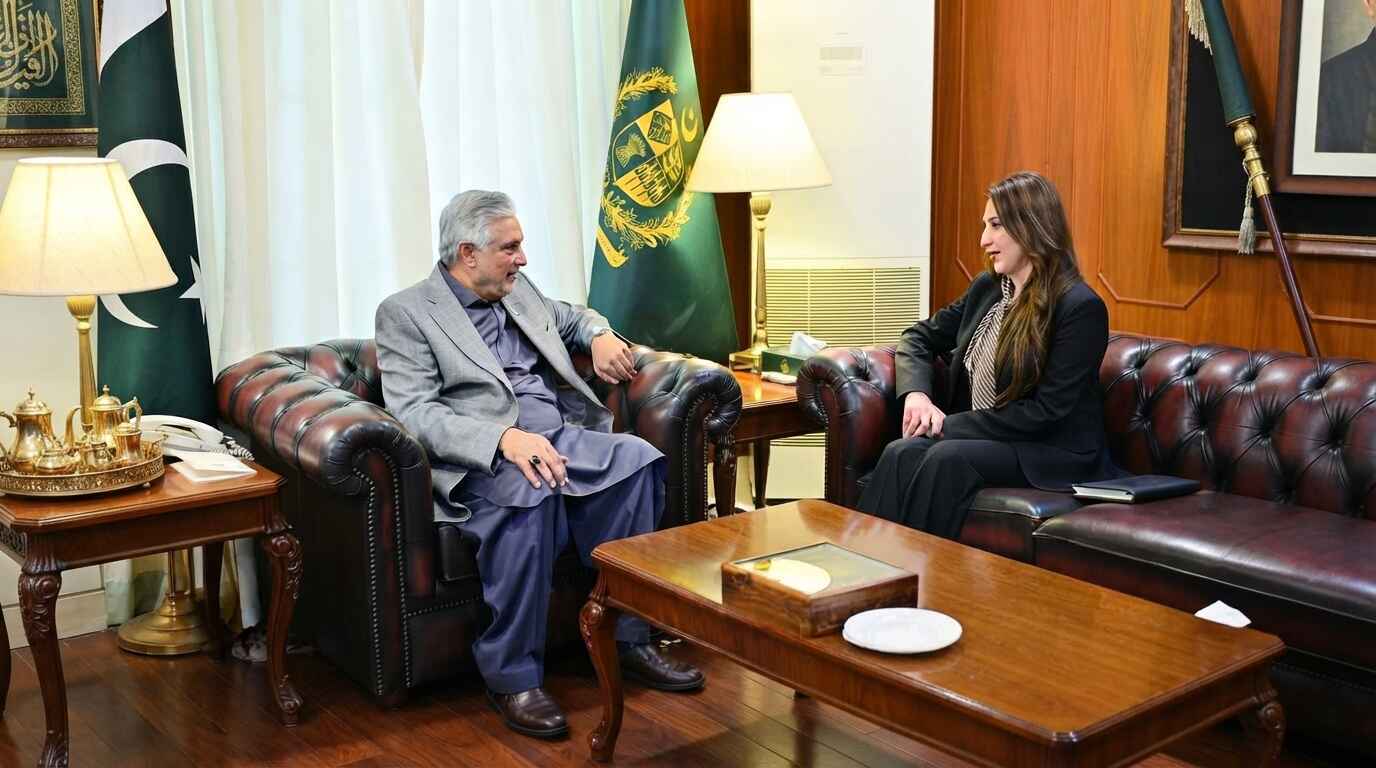
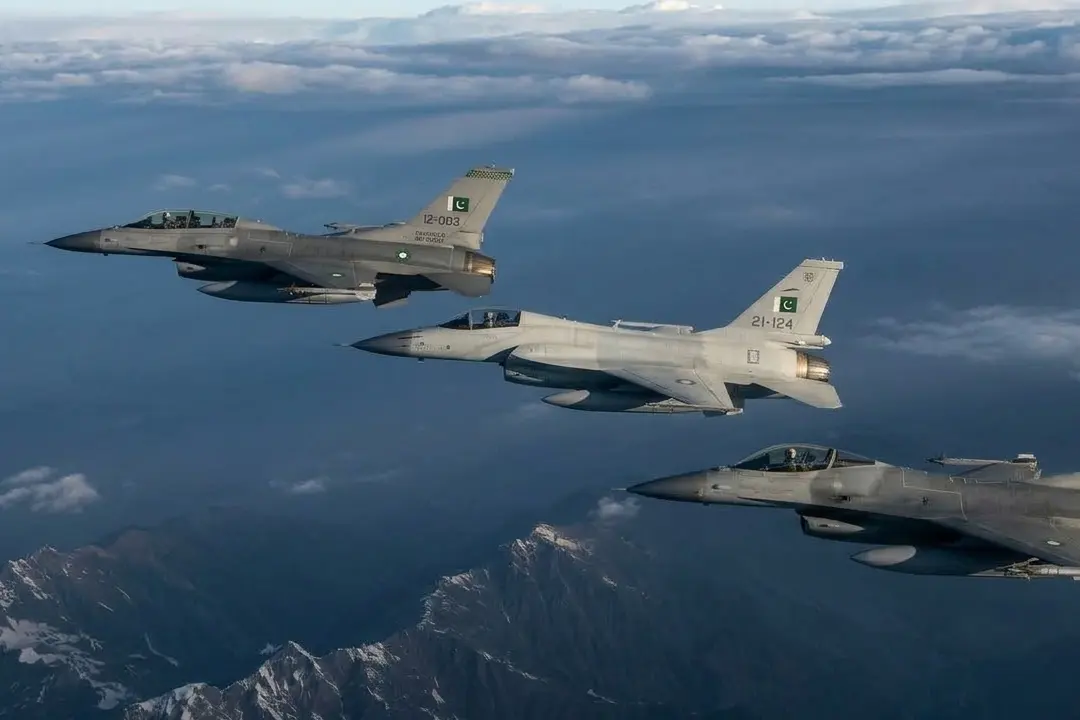
Pakistan carried out precision aerial and drone strikes against 10 locations inside Afghanistan in the early hours of Thursday, September 24, 2026, according to Federal Minister for Information and Broadcasting Attaullah Tarar. The minister said the strikes targeted sites used to launch and store drones involved in a cross-border incursion a day earlier.
In a statement posted on X, Tarar said Pakistan had exercised its "sovereign right to self-defence" and described the operation as "deliberate, precise, calibrated and proportionate," adding that it was strictly limited to military objectives Islamabad linked to the attempted attacks against Pakistan.
What triggered the strikes
Pakistani security sources said eight drones entered Pakistani airspace from Afghanistan on September 23. Four were brought down in areas near the Torkham border and the remaining four near Kohat. Tarar said Pakistan's air defence systems detected, tracked and neutralised all intruding platforms before they could reach their intended targets.
Tarar described the drone incursion as a "deliberate and unlawful" violation of Pakistan's sovereignty and territorial integrity. He said Pakistan had repeatedly raised concerns with the Afghan Taliban authorities over what Islamabad describes as terrorist sanctuaries and support networks operating from Afghan territory. Tarar accused the Taliban authorities of failing to dismantle those networks and escalating tensions through hostile drone operations.
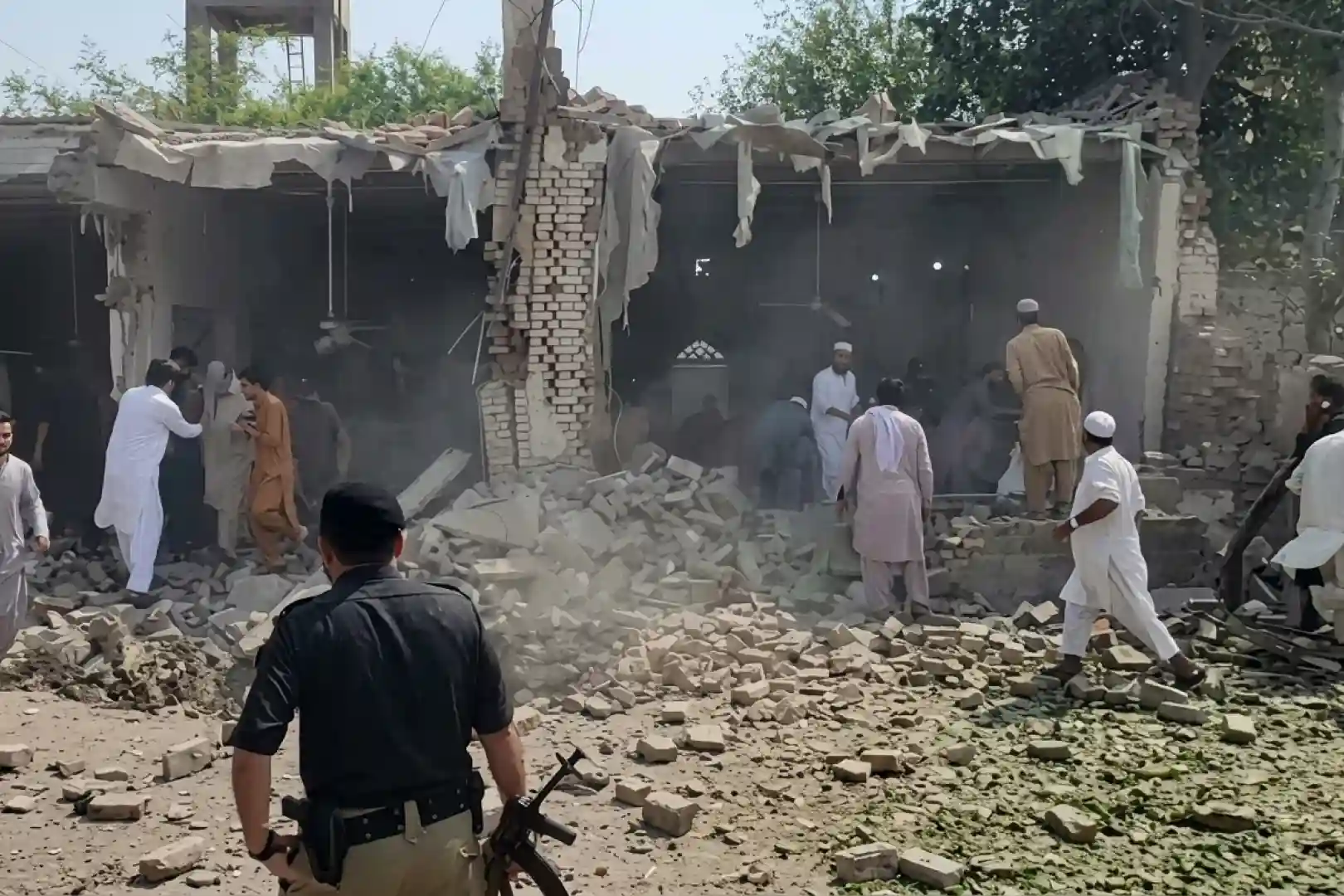
A spokesperson for the governor of Afghanistan's southeastern Khost province, Mustaghfir Gurbaz, confirmed strikes in several areas of the province, according to Reuters. Pakistan has not publicly detailed all 10 locations it says were targeted. A resident in Kandahar told AFP they heard a jet followed by a large explosion and saw a fire in the city centre. No casualty figures from Thursday's strikes have been confirmed by either side.
Kabul's response
There was no immediate official Taliban response to Thursday's strikes at the time of publication. However, Taliban government spokesperson Zabihullah Mujahid had denied on Wednesday, September 23, that Afghan Taliban forces carried out attacks on Pakistan, contradicting Islamabad's account of the drone incursion.
The exchange follows an earlier round of Pakistani strikes in Afghanistan. On September 21, Pakistan said it struck targets in Kunar and Paktika provinces and killed 28 militants. Afghan authorities and the United Nations reported that three civilians were killed and four others were wounded. Afghanistan's Foreign Ministry summoned Pakistan's chargé d'affaires in Kabul and lodged a formal protest over the strikes.
Mujahid condemned the earlier operation and accused Pakistan of repeating what he described as "crimes" against Afghanistan. He also said Afghanistan would give "a fitting response." Pakistan, meanwhile, said its operation targeted militant infrastructure and maintained that threats to its security were originating from Afghan territory.
Wider context
Pakistan-Afghanistan tensions have intensified during 2026 amid repeated cross-border violence and Pakistani military operations against militant targets. Islamabad has accused the Afghan Taliban authorities of allowing militant groups to operate from Afghan territory, while Kabul has rejected Pakistan's accusations and condemned Pakistani strikes inside Afghanistan.
Pakistani authorities have attributed much of the militant violence affecting the country to the Tehrik-e-Taliban Pakistan (TTP) and allied groups. Islamabad says these networks have used sanctuaries in Afghanistan to organise attacks inside Pakistan, an allegation the Afghan Taliban government has repeatedly rejected.
In his statement following the latest strikes, Tarar said Pakistan "does not seek escalation" and remains committed to "regional peace, dialogue and constructive engagement." He added that this position should not be interpreted as weakness and warned that further provocative actions would draw a firm response from Pakistan.