PARIS — A wave of protests that began over teacher shortages and poor school conditions in the suburbs of Paris has grown into a national movement, bringing students, workers and trade unions into the streets as France faces rising living costs and pressure from an international energy crisis.
On October 17, 2026, hundreds of thousands of demonstrators marched across France. Most took part peacefully, but groups involved in violence attacked public buildings, looted businesses and clashed with police in several cities, leaving substantial damage and prompting thousands of arrests.
The Interior Ministry estimated that about 550,000 people joined 110 demonstrations nationwide. Organizers, including trade unions and student groups, put turnout at approximately 800,000.
By October 19, authorities were reporting around 2,400 arrests following the weekend unrest and nearly 1,000 injured police personnel.
Behind the unrest were several overlapping grievances. Students wanted better education and improved conditions in schools. Workers and other demonstrators were concerned about wages, public services and household expenses. Rising fuel prices, linked in part to the international energy crisis around the Strait of Hormuz, added to those economic concerns.
How the School Protests Began in the Paris Suburbs
The student movement began gaining momentum in mid-to-late September, with protests over teaching vacancies at Saint-Exupéry high school in Créteil, southeast of Paris, becoming an early flashpoint.
Reporting differs on the precise date of the school's first protest action. Some accounts identify September 17, while Le Monde's October 5 analysis identifies September 21. The wider pattern is clear: within days, students at other schools in the Paris region began organizing protests of their own.
Students complained that lessons were regularly disrupted because absent teachers were not replaced. Other grievances included overcrowded classrooms, deteriorating school buildings, insufficient support staff and inadequate facilities.
In some schools, even basic conditions such as the availability and cleanliness of toilets had become part of the dispute.
Students also raised objections to Parcoursup, the system used to apply for university and other higher education places in France. Some argued that it created additional uncertainty over their educational futures.
The protests were especially visible in working-class suburbs, where students and education unions argued that shortages of resources reinforced existing inequalities between schools.
Demonstrators organized temporary blockades, walkouts and marches. The movement was therefore broader than a conventional school boycott.
By the beginning of October, disruptions had affected hundreds of high schools, and the issue had become a national debate about educational standards, equal opportunity and the government's responsibility for public services.
Why the Strait of Hormuz Oil Crisis Added Economic Pressure
While French students were demanding improvements to education, rising international energy costs were placing additional pressure on households and businesses.
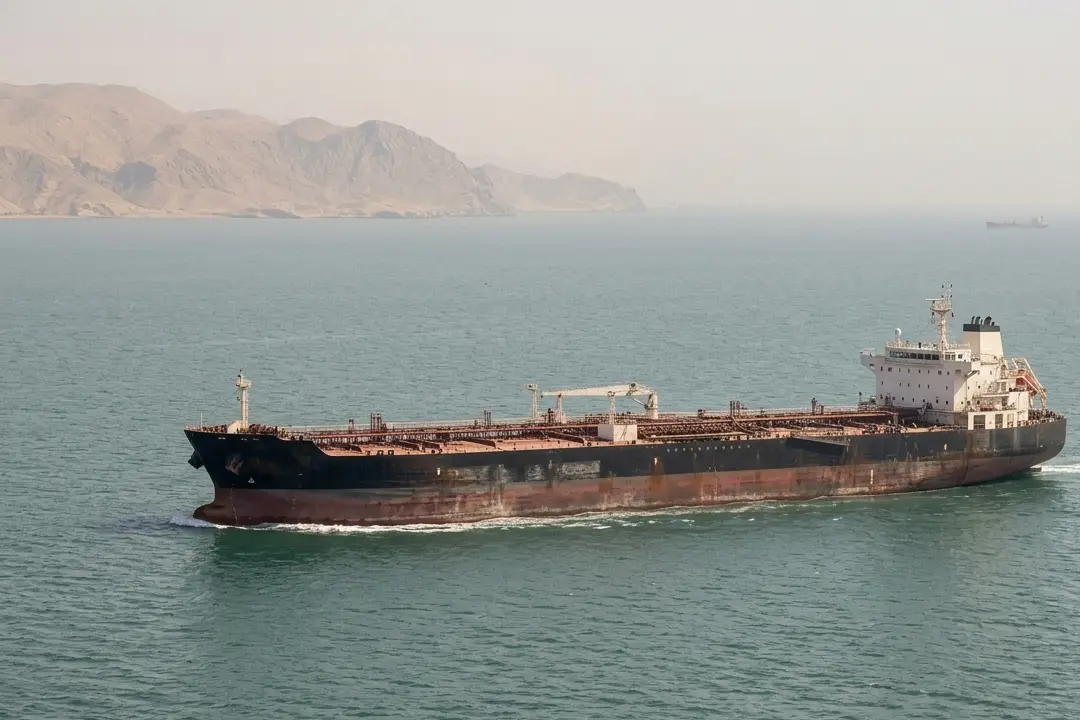
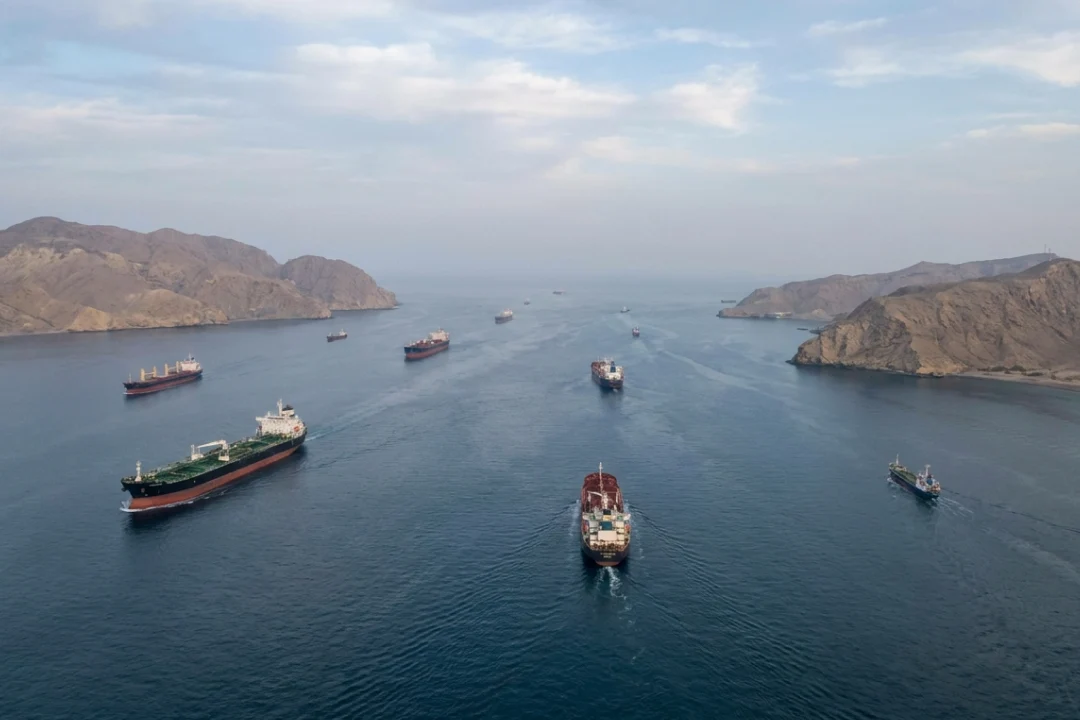
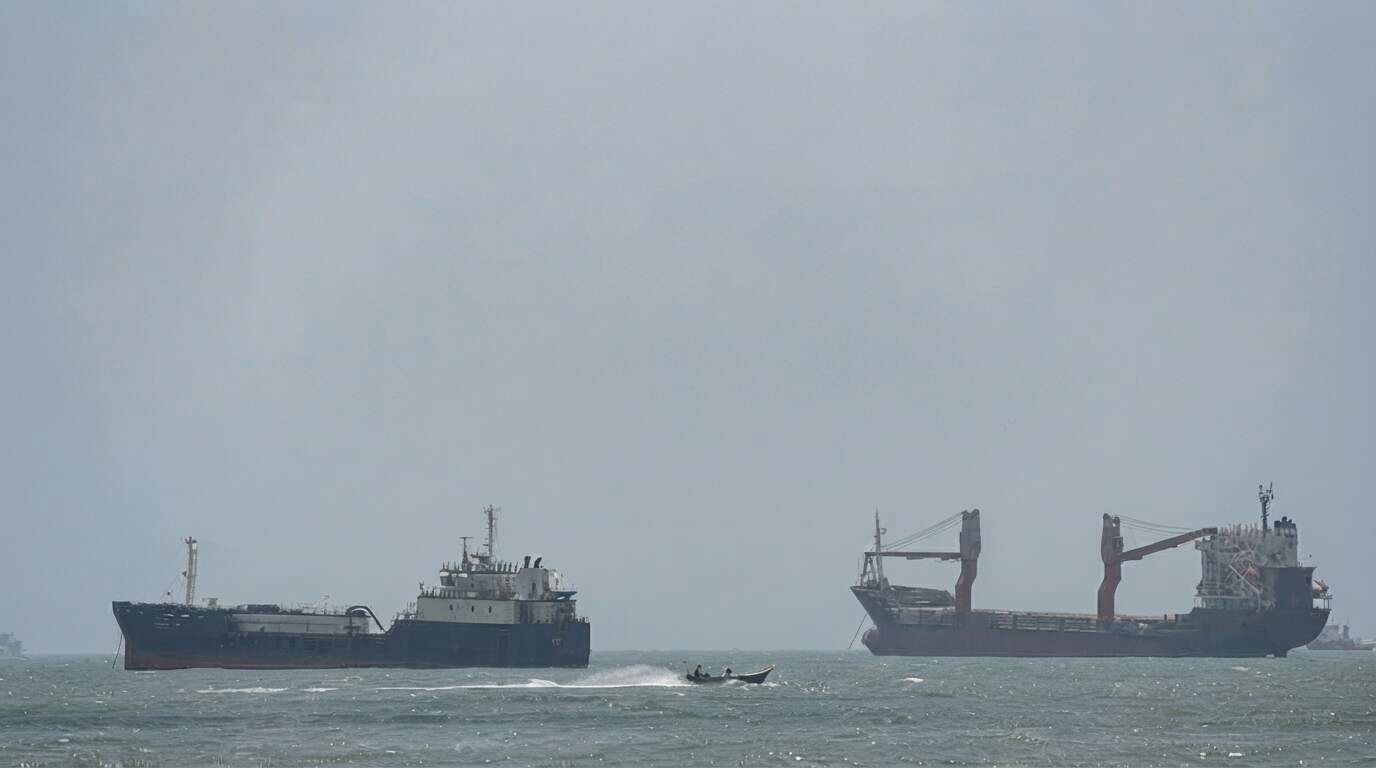
The Strait of Hormuz connects the Persian Gulf with the Gulf of Oman and serves as a major route for international oil and gas shipments. Attacks and disruptions affecting shipping during the wider Middle East conflict increased uncertainty over energy supplies, transportation and insurance costs.
The French government explicitly connected the situation in the Middle East with rising fuel prices when President Emmanuel Macron convened a G7 meeting on October 2.
According to the French presidency's statement on the meeting, G7 leaders agreed to coordinate efforts to restore freedom of navigation in the Strait of Hormuz, increase refinery output and mobilize up to 100 million barrels of petroleum products from strategic reserves over four months.
On October 7, France announced that it would put 10 million barrels of diesel from its strategic reserves onto the market.
According to the French Finance Ministry's announcement, the measure was expected to lower diesel prices by 12 to 18 euro cents per litre. That was a projected price effect, not confirmation that every consumer had already received the full reduction.
Higher fuel prices became one of the complaints raised by people participating in France's broader cost-of-living demonstrations.
However, the connection needs to be understood correctly. The Hormuz crisis did not directly trigger the original school protests, and there is no evidence that it alone caused the October riots. Its relevance lies in the additional economic pressure that helped bring different grievances into the same public debate.
Why Students, Workers and Yellow Vest Supporters Joined the Same Demonstrations
The October 17 mobilization marked a turning point because groups protesting different problems increasingly appeared together.
Student organizations demanded more teachers, better facilities and increased funding for schools. Trade unions called for higher wages and pensions, protection of public services and relief from rising prices.
Supporters of the Yellow Vest movement also joined the protests. The movement emerged in 2018 amid opposition to fuel-tax increases and broader concerns about economic inequality and living costs.
According to Euronews reporting on October 17, student-led demonstrations and trade union-backed protests in Paris had initially been planned separately.
As participants gathered, the groups converged around Place de la République, where demands over school funding, wages, public services and living standards overlapped.
The General Confederation of Labour, known as CGT, was among the unions supporting the mobilization.
These groups did not have identical demands or a single leadership structure. Their convergence reflected shared dissatisfaction with economic conditions and public services rather than the emergence of one organization controlling every demonstration.
What Happened During the October 17 Unrest?
The scale of the demonstrations was substantial, but the violence that accompanied them must be distinguished from the largely peaceful participation of hundreds of thousands of people.
Reuters reported that groups involved in violence attacked public buildings, looted businesses and targeted police, while large numbers of demonstrators marched peacefully in cities across France.
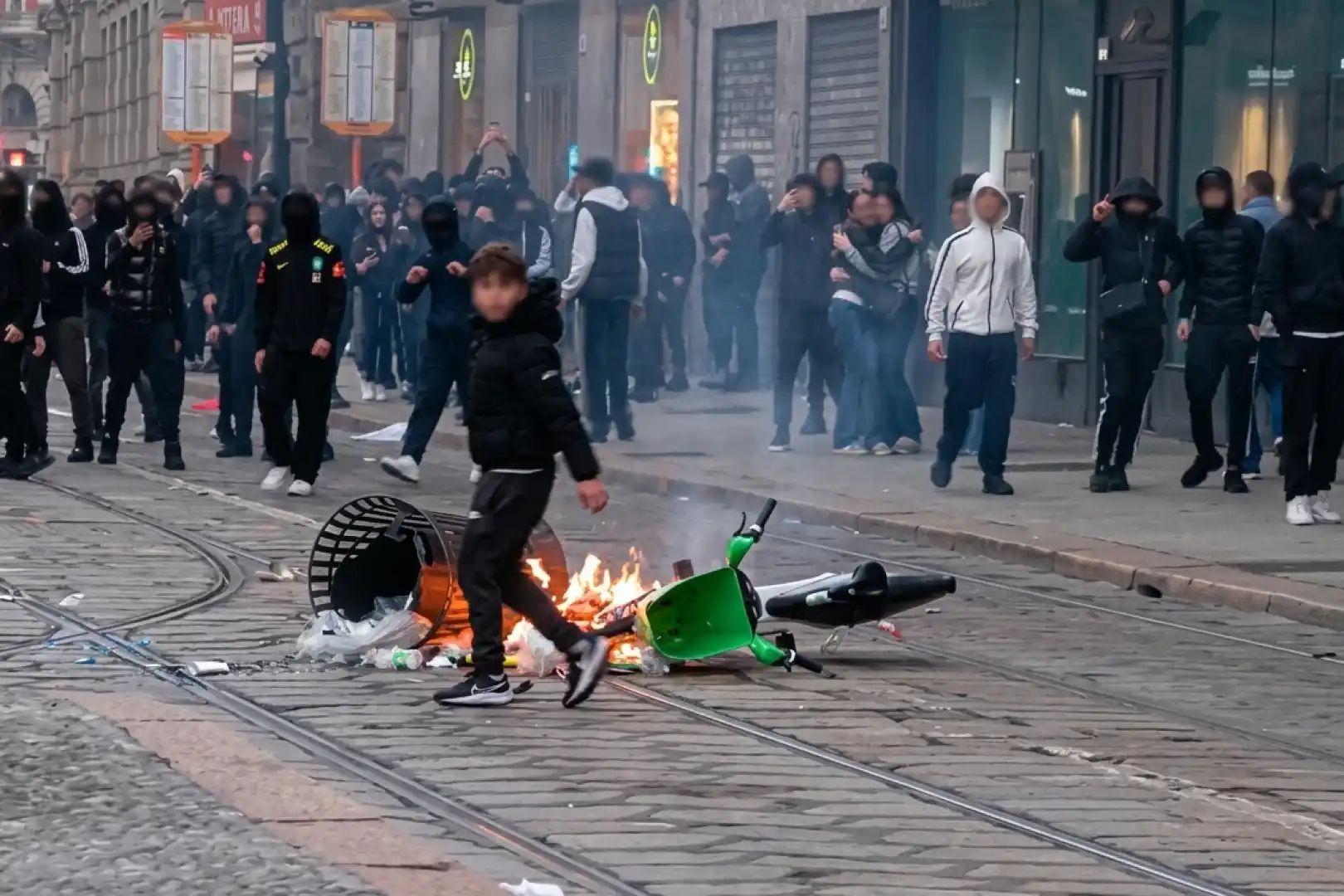
In Paris, clashes erupted around Place de la République and other central locations. Police deployed tear gas and water cannons as masked individuals threw objects, erected burning barricades and damaged shops.
In Limoges, the historic city hall was set on fire. In Marseille, people forced their way into city hall and damaged the building. In Lyon, the tourist office was set ablaze. Bordeaux and several other cities reported attacks on public property and businesses.
The figures reported during the unrest changed as authorities gathered more information.
Associated Press initially reported approximately 400 arrests on October 17. Later reporting that evening placed arrests at more than 1,200. By October 18 and 19, the reported total had risen to approximately 2,400, with nearly 1,000 police personnel injured.
One person also died after suffering a cardiac arrest during the Paris demonstrations. Available reporting did not establish that the death resulted from a police intervention.
Authorities and business representatives reported extensive damage to shops and other premises. Approximately 3,000 businesses were reported to have been affected by the weekend's violence.
These incidents were serious, but the actions of people involved in arson, looting or attacks should not be attributed to all demonstrators.
Why Police Conduct Is Facing Scrutiny
The unrest has also intensified concerns about the French police response to demonstrations, particularly those involving teenagers.
During several weeks of school protests, reports emerged of young demonstrators suffering severe injuries linked to riot-control weapons.
On October 17, authorities opened an investigation after a young protester lost a hand in Saint-Étienne. Interior Minister Laurent Nuñez declined to confirm media reports that the injury had been caused by a police grenade.
The incident followed earlier reports of serious injuries among high school demonstrators, including cases involving police stun grenades.
Police representatives have said officers faced attacks involving projectiles, improvised barricades and assaults. Student groups, lawyers and civil-rights advocates have raised concerns about whether the level of force used in some incidents was proportionate.
The cause of each serious injury and any potential misconduct must be determined through the relevant investigations. Accounts of police violence should not be treated as proven findings before those investigations are complete.
What Measures Has the French Government Announced?
The government has responded through education measures, energy-market intervention and tighter security arrangements following the riots.
On October 8, Education Minister Édouard Geffray announced plans to deploy more than 3,000 substitute teachers to high schools facing urgent staffing shortages.
The announcement was a commitment to assign available teachers, not confirmation that all schools had received suitable replacements. By October 14, the minister said roughly two-thirds of the available substitutes had been assigned, while questions remained about whether their teaching subjects matched schools' requirements.
According to Le Monde's investigation into the staffing announcement, the government had identified 3,024 available replacement teachers, but the assignments would not necessarily cover every missing teacher in the required subject.
The Education Ministry also launched a student consultation covering school conditions, staffing, schedules and other concerns. Students were invited to submit their experiences and proposals until October 23.
On energy, the government announced its 10-million-barrel diesel release as part of broader international efforts to reduce pressure on fuel prices.
Following the October 17 violence, authorities introduced targeted security restrictions and overnight curfews in parts of several cities, including Paris.
The measures were localized rather than a nationwide state of emergency.
Reuters reported on October 19 that Macron had rejected Interior Minister Nuñez's offer to resign and demanded improvements in the security response.
Prime Minister Sébastien Lecornu attributed some of the violence to ultra-left groups and criminals. Opposition leader Jean-Luc Mélenchon challenged the government's account and called for evidence.
Political allegations about who organized the violence remain disputed. Participation in a peaceful demonstration does not establish responsibility for criminal acts.
What Remains Unresolved?
The government's announcements have not settled the disagreements that brought different groups into the streets.
Students continue to demand adequate staffing, better facilities and more equal educational opportunities. Trade unions are pressing for improvements in wages, pensions and purchasing power.
France's public finances also constrain the government's ability to respond to demands for increased spending.
As of October 19, further union and student mobilization remained possible, with protest groups calling for continued action. The timing and scale of any future demonstrations were not yet established.
The unrest shows how a dispute that began around school conditions can become part of a wider national movement when economic pressures and frustrations over public services converge.
The international oil crisis contributed to the economic environment, but the protests also reflected longstanding domestic concerns. For the French government, the immediate challenge is to protect public safety while addressing the issues raised by peaceful demonstrators.