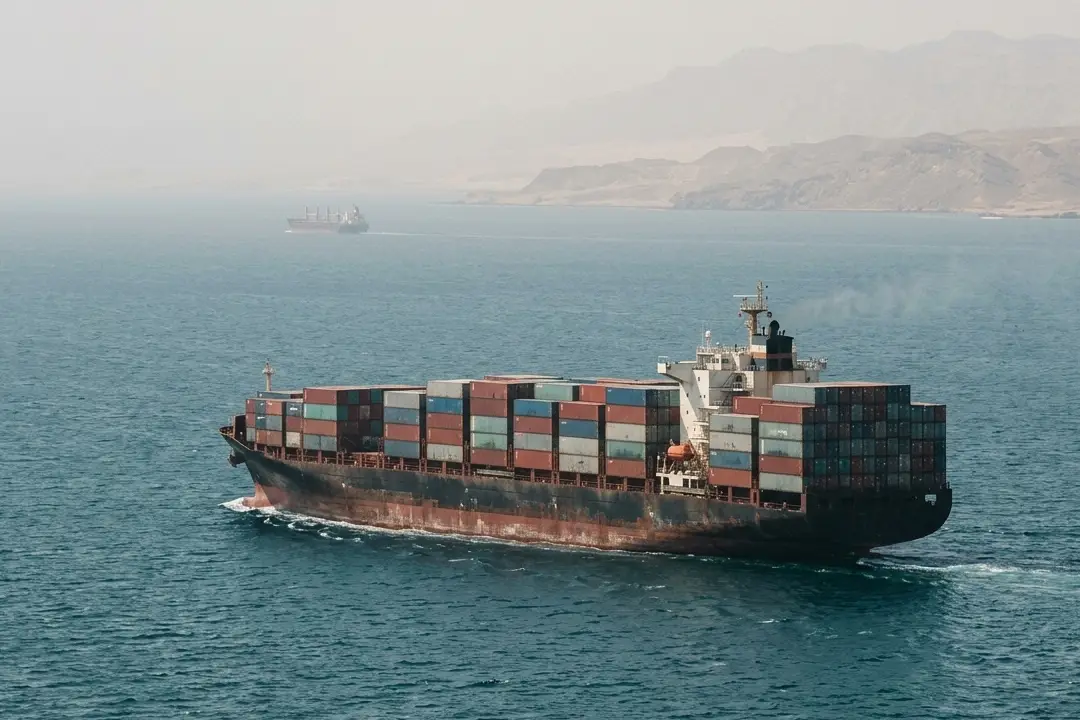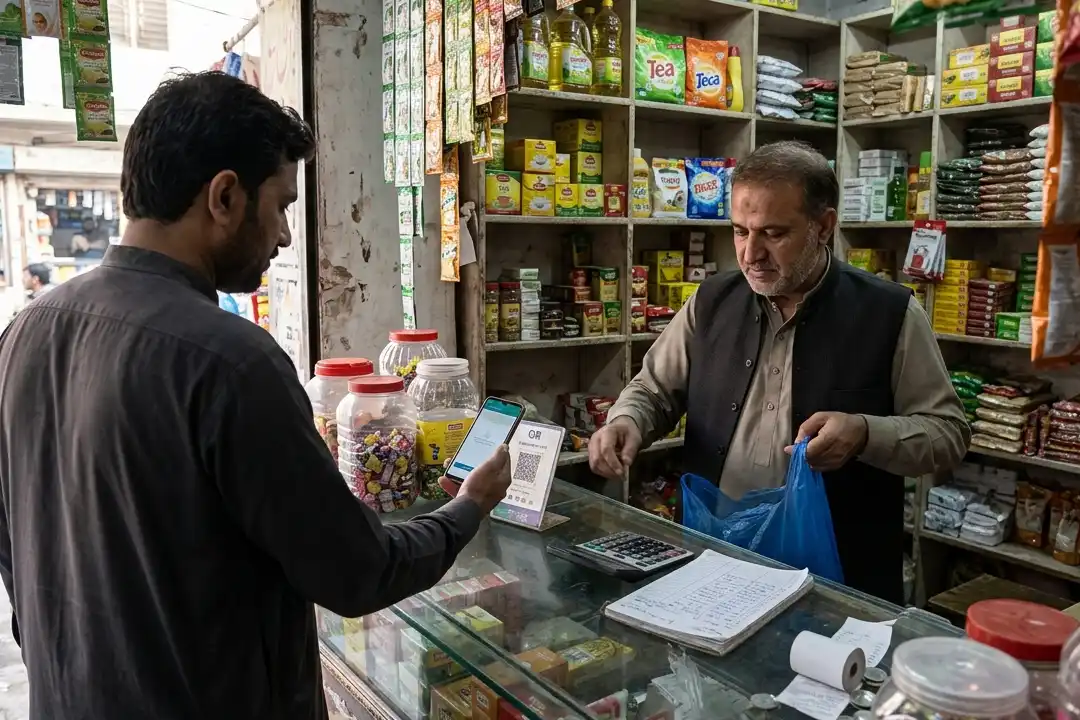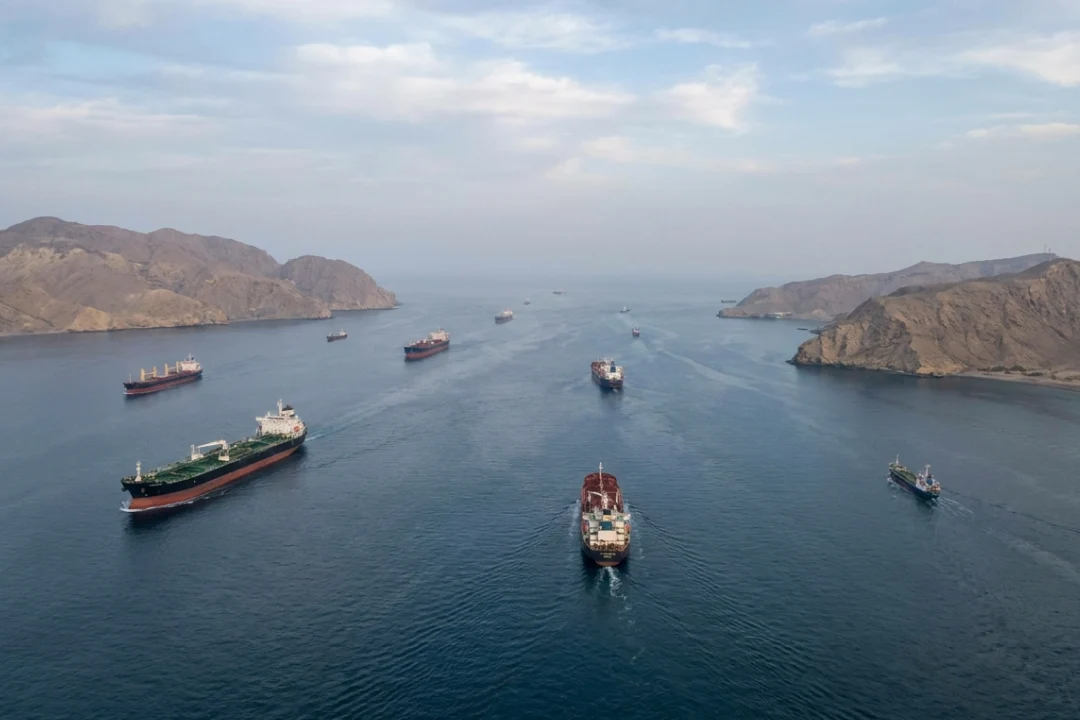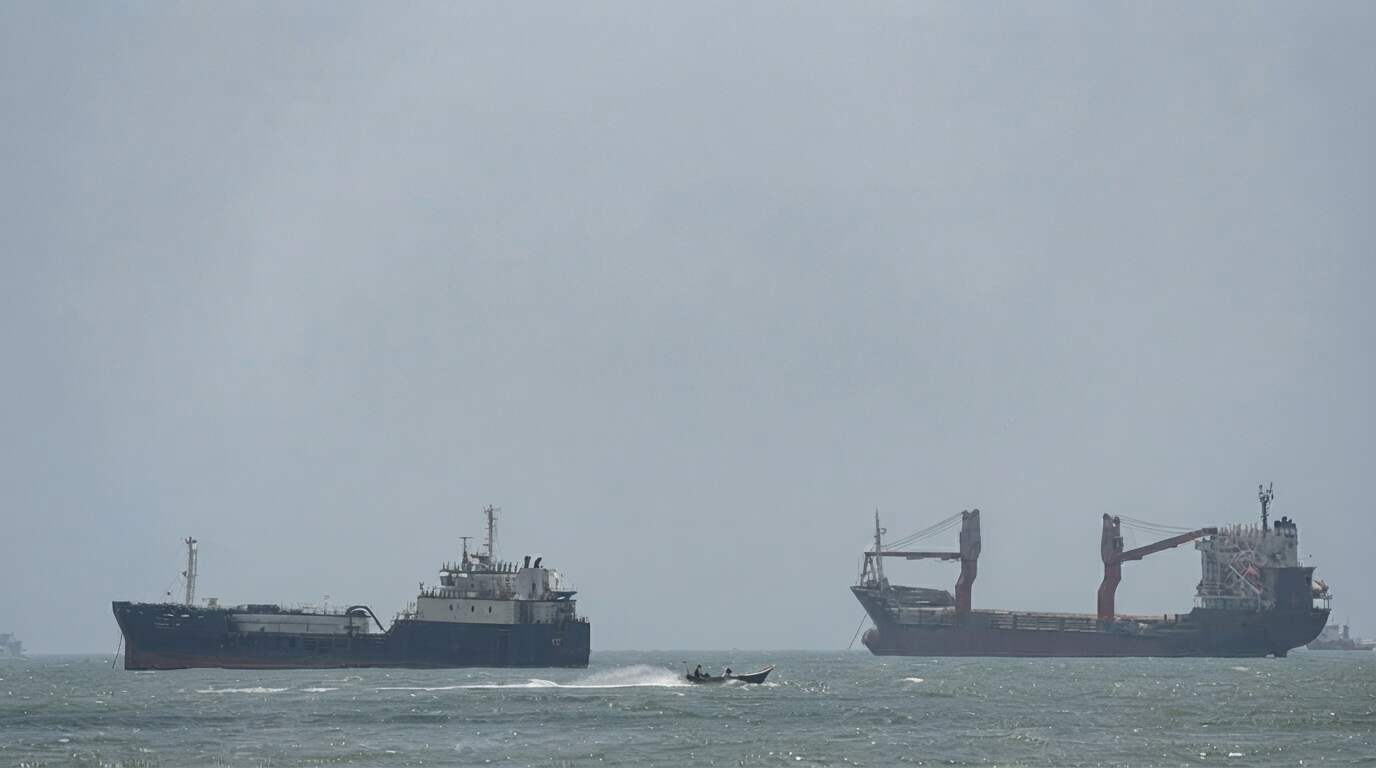
Energy shipments through the Strait of Hormuz are recovering, but Pakistan remains exposed to disruption at one of the world's most important oil and gas transit routes.
The reason is that more tankers moving through the strait does not necessarily mean the wider energy supply chain has returned to normal. Freight costs, marine insurance, LNG availability, global energy prices and the possibility of renewed disruption can remain important even while more cargoes are getting through.
For Pakistan, that distinction matters. The Petroleum Division said in March that the majority of the country's energy supplies transit through the Strait of Hormuz, making conditions around the waterway directly relevant to Pakistan's energy security.
Pakistan has already sought alternative crude arrangements, adjusted energy-import financing and diversified some sourcing. These measures show that the country's exposure extends beyond the simple question of whether Hormuz is open to shipping.
Energy cargoes are moving through Hormuz again
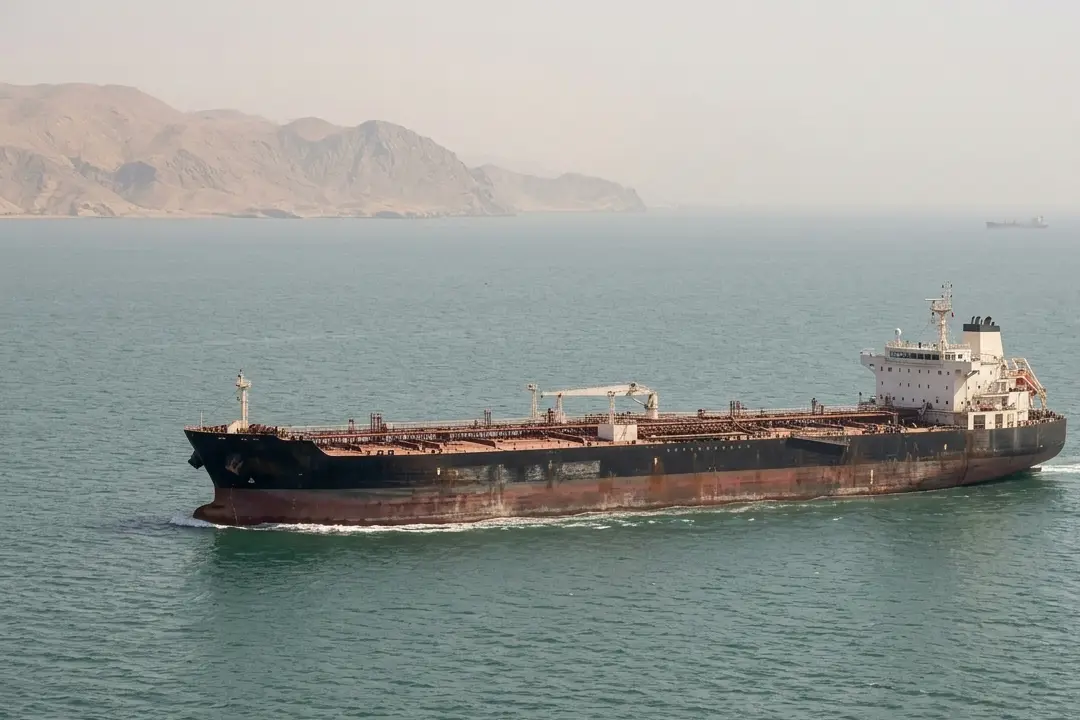
Energy traffic through the Strait of Hormuz has recovered significantly from the most severe disruption earlier in the conflict.
Reuters reported on October 5 that crude exports through Hormuz had rebounded to about 14.2 million barrels per day, equivalent to roughly 80% of pre-war levels.
LNG traffic has also increased. September recorded the highest monthly number of LNG shipments through Hormuz since the war began, according to vessel-tracking data reported by Reuters. S&P Global Energy counted 19 LNG shipments during the month, while Kpler counted 21.
Qatar accounted for 13 of the 19 September shipments identified by S&P Global Energy. The increase was significant, but September LNG traffic remained well below pre-war levels.
The recovery should therefore not be confused with a complete return to normal conditions. Energy cargoes can continue moving through a maritime chokepoint while shipowners, insurers and buyers face elevated costs and security risks.
Why Pakistan is directly exposed to Hormuz
Pakistan's exposure is not hypothetical. In a March statement, the Petroleum Division said the majority of Pakistan's energy supplies transit through the Strait of Hormuz.
The statement came as Pakistan sought Saudi support for an alternative crude supply route through the Red Sea port of Yanbu. The Petroleum Division said Saudi sources had assured support for supplies through Yanbu, including arrangements for a vessel to lift crude oil from the port for Pakistan.
The effort did not mean Pakistan had replaced Hormuz as a major Gulf energy route. Instead, it demonstrated why alternative access becomes important when a large part of the country's energy supply chain is exposed to disruption around a single maritime chokepoint.
Pakistan can also be affected even when its own cargoes continue moving. Disruption in the Gulf can influence international oil and LNG prices, tanker availability, freight rates and marine insurance across the wider market.
LNG remains an immediate pressure point for Pakistan
Pakistan's LNG requirements provide one of the clearest examples of how physical transit and supply availability can become separate problems.
Pakistan decided to seek three LNG cargoes from Qatar for October as uncertainty over supplies through Hormuz continued, according to an October 6 report citing officials.
The report said QatarEnergy had extended force majeure affecting LNG supplies to Pakistan until November 4. Pakistan had managed to arrange two Qatari LNG cargoes in September while authorities worked to facilitate supplies.
The October requirement does not establish that Pakistan faces a nationwide gas shortage, nor does seeking three cargoes guarantee that all of them will arrive as planned.
It does, however, show the country's continuing exposure to Gulf LNG availability and transit conditions as authorities prepare for higher seasonal energy demand.
Pakistan also has access to supply arrangements beyond its long-term Qatari contracts. But alternative or spot procurement can involve different prices and commercial terms, meaning access to another supplier does not automatically remove the cost or operational consequences of disruption to contracted supplies.
A moving tanker does not mean a cheap tanker
The recovery in crude flows through Hormuz highlights an important distinction between physical supply and the cost of transporting that supply.
Reuters reported on October 5 that crude exports through Hormuz had recovered to about 14.2 million barrels per day. At the same time, tanker freight costs on Middle East-to-Asia routes had risen above $1.2 million per day.
That figure is a broader tanker-market indicator and should not be interpreted as the daily freight bill for a specific Pakistan-bound crude shipment.
It nevertheless illustrates why higher energy flows do not necessarily restore pre-disruption shipping economics. Tanker availability, operational restrictions, security conditions and insurance can keep transport costs elevated even as more oil moves through the waterway.
For Pakistan, improved physical access to Gulf supplies therefore does not by itself establish that imported energy is arriving under normal freight conditions.
War-risk insurance is another cost, not a Pakistan fuel surcharge
Marine war-risk insurance is another part of the cost of operating around a conflict-affected shipping corridor.
In a July 22 market snapshot, insurance brokerage Marsh told S&P Global Energy that additional war-risk premiums for ships transiting the Strait of Hormuz had risen from around 1%-3% of hull value several weeks earlier to approximately 7.5%-10% as attacks intensified and insurers became less willing to provide spot coverage.
Those July percentages should not be treated as current October rates or as a Pakistan-specific fuel surcharge. They describe marine insurance conditions observed at that point in the conflict and can change as security conditions and underwriting capacity change.
They also do not mean Pakistan was paying an additional 7.5%-10% on the value of its petroleum imports. Marine war-risk premiums are associated with shipping and insurance arrangements rather than representing a percentage automatically added to Pakistan's fuel-import bill.
The cost faced by an individual voyage can depend on the vessel, ownership, route, insurer, security situation and terms of the underlying shipping contract.
War-risk insurance should therefore be kept separate from tanker freight rates, the market price of oil or LNG, government taxes and the final retail price paid by Pakistani consumers.
Without shipment-level evidence, it would be misleading to calculate a specific rupee-per-litre impact for Pakistan from international marine insurance percentages alone.
Pakistan has already looked for routes around the risk
The government's effort to secure crude through Saudi Arabia's Yanbu port shows one way Pakistan has tried to reduce immediate exposure to disruption around Hormuz.
Yanbu is on Saudi Arabia's Red Sea coast, allowing crude lifted there to reach international shipping routes without passing through the Strait of Hormuz.
In its March statement, the Petroleum Division said Saudi Arabia had assured support for supplies through Yanbu and that Pakistan hoped crude from the port would be prioritised for the country.
Pakistan's private refining sector has also diversified some crude sourcing.
Reuters reported in August that Cnergyico had imported about 8.1 million barrels of US crude over nine months as Pakistan sought to diversify energy supplies following disruption to Gulf routes. The purchases also formed part of wider commercial and trade considerations.
The shift does not mean US crude has replaced Gulf oil for Pakistan. It shows instead how refiners can diversify sourcing when price, reliability, security and other commercial considerations make alternative supplies attractive.
Keeping fuel imports moving also requires financing
Pakistan's response to the disruption has not been limited to ships and ports.
On April 23, the State Bank of Pakistan amended foreign-exchange instructions to facilitate imports of crude oil, petroleum products and LNG in view of the geopolitical situation.
The central bank allowed authorised dealers to issue financial instruments for crude oil and petroleum-product imports when an import contract is registered. It also delegated the issuance of standby letters of credit for imports of crude oil, petroleum products and LNG.
The measures illustrate another part of energy-import resilience. Access to a supplier and a vessel is not enough on its own. Importers also need functioning banking and payment arrangements to complete transactions during periods of unusual market stress.
The SBP measures do not establish the size of any additional import cost. Their significance is that Pakistan adjusted part of its financial framework specifically to facilitate energy imports during the geopolitical disruption.
What renewed Hormuz disruption could mean for Pakistan
Pakistan's exposure can be understood through four separate channels.
Physical supply: renewed restrictions or attacks could make it harder for crude oil, petroleum products or LNG cargoes to move through the strait.
Commodity prices: fears of disruption to Gulf exports can affect international oil and LNG prices even when a particular Pakistan-bound vessel continues to sail normally.
Freight and insurance: tanker charter rates and marine insurance can become more expensive when shipowners, crews and insurers face greater risk.
Replacement supply: if contracted cargoes are delayed or unavailable, securing alternatives can involve different prices, routes and commercial terms.
These channels can overlap, but they should not be treated as the same cost. A higher international oil price is different from a tanker freight increase, while an insurance premium is different from the cost of replacing an unavailable LNG cargo.
For the same reason, current evidence does not establish how many rupees per litre of Pakistan's petrol or diesel price can be attributed specifically to maritime war-risk insurance.
Recovery does not mean the risk has disappeared
The current Hormuz picture is more complicated than describing the strait as either closed or fully normal.
Crude flows have recovered substantially and LNG vessels are again making transits. Pakistan arranged two Qatari LNG cargoes in September and is seeking additional supplies for October.
Those developments have eased some of the immediate physical-supply pressure seen during more severe disruption. But the economics and security of moving energy through the region have not necessarily recovered at the same pace.
Tanker freight remains elevated, while the sharp war-risk insurance figures recorded earlier in the conflict demonstrate how quickly maritime costs can change when security deteriorates. Pakistan is also still working to secure LNG supplies while maintaining alternative crude options.
Pakistan's exposure is therefore no longer simply a question of whether an oil or LNG tanker can pass through the Strait of Hormuz.
The more important question is whether the country's energy supplies can continue moving through or around the corridor reliably, in sufficient volumes and at a manageable cost.