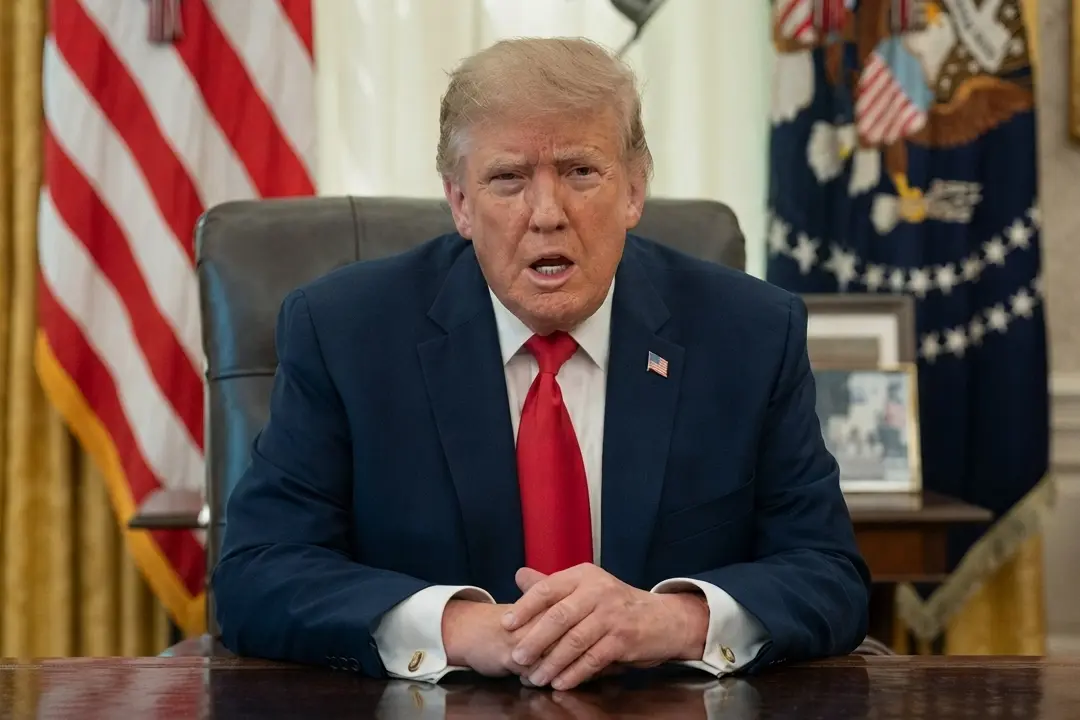
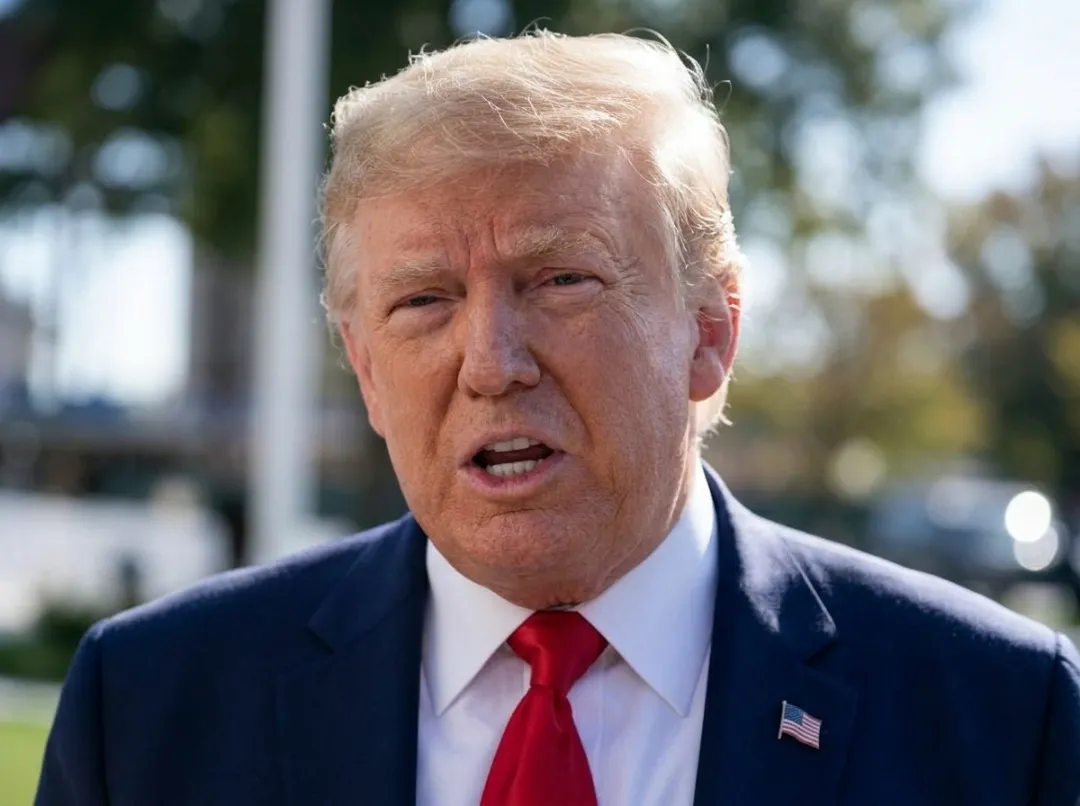
WASHINGTON / ISLAMABAD: United States President Donald Trump said on Friday that Washington has the capacity to bring the war with Iran to a rapid close, while openly questioning whether his administration should push for an immediate conclusion or allow the conflict to gradually wind down on its own.
"We could end it very quickly," Trump told reporters on the South Lawn of the White House on October 23 before departing for a trip to Florida, according to a Reuters dispatch. "Do we want to finish it off or just want to let it wither?"
Despite heavy social media speculation following the remark, the US president did not announce a formal ceasefire, an operational pause, or a schedule for diplomatic talks. Instead, his comments highlighted an unresolved strategic debate in Washington over how to manage a war that began on February 28, disrupted Persian Gulf shipping, and kept energy-importing economies like Pakistan under sustained inflationary pressure.
What Trump Said at the White House and What Remains Unresolved
Speaking briefly with the White House press pool prior to boarding Marine One, Trump framed the next phase of the war as a choice between two distinct approaches rather than a settled policy directive. By asking whether the United States should "finish it off" or "let it wither," he contrasted a decisive near-term move (either through intensified pressure or an abrupt settlement) against a longer strategy of attrition and containment.
During the same exchange, Trump insisted that Washington's immediate strategic priorities in the Persian Gulf were already being met, specifically pointing to maritime energy transit.
"We are getting everything we want," Trump said, asserting that oil is moving out through the Strait of Hormuz. Earlier in the week, as reported by Al Arabiya and wire services, Trump told reporters returning from South Carolina that Washington was not currently negotiating with Tehran and accused Iran of trying to drive up global oil prices ahead of the November 3 US midterm elections.
Neither the Pentagon nor the US State Department issued an accompanying operational directive on Friday to indicate any immediate change in US naval or air operations in the Middle East. For international observers and regional mediators, Trump's remarks remain an on-the-record signal of presidential deliberation rather than an enacted policy shift.
Strait of Hormuz Reality Check: Political Claims vs. Maritime Risk
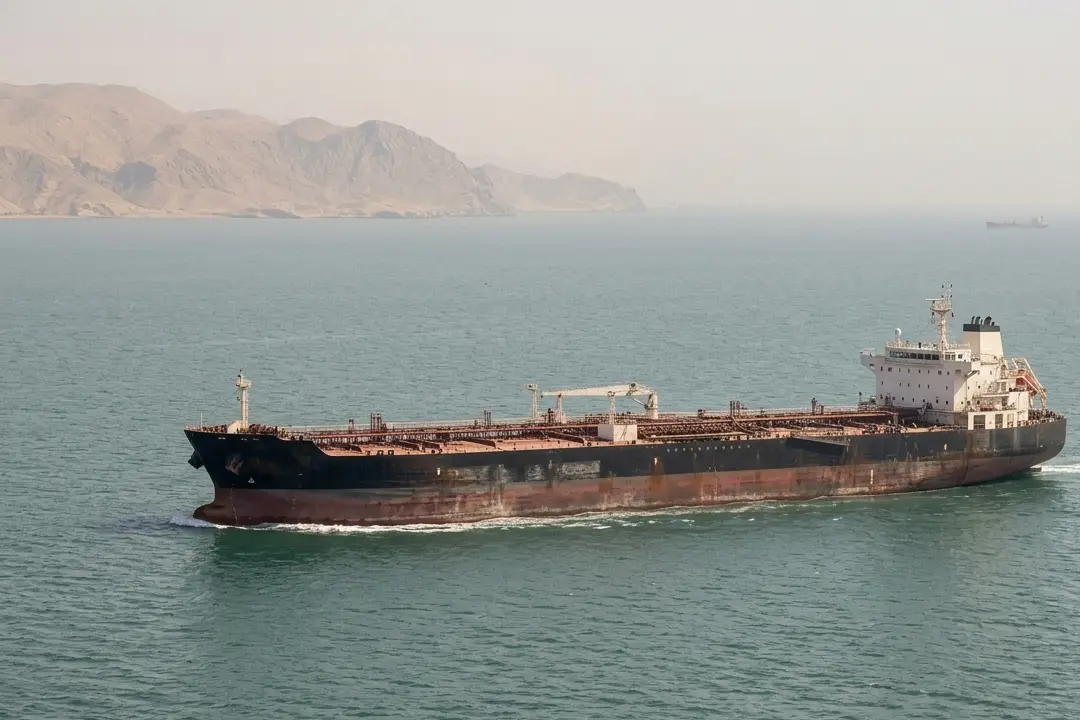
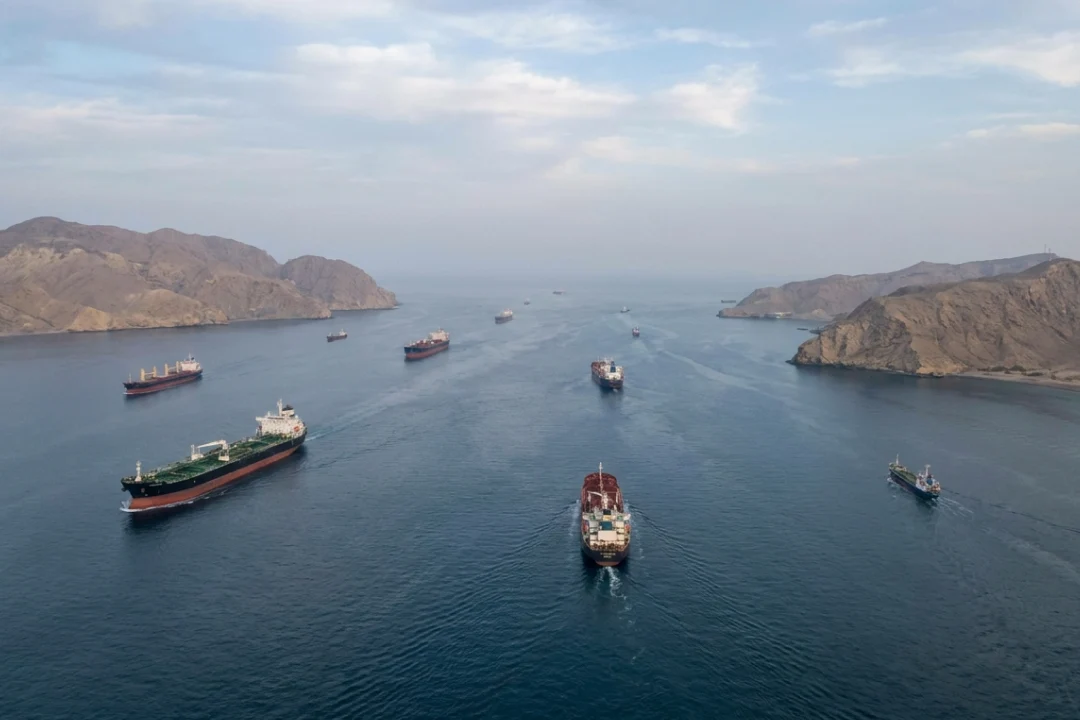
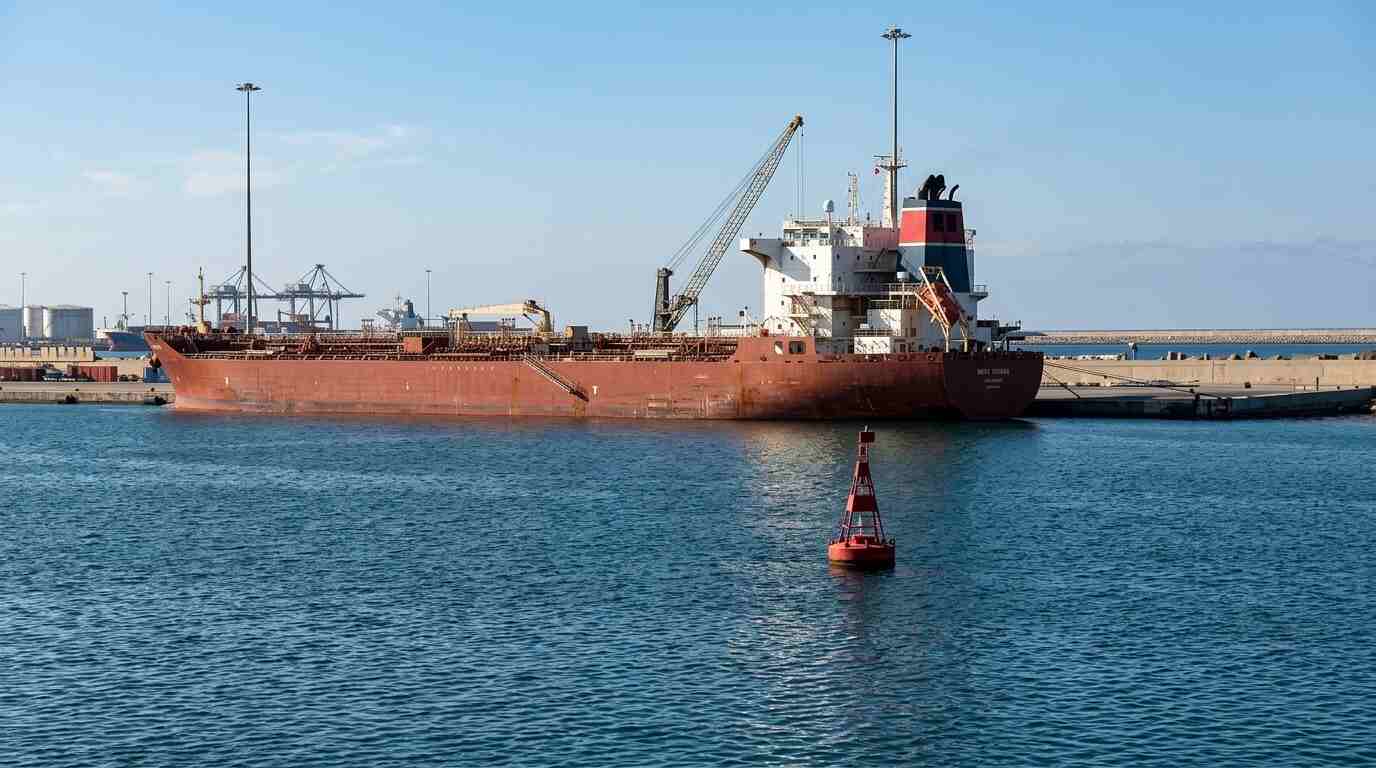
Trump's assertion that oil is flowing through the Strait of Hormuz comes at a precarious moment for regional energy corridors. Before the conflict began in February, the narrow waterway between Iran and Oman carried roughly a fifth of the world's petroleum liquids and a major share of the liquefied natural gas (LNG) and refined fuel cargoes bound for Pakistan and Asian markets.
While commercial tanker traffic has partially recovered from early wartime lows, regional reporting between October 21 and October 23 shows that the maritime corridor remains contested and high-risk:
- Unverified Claims of New Tanker Strikes: On October 23, Iranian state media claimed that seven oil tankers had been struck and damaged in the Strait of Hormuz, which wire reports carried by The Nation described as the largest single-day toll claimed since February 28. The wire report noted that the Iranian claims could not be independently verified and included no confirmed details on vessel flags or casualties.
- Dispute Over the June Islamabad MoU: On October 21, Iranian Foreign Minister Abbas Araghchi stated that shipping through the Strait of Hormuz would continue to face problems until the United States honors its commitments under the June 18 Islamabad Memorandum of Understanding, while noting that indirect communications through mediators Pakistan and Qatar were continuing.
- Naval Escort Warnings and Gulf Spillover: Iran's Islamic Revolutionary Guard Corps (IRGC) warned this week that it would target US bases in the region if the US military continues escorting vessels through Hormuz, while Saudi authorities reported intercepting drones and missiles in Riyadh and Madinah alongside a deadly attack affecting Dammam airport.
As Origin Pakistan examined in its recent analysis of how Pakistan's fuel imports remain exposed to Hormuz risk, physical cargo movement alone does not eliminate higher war-risk insurance premiums, freight surcharges, and supply vulnerability.
Two Strategic Paths: How a Quick End Differs From a 'Withering' Conflict
For regional capitals, the distinction between the two options Trump floated on the South Lawn carries concrete diplomatic and economic consequences.
| Strategic Option | What It Means Operationally | Expected Impact on Pakistan & Gulf Trade |
|---|---|---|
| Quick Conclusion ("Finish It Off") | A rapid move toward either a formal settlement reviving the June diplomatic framework or a decisive short-term push to end active hostilities. | Clearer timeline for secure shipping lanes, lower war-risk freight surcharges, and faster relief for Pakistan's imported energy bill. |
| Gradual Attrition ("Let It Wither") | Scaling back high-profile offensive operations without a formal treaty, leaving sanctions, naval blockades, and periodic maritime skirmishes in place to wear Tehran down over time. | Prolonged uncertainty in the Strait of Hormuz, sustained oil and LNG risk premiums, and continued security friction along the Pakistan-Iran border. |
Why Trump's Dilemma Directly Affects Pakistan
Few non-combatant nations have as much at stake in Washington's choice between a swift settlement and a lingering stalemate as Pakistan. Sharing a 909-kilometre border with Iran in Balochistan and relying heavily on Gulf energy supplies, Islamabad has spent much of 2026 trying to prevent the conflict from hardening into a permanent regional crisis.
1. Islamabad's Mediation Track
Pakistan has served as one of the primary diplomatic intermediaries between Washington and Tehran throughout 2026. After helping broker an interim peace agreement signed in Islamabad in June, Pakistani officials have repeatedly warned that an unresolved standoff risks wider instability.
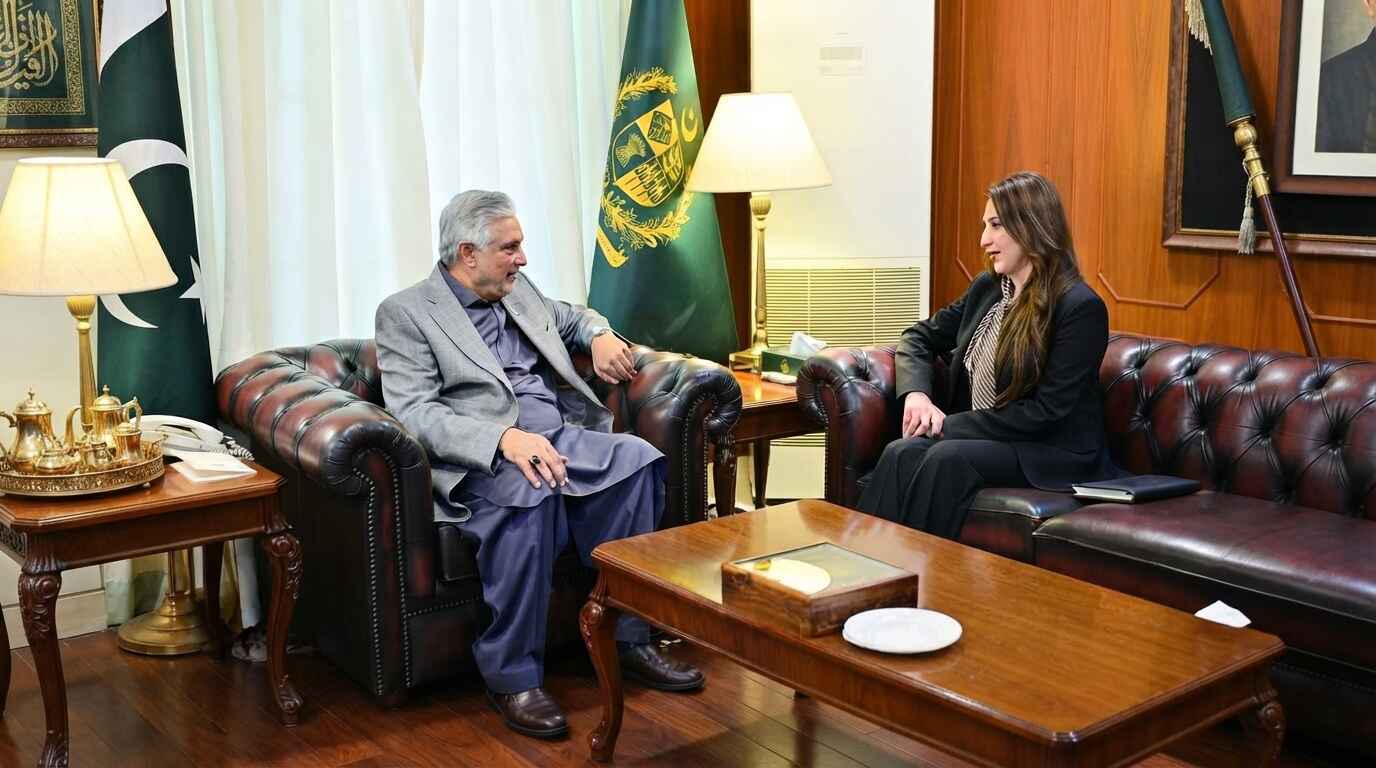
On September 16, Deputy Prime Minister and Foreign Minister Ishaq Dar urged both the United States and Iran to implement the June 18 Islamabad Memorandum of Understanding as talks stalled. High-level outreach continued this week when Chief of Army Staff Field Marshal Asim Munir met Iranian President Masoud Pezeshkian and senior Iranian security officials in Tehran on Tuesday, October 20 to discuss regional mediation efforts. According to Iranian readouts of Tuesday's talks, Tehran maintained that direct negotiations with Washington would not resume until US trust-building steps, including a broader regional ceasefire and sanctions relief, were met.
If Washington opts to let the conflict "wither" without a formal diplomatic agreement, Islamabad's effort to revive the June peace deal and stabilize cross-border trade in Balochistan faces a prolonged stalemate.
2. Domestic Fuel Prices and Inflation
For Pakistani households and businesses, the conflict's most immediate toll has been felt in retail transport fuels and inflation. Under the federal government's frequent fuel pricing adjustments tracked by Pakistan State Oil (PSO) and reported by Profit, prices effective October 23 set petrol at Rs377.71 per litre (down Rs1.60 from October 22) and high-speed diesel at Rs391.75 per litre (up Rs1.64), with the Petroleum Division attributing the changes to global Platts movements, premiums, and incidental costs.
Earlier in the month, the government's October 6 fuel price breakdown pushed petrol as high as Rs393.64 per litre and high-speed diesel to Rs397.76 per litre, alongside an unchanged Rs80 per litre Petroleum Levy and Rs5 per litre Climate Support Levy. Meanwhile, the State Bank of Pakistan's Monetary Policy Committee held its benchmark policy rate at 11.5 percent on September 14 after August headline inflation rose to 11.1 percent, explicitly pointing to elevated energy costs tied to the Middle East conflict.
A conflict left to slowly "wither" rather than formally conclude means marine insurance surcharges, diesel spreads, and crude market volatility are likely to persist, leaving Pakistan's external account and domestic fuel prices vulnerable to every new flare-up in the Gulf.
Read this report in Urdu: ایران جنگ فوری ختم کی جائے یا خود کمزور پڑنے دی جائے؟ ڈونلڈ ٹرمپ کے نئے بیان کے آبنائے ہرمز اور پاکستان پر اثرات