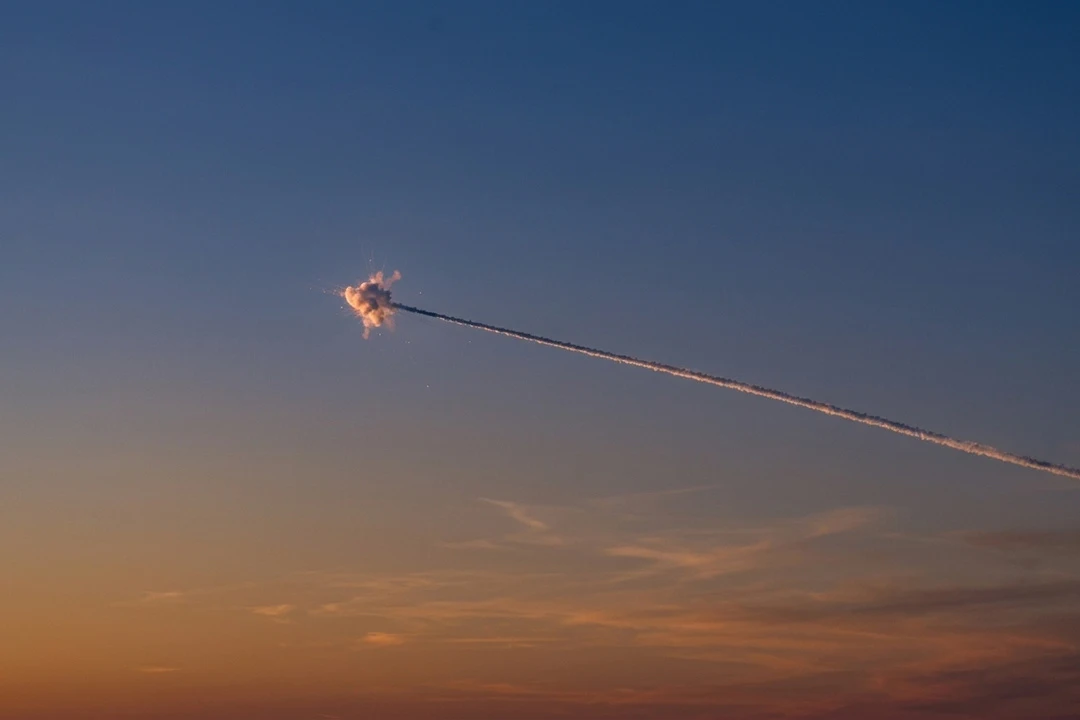
RIYADH — Saudi Arabia's military coalition said on Tuesday, October 20, that it intercepted and destroyed a ballistic missile headed towards Riyadh, attributing the launch to Yemen's Houthi movement.
The announcement came as residents of the Saudi capital received a danger warning and journalists reported hearing explosions. Saudi Civil Defense subsequently announced that the immediate threat had passed.
Major General Turki Al-Malki, spokesperson for the Saudi-led Coalition to Restore Legitimacy in Yemen, confirmed the coalition's account in a statement published by the Saudi Press Agency.
The brief military announcement identified the weapon as a ballistic missile and said it had been intercepted and destroyed while heading towards Riyadh. It did not disclose the exact interception location, the missile's launch site or the air-defence system used.
What Happened During Riyadh's Missile Alert?
Saudi Civil Defense issued a warning through the National Early Warning Platform, alerting people in Riyadh to a potential danger.
AFP journalists in the city reported hearing two explosions during the incident, according to AFP reporting published by Gulf Times on October 20.
The civil defence authority lifted the warning a few minutes later, saying the danger had passed.
Anadolu Agency also reported that authorities advised residents to continue following safety instructions and avoid gathering or filming.
The explosions heard by journalists provide independent evidence that blasts occurred in Riyadh. However, the available reports do not independently establish their precise cause or where the missile was intercepted.
The withdrawal of the alert indicated that authorities considered the immediate threat over. It did not amount to a detailed assessment of any possible damage.
What Did Saudi Arabia's Coalition Confirm?
Al-Malki said coalition forces had destroyed a ballistic missile launched by the Houthis towards the Saudi capital.
His statement did not specify the missile's model, its intended impact point or whether fragments from the interception had reached the ground.
The coalition attributed responsibility to the Houthis, but the information released about this particular launch does not independently establish its origin.
The reviewed October 20 reports also did not establish that the Houthi movement had publicly acknowledged responsibility for this specific missile.
No confirmed casualty total or property-damage assessment for the interception was provided in the initial coalition statement or the independent reports reviewed for this article.
That absence of information should not be interpreted as confirmation that the interception caused no injuries or damage.
Latest Interception Follows Earlier Attacks
The incident comes amid renewed fighting between the Saudi-led coalition and Yemen's Houthi movement, which controls Sanaa and other parts of the country.
The coalition has supported Yemen's internationally recognised government since 2015. Recent hostilities have included missile and drone attacks against Saudi territory and coalition airstrikes on Houthi-controlled areas of Yemen.
Saudi authorities reported other missile interceptions earlier in October, including a separate incident involving Riyadh on October 14.
Previous attacks and interceptions have caused injuries, damaged property and disrupted aviation operations in Saudi Arabia. Those consequences relate to earlier incidents and cannot be attributed to the October 20 missile without additional evidence.
The escalating violence has increased concern about civilian safety and the security of important infrastructure in the kingdom.
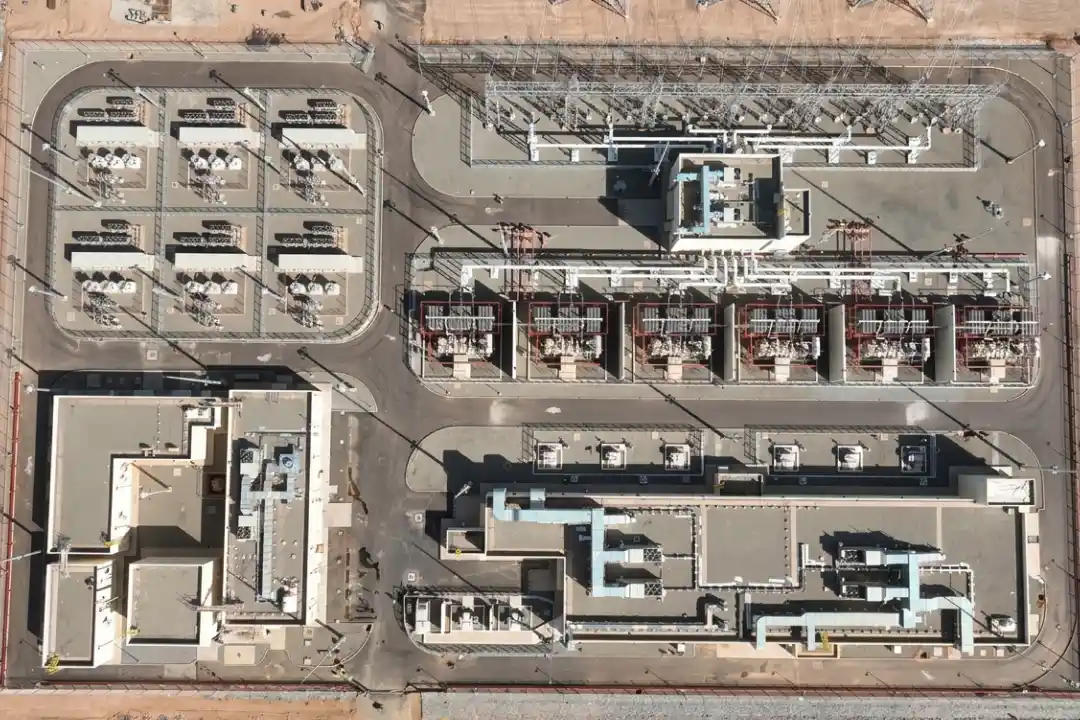
In related background coverage, Origin Pakistan reported Pakistan's condemnation of an earlier attack on a power facility in Madinah. That was a separate incident and is not evidence of the circumstances of the latest Riyadh alert.
Were There Any Casualties or Damage?
As of the initial reporting on October 20, no independently confirmed casualty figure, damage assessment or debris location had been established for this specific interception.
Saudi authorities reported that the ballistic missile had been destroyed, while Civil Defense announced that the immediate danger in Riyadh had passed.
The exact interception location and any consequences on the ground remained unclear.
Further official information or independently verified evidence would be needed to establish whether the incident caused injuries, falling debris or property damage.