Pakistan received $10.875 billion in workers' remittances during the first quarter of fiscal year 2026-27, an increase of 14% compared with the same period last year, according to State Bank of Pakistan (SBP) figures released on October 9, 2026.
Money sent home by overseas Pakistanis rose from $9.537 billion in July–September FY26, bringing an additional $1.338 billion into the country. Saudi Arabia remained the largest source of remittances, while transfers from the United Kingdom recorded particularly strong annual growth.
The increase strengthened Pakistan's foreign-currency receipts during the opening quarter of FY27, although September's inflows declined slightly from August despite remaining higher than a year earlier.
Pakistan Receives $10.9 Billion in First-Quarter Remittances
The figures cover July, August and September 2026, the first three months of Pakistan's financial year.
According to the State Bank of Pakistan's October 9 remittance update, quarterly receipts reached $10.875 billion, compared with $9.537 billion during the corresponding period of FY26.
The $1.338 billion increase represents annual growth of approximately 14%, reflecting higher transfers from several major destinations where Pakistanis live and work.
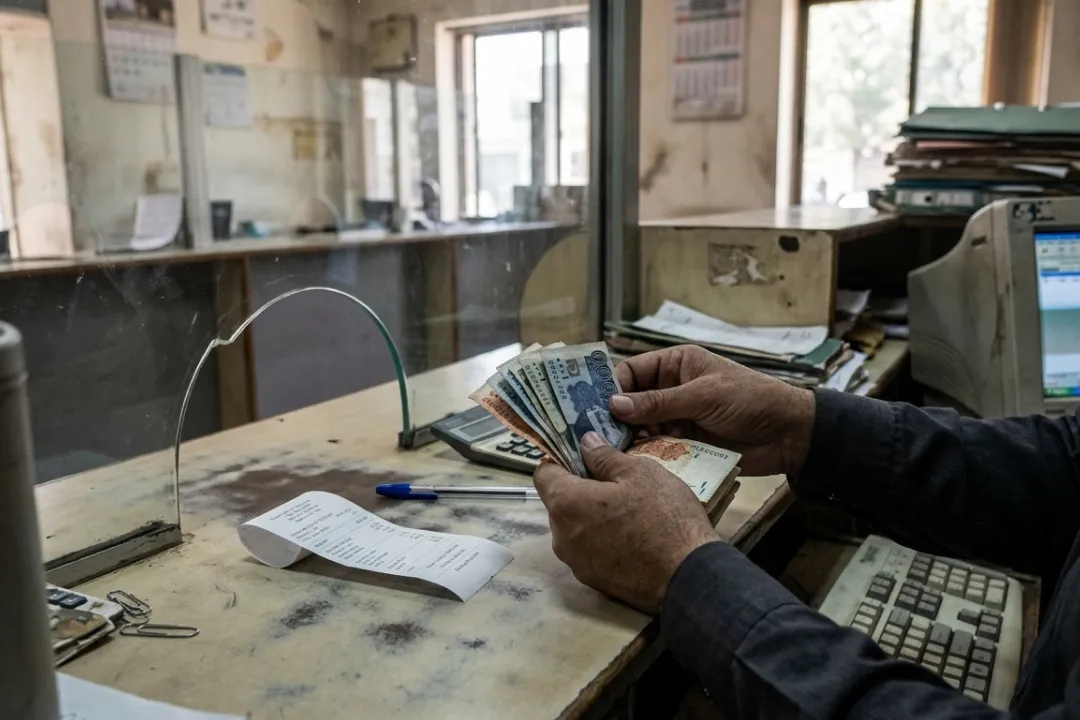
Workers' remittances consist of funds sent by overseas Pakistanis, frequently to support families and meet household expenses. They also provide foreign exchange that helps Pakistan finance external payments without creating the repayment obligations associated with borrowing.
Saudi Arabia Remains Pakistan's Largest Remittance Source
Saudi Arabia maintained its position as the largest individual source of workers' remittances during the first quarter of FY27.
Inflows from the kingdom reached approximately $2.687 billion, an increase of 16.2% from $2.311 billion in the same period last year, according to Business Recorder's report citing SBP data.
Saudi Arabia accounted for nearly one-quarter of Pakistan's total remittances during the quarter.
The United Arab Emirates followed with approximately $2.236 billion, representing annual growth of 12.6%.
Combined, Saudi Arabia and the UAE contributed around $4.923 billion, equivalent to approximately 45% of Pakistan's total first-quarter remittances.
The figures underline the importance of Gulf countries to Pakistan's overseas remittance flows. However, the quarterly data alone does not establish whether the increase resulted from changes in employment, wages, exchange rates or money-transfer patterns.
UK Remittances Grow 19.4% in First Quarter
The United Kingdom recorded one of the strongest annual increases among Pakistan's major remittance sources during July–September FY27.
Remittances from the UK rose by 19.4% to approximately $1.6 billion, according to financial reports based on SBP data.
The UK's percentage growth was higher than the increases recorded for Saudi Arabia and the UAE, although both Gulf countries continued to contribute larger amounts.
Remittances from the United States also increased, reaching approximately $931 million, up 15.5% compared with the corresponding quarter of FY26.
The figures indicate that growth was spread across several major overseas markets rather than being driven by a single country.
September Remittances Rise Annually but Decline From August
Pakistan received approximately $3.587 billion in workers' remittances during September 2026, an increase of 12.7% compared with September 2025.
However, inflows declined by 1.9% from approximately $3.657 billion recorded in August 2026.
According to the Associated Press of Pakistan's report citing SBP figures, Saudi Arabia contributed $899.1 million during September, followed by the UAE with $748.5 million.
The United Kingdom contributed $515.1 million, while remittances from the United States stood at $305.9 million.
The monthly decline contrasts with the stronger year-on-year performance. However, a single month of lower receipts does not necessarily indicate a sustained slowdown, and subsequent SBP releases will provide a clearer picture of the trend.
Why Higher Remittances Matter for Pakistan's Economy
Remittances provide financial support to millions of households and contribute to Pakistan's supply of foreign currency.
For families receiving money from abroad, these transfers can help cover food, education, healthcare, housing and other essential expenses.
At the national level, higher remittances can help offset part of the gap between import payments and export earnings, reducing some pressure on Pakistan's external accounts.
However, remittance growth does not automatically produce an improvement in the current account balance or an equivalent increase in the State Bank's foreign-exchange reserves.
The broader economic impact depends on other factors, including imports, exports, debt repayments, investment flows and exchange-market conditions.
For example, a rise in import payments could offset some of the benefit from additional remittance receipts.
The first-quarter increase is therefore a positive development for foreign-currency inflows, but it should not be treated on its own as proof of broader economic recovery or currency stability.
Pakistan's $44 Billion Remittance Outlook for FY27
Pakistan received approximately $41.6 billion in workers' remittances during FY26.
In July 2026, SBP Governor Jameel Ahmad said the central bank expected remittances to reach around $44 billion during FY27, according to a report by Arab News.
With $10.875 billion already received during the first quarter, Pakistan would need approximately $33.125 billion over the remaining nine months to reach that level.
If the first-quarter pace continued unchanged throughout the financial year, annual remittances would total approximately $43.5 billion.
That figure is a simple annualised calculation rather than a forecast of actual receipts. Monthly transfers can fluctuate because of seasonal patterns, overseas economic conditions and the timing of payments.
Whether Pakistan reaches the $44 billion projection will depend on remittance performance during the remaining three quarters.
What to Watch in the Coming Months
The latest SBP figures show continued annual growth in remittances from Pakistan's major overseas communities, led in total value by Saudi Arabia and supported by stronger inflows from the UK, UAE and United States.
Attention will now turn to whether the growth continues beyond September and how additional remittance receipts affect Pakistan's external position alongside changes in the trade deficit and other foreign-currency flows.
Upcoming SBP data will be important in assessing whether Pakistan remains on course for the approximately $44 billion in annual remittances projected for FY27.