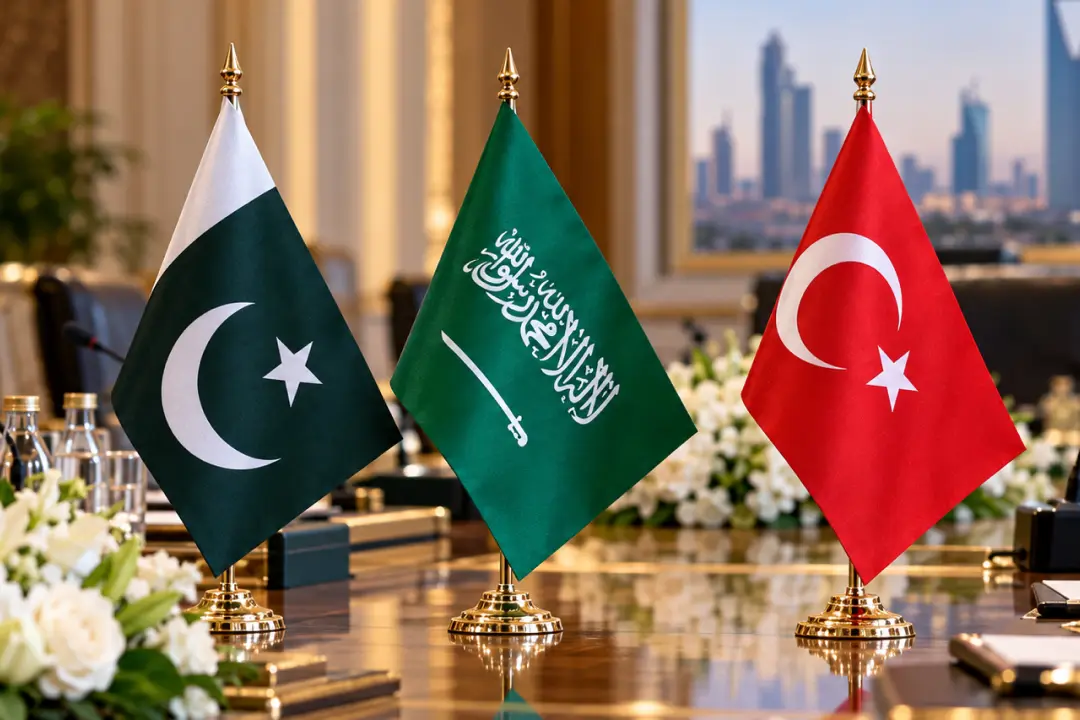
Pakistan's latest defence commitment to Saudi Arabia has renewed attention on parliament's 2015 position on the Yemen conflict, as Islamabad prepares to implement new military arrangements under a collective-defence agreement with Saudi Arabia and Türkiye.
At an emergency meeting in Riyadh on October 5, 2026, the three countries agreed to take immediate steps to provide military forces and capabilities for rapid deployment in Saudi Arabia under the Makkah Alliance for Defense.
According to the official joint statement published by Türkiye's Foreign Ministry, the arrangements will be implemented in accordance with the participating countries' national legislation and approved procedures.
The announcement did not disclose the number of additional Pakistani personnel involved, the specific military capabilities to be provided or the timetable for completing the newly agreed measures.
The decision has also brought parliamentary scrutiny into focus. Pakistan's legislature debated the Saudi-led intervention in Yemen in 2015 and adopted a formal resolution, while no equivalent parliamentary vote on the October 2026 commitment has been identified in the public record reviewed for this report.
What did Pakistan, Saudi Arabia and Türkiye agree?
The October 5 meeting was convened by the Strategic Political and Defense Committee of the Makkah Alliance for Defense to address security developments and threats facing Saudi Arabia.
According to the official statement, the committee reviewed earlier political and military consultations and approved recommendations aimed at implementing the alliance's collective-defence commitments.
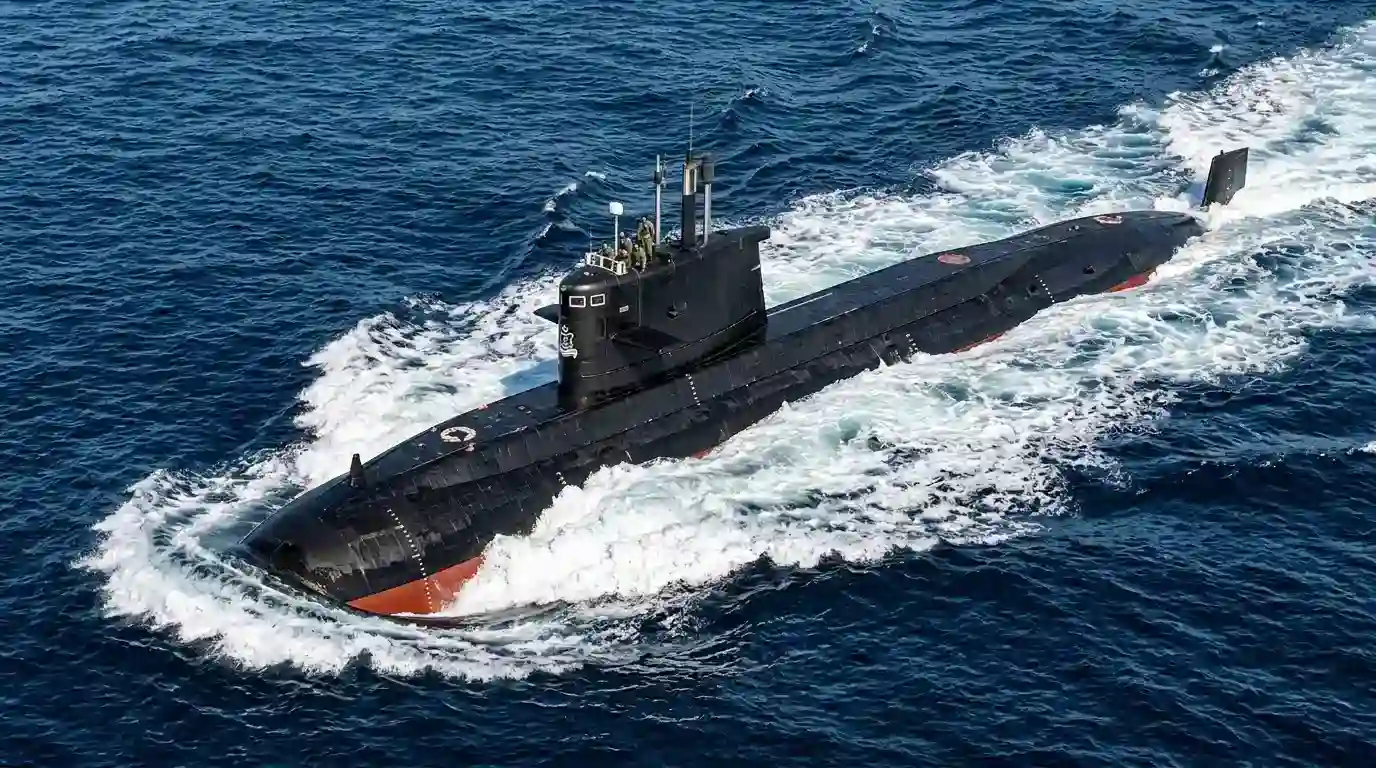
The three countries agreed to take the necessary measures to provide agreed military forces and capabilities and ensure their rapid deployment in Saudi Arabia.
The statement specified that implementation would follow approved arrangements and the national legislation of the participating countries.
The committee also condemned attempted attacks targeting Makkah and Madinah, along with attacks against Saudi cities and civilian and economic facilities.
As part of the alliance's institutional development, retired Pakistani Lieutenant General Nauman Mahmood was appointed its first secretary-general for a three-year term.
The appointment follows an earlier agreement to establish a secretariat in Saudi Arabia to coordinate the trilateral defence framework.
In an August 31 joint statement, the three countries outlined plans to strengthen military cooperation, defence industry collaboration and joint technology development.
What did Pakistan's parliament decide about Yemen in 2015?
Pakistan's parliament adopted a resolution on April 10, 2015, during the Saudi-led military intervention in Yemen.
The resolution called for Pakistan to maintain neutrality in the Yemen conflict and support diplomatic efforts to resolve the crisis.
At the same time, parliament expressed support for Saudi Arabia's territorial integrity and the protection of the holy sites of Makkah and Madinah.
The National Assembly's official record identifies the resolution and its adoption date.
The distinction was significant. Parliament opposed involvement in the Yemen conflict while recognising Pakistan's commitment to Saudi Arabia's security.
The October 2026 arrangements are presented as part of a trilateral collective-defence agreement rather than a direct request for Pakistan to join a military intervention inside Yemen.
However, the earlier parliamentary resolution remains relevant because it established a publicly debated position on Pakistan's participation in regional military operations.
Was parliament involved in the latest defence commitment?
No new parliamentary vote specifically approving the October 2026 military commitment has been identified in the publicly available records reviewed for this report.
The October 5 joint statement refers to implementation in accordance with national legislation but does not explain Pakistan's domestic approval process.
In reporting published on October 8, Reuters said Pakistan's Information Ministry maintained that the necessary government procedures had been completed. The ministry did not specify whether the cabinet or parliament had been involved.
That reported government response should be distinguished from the official trilateral statement, which does not directly address parliamentary approval.
The absence of a parliamentary vote does not automatically establish that the agreement violated Pakistan's Constitution. The legal requirements for overseas military commitments depend on the applicable constitutional and executive framework and the nature of the decision.
The public record therefore leaves questions about which domestic approval procedures were completed and whether parliament will receive a formal briefing on the implementation of the agreement.
What roles did Pakistan's civilian and military leaders play?
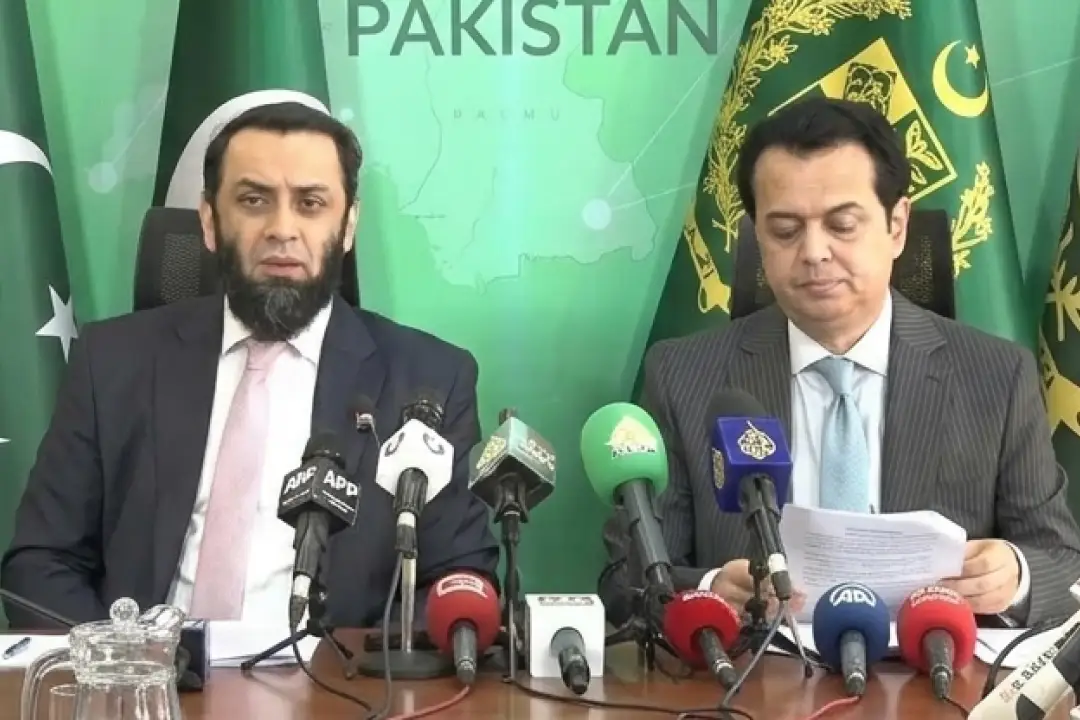
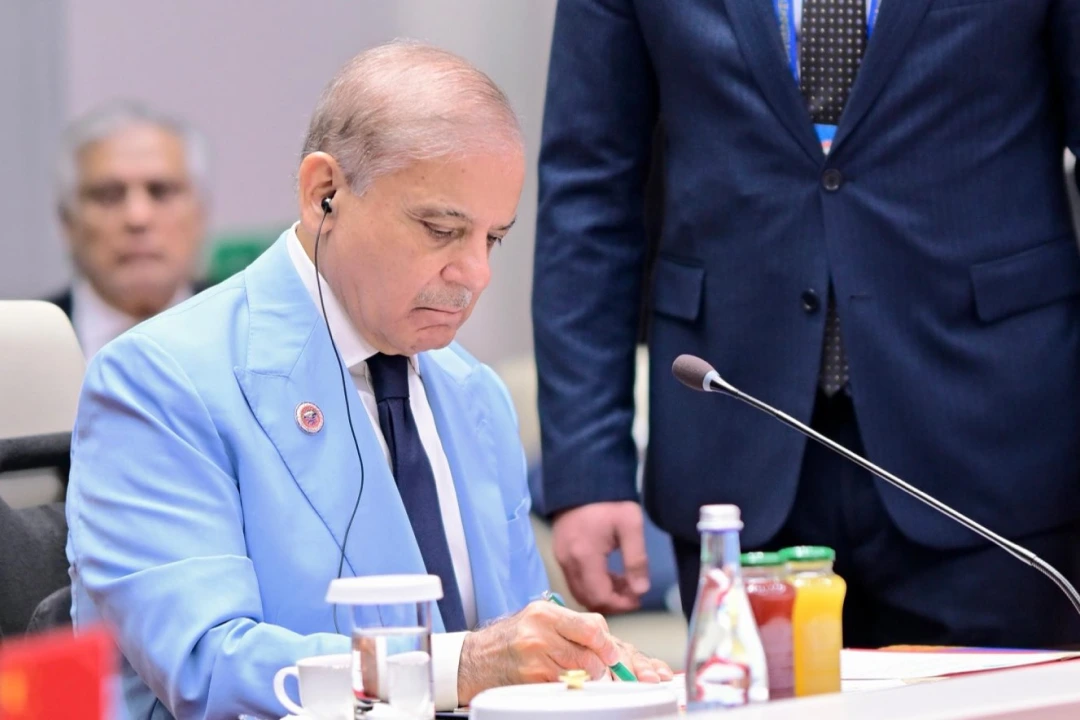
Pakistan's delegation to the October 5 Riyadh meeting included Deputy Prime Minister and Foreign Minister Ishaq Dar, Defence Minister Khawaja Muhammad Asif and Chief of Army Staff and Chief of Defence Forces Field Marshal Asim Munir.
Their participation was confirmed by Pakistan's Ministry of Information and Broadcasting in a statement published on October 7.
The ministry said Pakistan reaffirmed its support for Saudi Arabia's sovereignty, territorial integrity and security while emphasising the importance of regional peace and stability.
The participation of civilian ministers and senior military leadership confirms that both were represented in the Riyadh discussions.
However, attendance at an international meeting does not establish which domestic institutions approved the operational arrangements or how those decisions will be reviewed.
Are Pakistani troops already present in Saudi Arabia?
Pakistan's military cooperation with Saudi Arabia predates the latest Makkah defence agreement.
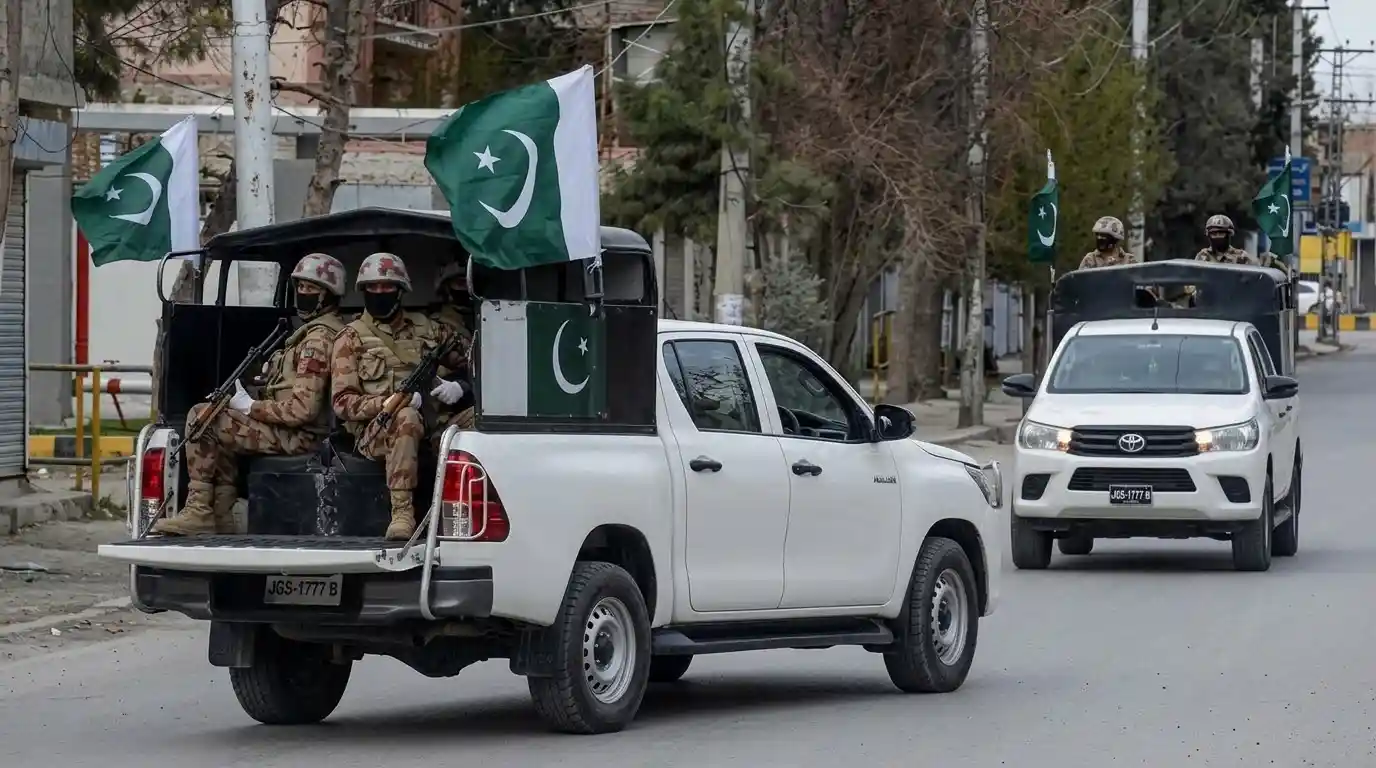
Pakistani personnel have been stationed in the kingdom under longstanding bilateral defence arrangements, including training, advisory and other military cooperation roles.
Pakistan's military spokesperson, Lieutenant General Ahmed Sharif Chaudhry, confirmed in an interview reported in October 2026 that Pakistani troops were already present in Saudi Arabia and had served there in different capacities for decades.
That existing military presence should be distinguished from the additional forces and capabilities contemplated under the October 5 agreement.
Speaking on Geo News after the Riyadh meeting, Defence Minister Khawaja Asif said Pakistani and Turkish forces were providing support while Saudi forces were carrying out combat operations.
Asif identified reconnaissance among Pakistan's contributions and described the two countries' military roles as supportive.
These statements establish that Pakistani military personnel already have a role in Saudi Arabia's security arrangements. They do not establish that newly committed Pakistani forces have entered offensive combat operations inside Yemen.
Does the agreement mean Pakistan will fight in Yemen?
The October 5 joint statement does not confirm that Pakistani troops have been assigned to combat operations inside Yemen.
The announced commitment concerns collective defence and the provision of military forces and capabilities in Saudi Arabia.
However, Pakistan's defence minister has indicated that the alliance's commitments are not necessarily limited to non-combat assistance in every circumstance.
In remarks reported by Dawn on October 8, Khawaja Asif said the agreement did not contain a provision preventing direct involvement when a member state faced a threat.
His comments addressed the possible scope of collective-defence obligations. They did not announce a specific Pakistani ground operation in Yemen or confirm that such an operation had begun.
Türkiye's Foreign Minister Hakan Fidan has separately said Turkish officials are assessing possible assistance to Saudi Arabia under the agreement.
According to Dawn's October 8 report, Fidan said technical evaluations were continuing, particularly concerning possible air-defence contributions.
Those remarks describe Türkiye's assessment and should not be interpreted as confirmation of Pakistan's equipment commitments or operational restrictions.
The distinction between an alliance's potential military obligations and an actual deployment order remains important. Pakistan has not publicly released a detailed operational plan for its latest contribution.
Why does the agreement matter for regional security?
The Riyadh decision comes amid renewed security threats affecting Saudi Arabia, including attacks associated with the conflict in Yemen.
Pakistan, Saudi Arabia and Türkiye have presented the Makkah defence agreement as a framework for strengthening collective security, military coordination and deterrence.
The agreement builds on Pakistan's longstanding defence relationship with Saudi Arabia while adding a trilateral structure involving Türkiye.
It also raises practical questions about the extent of Pakistan's military responsibilities, the protection of personnel deployed abroad and the procedures through which operational decisions are communicated domestically.
Pakistan maintains diplomatic relationships across the region, including with Saudi Arabia and Iran. The wider diplomatic implications of the alliance will depend on how its military commitments are implemented.
The available official statements do not establish that Pakistan has committed to military operations against Iran or that the October 5 decision has produced a specific change in relations with Tehran.
What remains unanswered about Pakistan's deployment?
Despite the agreement to advance collective-defence measures, several important details have not been publicly disclosed.
- The number of additional Pakistani personnel assigned under the October 2026 commitment.
- The military equipment and capabilities Pakistan will provide.
- The timetable and duration of any new deployment.
- The operational responsibilities and limits applicable to Pakistani personnel.
- The domestic approval procedures completed before the commitment was announced.
- Whether parliament will receive a formal briefing or review the implementation arrangements.
The distinction between Pakistan's decisions in 2015 and 2026 remains central to the debate.
In 2015, parliament formally supported neutrality in Yemen while affirming Saudi Arabia's security. In 2026, Pakistan has agreed to implement collective-defence commitments in Saudi Arabia, with the full operational details yet to be made public.
Further official clarification would help establish the scope of the new military arrangements, the status of additional deployments and the oversight procedures governing Pakistan's participation.