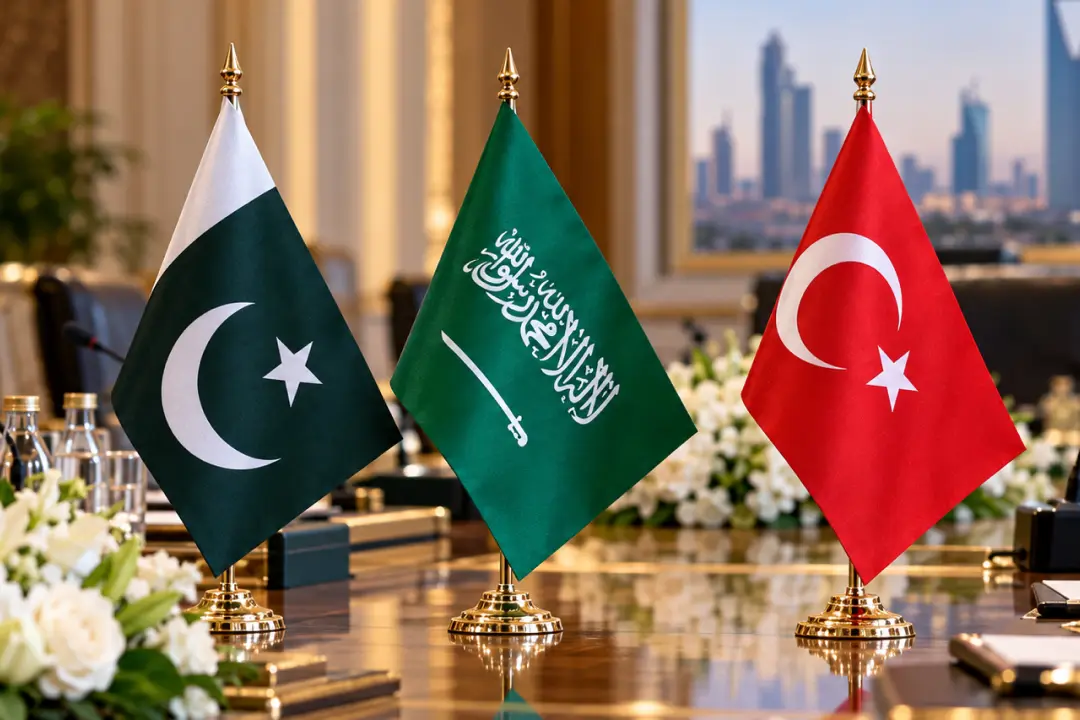
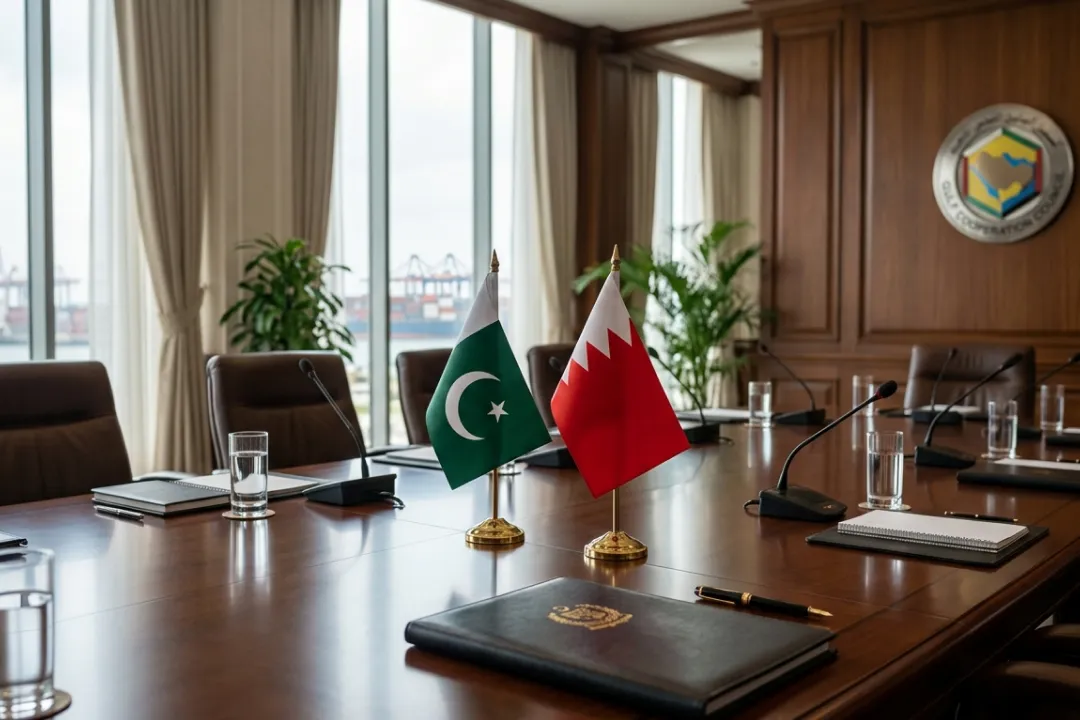
Pakistan and Bahrain have agreed to accelerate efforts to finalise a proposed free trade agreement between Pakistan and the Gulf Cooperation Council (GCC), following high-level ministerial talks in Islamabad on October 8, 2026.
The development came during the third session of the Pakistan-Bahrain Joint Ministerial Commission, co-chaired by Deputy Prime Minister and Foreign Minister Ishaq Dar and Bahrain's Foreign Minister Dr Abdullatif bin Rashid Al Zayani.
Bahrain said it was working to speed up the approval process for the proposed GCC-Pakistan agreement. The two countries also signed a protocol recording the ministerial commission's decisions and agreed to strengthen cooperation in trade, investment, energy and other sectors.
The free trade agreement has not yet been confirmed as formally signed or in force. Its completion remains dependent on the relevant approval and implementation procedures.
What did Pakistan and Bahrain agree in Islamabad?
The October 8 meeting reviewed bilateral relations and identified measures to strengthen economic and institutional cooperation between the two countries.
According to Pakistan's Press Information Department, the discussions covered trade and investment, energy, agriculture and food security, information technology, health, education and labour.
The ministers signed the protocol of the third Joint Ministerial Commission, formally recording the understandings reached during the session.
One of the principal outcomes was an agreement to establish a government-level Joint Working Group on Trade and Investment.
According to Radio Pakistan, the new mechanism is intended to support regular consultations, coordination and cooperation on bilateral trade and investment matters.
Dar also said several joint working groups were being operationalised to improve follow-up on the commission's decisions.
In his official remarks, he emphasised the importance of maintaining regular engagement between government institutions and encouraging closer contact between businesses.
The arrangements establish channels for future cooperation, but the meeting did not announce completed investments or new trade volumes resulting from these measures.
Why is Bahrain pushing for the GCC-Pakistan trade agreement?
Bahrain has expressed support for completing the proposed free trade agreement between Pakistan and the GCC, which also includes Kuwait, Oman, Qatar, Saudi Arabia and the United Arab Emirates.
Following the ministerial talks, Foreign Minister Al Zayani said Bahrain was working to accelerate the agreement's approval process.
According to Dawn's October 8 report, Bahrain was seeking to move the agreement forward while holding the GCC presidency.
That position gives Bahrain a diplomatic role in encouraging coordination among GCC members. However, Bahrain cannot independently complete the approval procedures required for a trade agreement involving the wider bloc.
Pakistan and the GCC concluded negotiations on the proposed free trade agreement in September 2023, but the agreement has yet to complete the steps needed for formal signing and implementation.
How close is the GCC-Pakistan free trade agreement to signing?
Ishaq Dar indicated after the October 8 meeting that the proposed agreement was approaching the signing stage.
According to Arab News' account of his remarks, Dar suggested that approval from only one GCC member country might remain outstanding.
He did not publicly identify that country and indicated that Bahrain had already approved the agreement.
Dar's remarks represent Pakistan's assessment of the remaining approval process. They do not independently establish the completion of every other GCC member's domestic procedures.
The proposed agreement would still require the applicable formal steps before its trade provisions could become effective.
No confirmed signing date or date of entry into force was announced during the Islamabad meeting.
What could the GCC agreement mean for Pakistani exporters?
A free trade agreement with the GCC could provide Pakistani businesses with a clearer framework for commercial engagement across Gulf markets.
Potential opportunities may arise in sectors such as agriculture, food processing, textiles, manufacturing and services, depending on the provisions eventually agreed and implemented.
For exporters, the most important details will include product coverage, tariff commitments, rules of origin and any procedures governing preferential market access.
The October 8 announcements did not provide a final product-specific tariff schedule or confirm that Pakistani exporters had begun receiving new trade preferences under the proposed agreement.
The economic impact will therefore depend on the agreement's final terms, legal implementation and the ability of businesses to use any preferences made available.
Pakistan and Bahrain target $1 billion in bilateral trade
Alongside the GCC-wide trade initiative, Pakistan and Bahrain are pursuing a separate ambition to expand trade directly between the two countries.
Speaking during the October 8 discussions, Dar recalled an earlier target to double annual bilateral trade to $1 billion within three years.
According to an Associated Press of Pakistan report, Dar said one year of that period had already elapsed and urged both sides to accelerate their efforts during the remaining time.
The $1 billion figure is a target, not a confirmed current trade total.
Dar called for stronger business-to-business and government-to-government engagement to help achieve the objective.
Bahrain's foreign minister also emphasised the need to double trade within three years, reflecting the importance both governments attach to expanding economic relations.
The planned trade and investment working group could provide a platform for identifying opportunities and addressing practical barriers. However, no verified increase in trade attributable to the October 8 meeting has been announced.
What other areas of cooperation were discussed?
The Joint Ministerial Commission addressed cooperation across several sectors beyond the proposed free trade agreement.
According to Radio Pakistan, the discussions included industrial collaboration, agriculture, food security, information technology, higher education, logistics and maritime affairs.
The two countries also agreed to convene their Joint Working Group on Energy in November 2026 to discuss cooperation involving oil, gas and minerals.
Labour mobility, vocational training and human resource development were additional priorities, with both governments expressing interest in opportunities for skilled Pakistani workers.
Dar acknowledged the contribution of Pakistanis living and working in Bahrain and highlighted the importance of strengthening people-to-people relations.
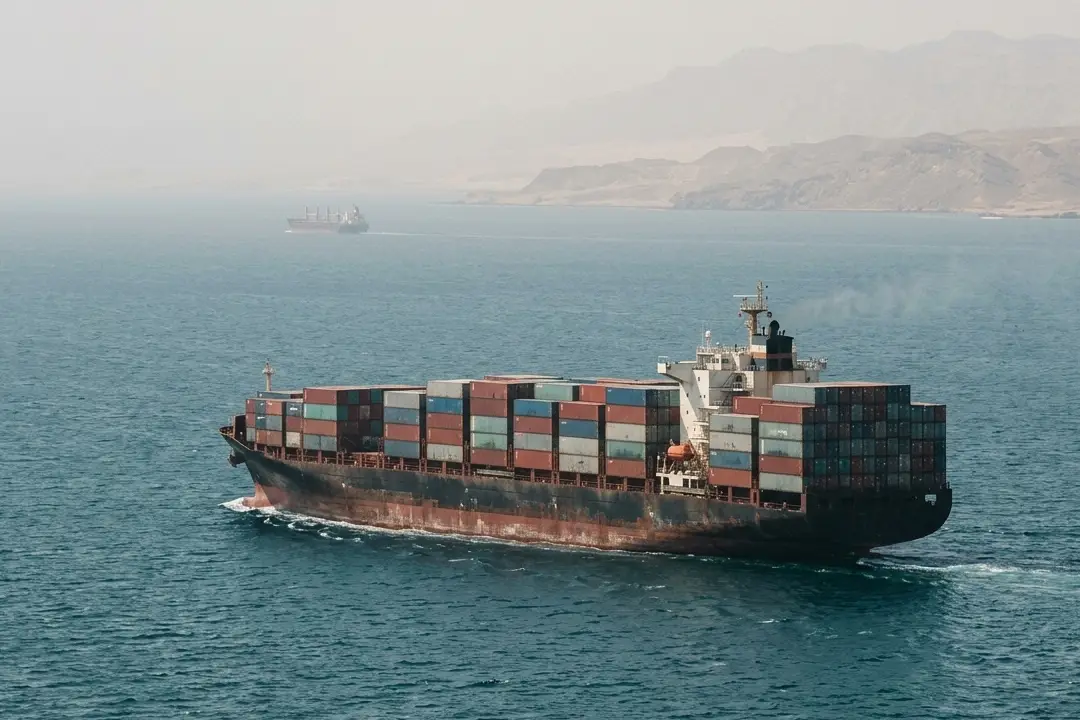
The ministers also discussed regional security, including the need to protect freedom of navigation through the Strait of Hormuz and Bab al-Mandab, both important routes for international trade and energy supplies.
They emphasised restraint, dialogue and diplomacy in responding to regional tensions.
What happens next for Pakistan and the GCC?
The immediate priority is to complete the outstanding approval process and determine when the proposed GCC-Pakistan free trade agreement can be formally signed.
Once signed, any further legal and administrative steps required under the agreement would need to be completed before its provisions could take effect.
Pakistan and Bahrain will also continue bilateral cooperation through the ministerial commission's institutional mechanisms, including the trade and investment working group and planned energy consultations.
The two governments have expressed their intention to hold the next session of the Joint Ministerial Commission in Bahrain.
For Pakistan, the October 8 meeting represents renewed diplomatic momentum towards closer economic relations with Bahrain and the wider Gulf region.
The next significant development will be confirmation of the remaining GCC approvals and a formal signing timetable. Until then, the proposed agreement remains a potential opportunity rather than an operational trade arrangement.