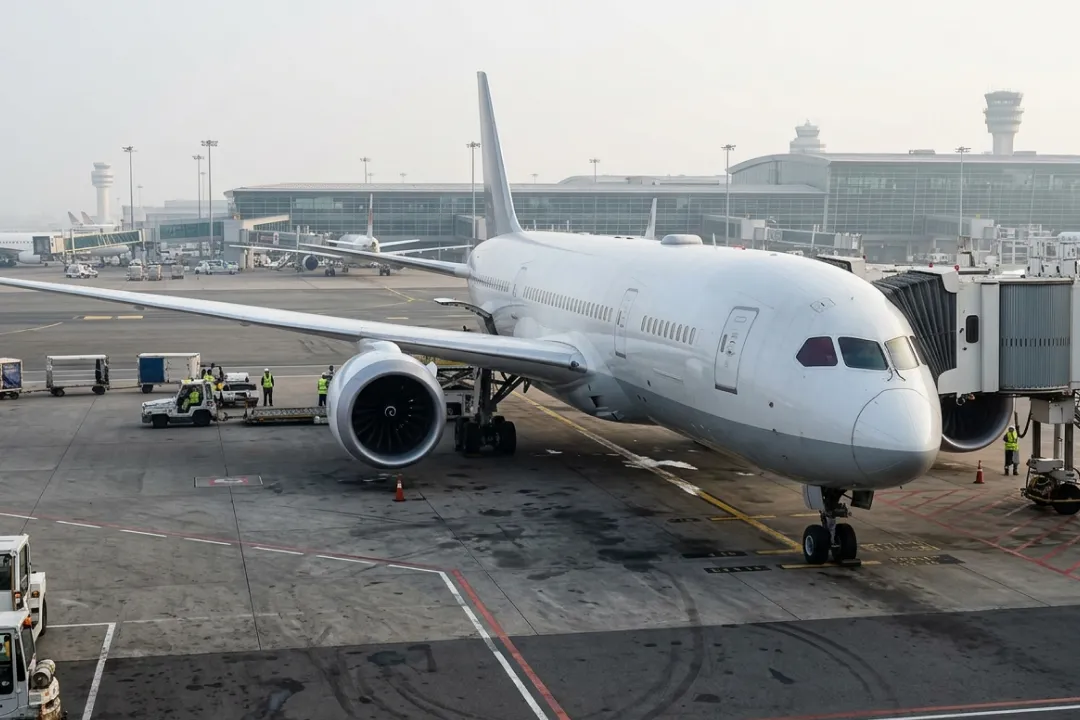
Pakistan International Airlines (PIA) has signed an agreement with Norwegian carrier Norse Atlantic Airways for two Boeing 787-9 Dreamliner aircraft, as Pakistan separately explores potential Airbus leasing, Rolls-Royce engine arrangements and British financing support for the airline's fleet modernisation.
Norse Atlantic announced the agreement on October 9, 2026, saying the aircraft would support long-haul services between Pakistan and the United Kingdom. Operations are expected to begin in early November, although the company has not confirmed a complete route schedule or flight frequencies.
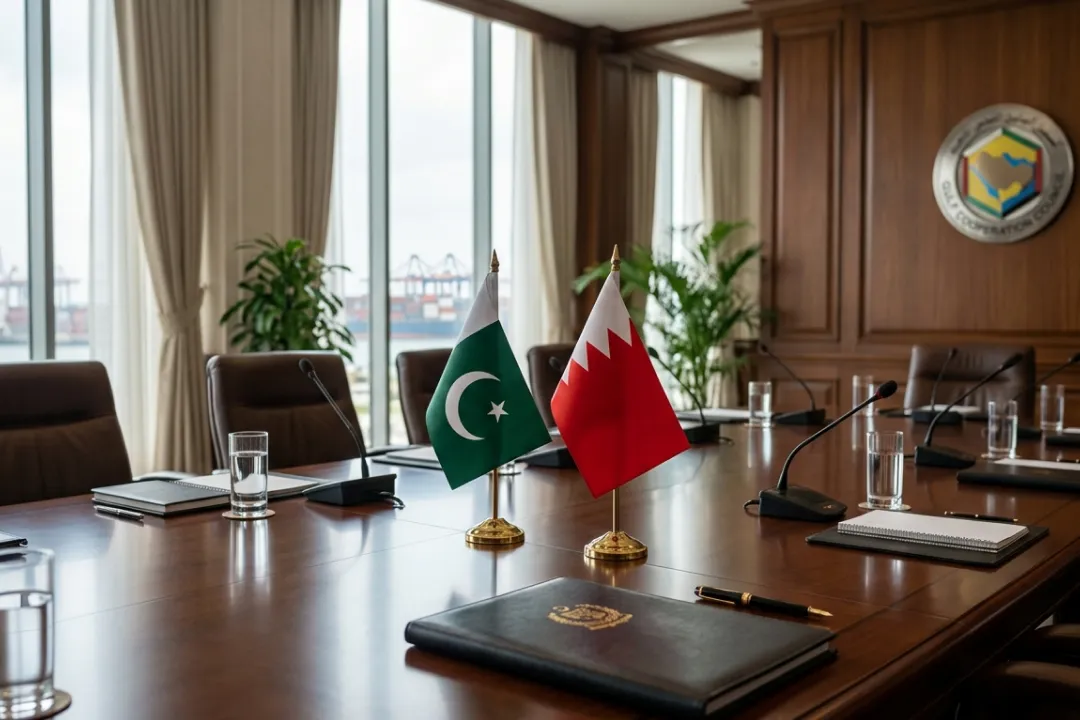
The agreement follows separate aviation discussions between Commerce Minister Jam Kamal Khan and British High Commissioner Jane Marriott in Islamabad on October 8. Those talks covered possible aircraft leasing, engine arrangements and export credit support, but did not result in any announced Airbus or Rolls-Royce procurement contract.
PIA signs agreement for two Boeing 787-9 Dreamliners
According to Norse Atlantic's official announcement, the agreement covers two Boeing 787-9 aircraft under an aircraft, crew, maintenance and insurance arrangement, commonly known as ACMI or wet leasing.
The partnership is intended to provide additional long-haul capacity for services connecting Pakistan and the UK, where demand includes passengers travelling to visit family, conduct business and maintain ties between the two countries.
Norse Atlantic Chief Executive Eivind Roald welcomed the partnership, saying the company aimed to support PIA's long-haul expansion and provide additional travel options for the Pakistani community in the United Kingdom.
The company expects operations under the agreement to begin at the start of November 2026, serving multiple destinations between the two countries.
However, the announcement did not provide a complete list of routes, confirmed departure schedules, flight frequencies or ticket prices.
The Boeing 787-9 is a wide-body aircraft designed for long-distance passenger services. Its introduction under the agreement would expand the aircraft capacity available to PIA without requiring the airline to purchase the two Dreamliners outright.
Reuters reported that the agreement also supports Norse Atlantic's growing focus on leasing aircraft and crews to other airlines.
How will the Norse Atlantic leasing agreement work?
Under the ACMI arrangement, Norse Atlantic will provide the two Boeing 787-9 aircraft together with the crews, maintenance and insurance covered by the contract.
Such arrangements allow airlines to obtain additional operational capacity without immediately purchasing aircraft or independently organising every service included in the lease.
For PIA, the agreement offers a potential near-term solution to long-haul capacity requirements while the airline considers its wider fleet modernisation plans.
For Norse Atlantic, the partnership provides an opportunity to deploy aircraft capacity through its leasing business.
Wet leasing does not automatically guarantee commercial success. The financial outcome depends on factors including leasing costs, passenger demand, aircraft utilisation, operating expenses and the terms agreed between the airlines.
The companies have not publicly disclosed the full financial value of the agreement. Its total cost to PIA and expected commercial return therefore remain unconfirmed.
Pakistan explores Airbus leasing and Rolls-Royce engine arrangements
Separately, Pakistan and the United Kingdom discussed potential aviation cooperation during a meeting at the Ministry of Commerce in Islamabad on October 8.
According to Pakistan's Press Information Department, Commerce Minister Jam Kamal Khan met British High Commissioner Jane Marriott to discuss trade, investment and cooperation across several sectors.
Commerce Secretary Jawad Paul and senior ministry officials also attended the meeting.
The British side briefed the minister on engagement involving Airbus and Rolls-Royce, including possible aircraft and engine arrangements for PIA.
The discussions included potential aircraft leasing to address immediate fleet requirements, alongside longer-term procurement and financing possibilities.
Possible export credit support was also discussed as a way to facilitate eligible aviation transactions.
However, the official statement did not confirm that PIA had signed an Airbus purchase or leasing agreement, ordered Rolls-Royce engines or secured an approved British financing package.
No specific aircraft models, engine types, procurement quantities, contract values or delivery dates were announced.
The talks therefore represent potential future commercial opportunities rather than completed aircraft or engine acquisitions.
Could export credit financing support PIA's fleet expansion?
Export credit arrangements can support eligible international transactions through financing, guarantees or insurance associated with exports.
For airlines, these arrangements may help structure aircraft and engine financing, depending on the suppliers involved, the creditworthiness of the borrower and the applicable requirements.
During the October 8 meeting, possible British export credit support was raised in connection with aviation cooperation.
However, no approved financing amount, binding loan agreement or government guarantee was announced as part of those discussions.
The distinction is particularly relevant because Pakistan's government has previously clarified its role in facilitating aircraft financing for the privatised airline.
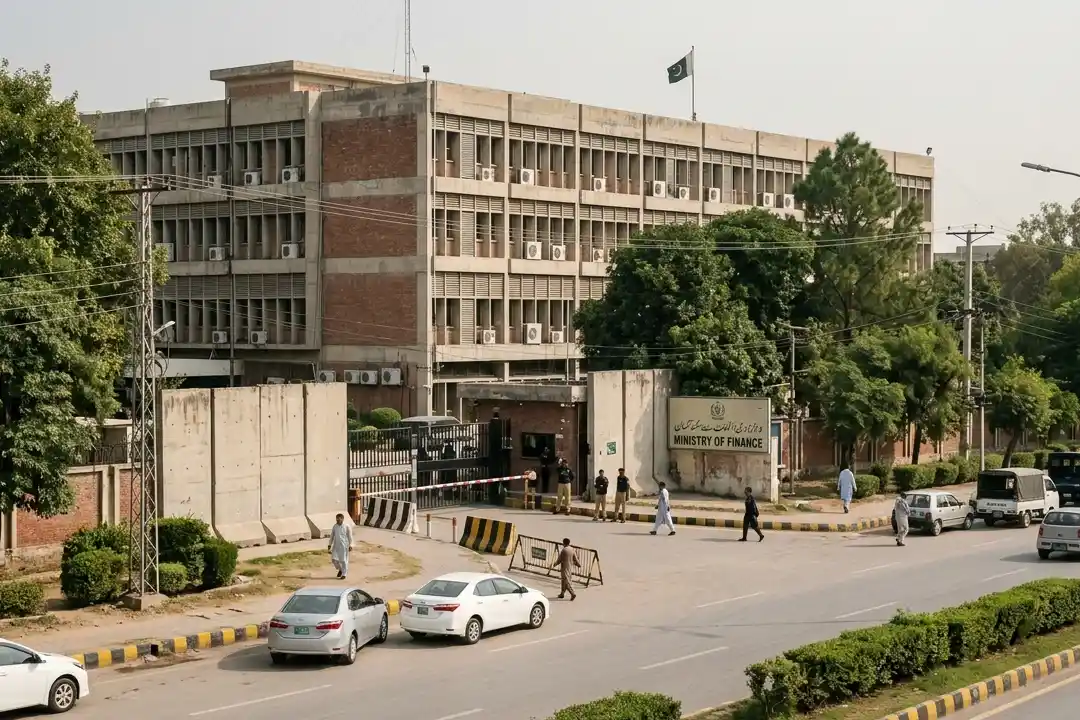
On September 27, Adviser to the Finance Minister Khurram Schehzad said the government was not purchasing aircraft for PIA and had not announced a sovereign guarantee or taxpayer-funded loan for such purchases.
According to Radio Pakistan's report of the clarification, Schehzad explained that the government's role was to facilitate commercial opportunities and access to international financing rather than assume the airline's commercial risks.
His remarks concerned earlier discussions involving the US Export-Import Bank and should not be interpreted as a decision on the separate UK financing proposals.
Any future financing arrangement would require its own commercial assessment, negotiations and relevant approvals.
How does the Boeing agreement fit into PIA's fleet modernisation?
PIA's fleet modernisation efforts involve both immediate operational requirements and longer-term decisions about aircraft procurement, engines and financing.
The Norse Atlantic agreement addresses a near-term requirement by making two leased Boeing 787-9 aircraft available under the planned partnership.
By comparison, the Airbus and Rolls-Royce discussions concern possible future arrangements that have not yet resulted in announced contracts.
Pakistan has also engaged separately with Boeing representatives over potential aircraft acquisitions, leasing options, spare parts and technical support for existing aircraft.
Those discussions are distinct from the Norse Atlantic agreement and do not establish that PIA has placed a new aircraft purchase order directly with Boeing.
The difference between leasing and purchasing matters for the airline's financial planning. Leasing can provide capacity without an outright aircraft acquisition, while longer-term purchases require separate investment, financing and operational decisions.
Commerce Minister Jam Kamal Khan has also emphasised the importance of improving service standards, operational reliability and fleet modernisation to rebuild passenger confidence.
These priorities suggest that PIA's longer-term challenge extends beyond adding aircraft and includes the quality and reliability of the services it provides.
What role does PIA's privatisation play?
The latest developments follow a significant change in PIA's ownership and management structure.
A consortium led by Arif Habib Corporation Limited emerged as the successful bidder in Pakistan's December 2025 privatisation process for a planned 75% equity stake in Pakistan International Airlines Corporation Limited.
According to PIA's official company profile, the first completion of the transaction took place on June 29, 2026.
At that stage, management control and a majority shareholding transferred to PIA Equity Limited, a special-purpose vehicle established by the successful consortium.
Following the first completion, PIA Equity Limited held 66.67% of the airline's issued share capital, while PIA Holding Company Limited retained 33.33%.
PIA's company profile states that a subsequent completion is expected to increase the private investor vehicle's holding to 75%, leaving PIA Holding Company Limited with 25%.
The planned 75% ownership structure should therefore be distinguished from the 66.67% shareholding reported after the first completion.
Under the changed management structure, fleet investment, operational performance and commercial sustainability remain important considerations for the airline's future.
What could the agreement mean for UK-Pakistan passengers?
The planned introduction of two Boeing 787-9 aircraft could increase the long-haul capacity available for travel between Pakistan and the United Kingdom.
The UK is an important international travel market for Pakistan, including passengers visiting relatives, travelling for business and maintaining connections between the two countries.
Additional aircraft capacity may support more travel options, depending on the final route network, flight schedules and applicable regulatory arrangements.
However, the agreement does not itself confirm that particular routes will begin, that ticket prices will fall or that additional flight frequencies have been finalised.
Passengers should consult PIA's official booking channels and subsequent airline announcements for confirmed destinations, departure times and fares.
For the airline, successfully introducing the leased aircraft would be one step in a wider effort to improve international connectivity and service reliability.
What happens next for PIA's fleet expansion?
The immediate milestone is the anticipated start of operations under the Norse Atlantic agreement in early November 2026.
Confirmation of the final routes, flight schedules and operational arrangements will be needed before passengers can assess the additional services available.
Separately, any Airbus leasing, Rolls-Royce engine procurement or UK export credit arrangement would require further negotiations and the relevant approvals before becoming a confirmed transaction.
Pakistan's earlier discussions with Boeing and potential US financing institutions also remain separate from the signed Norse Atlantic leasing contract.
The latest developments show PIA pursuing additional long-haul capacity through a confirmed leasing agreement while exploring longer-term aircraft, engine and financing options.
Whether those wider proposals progress into binding contracts will depend on subsequent commercial decisions and official announcements.