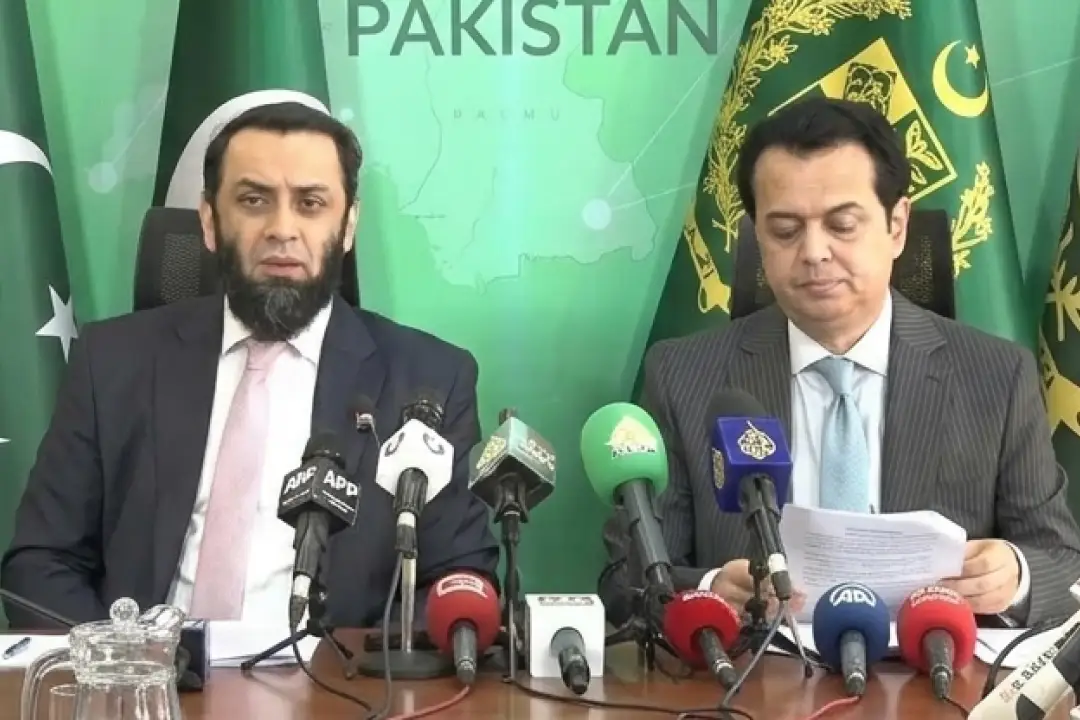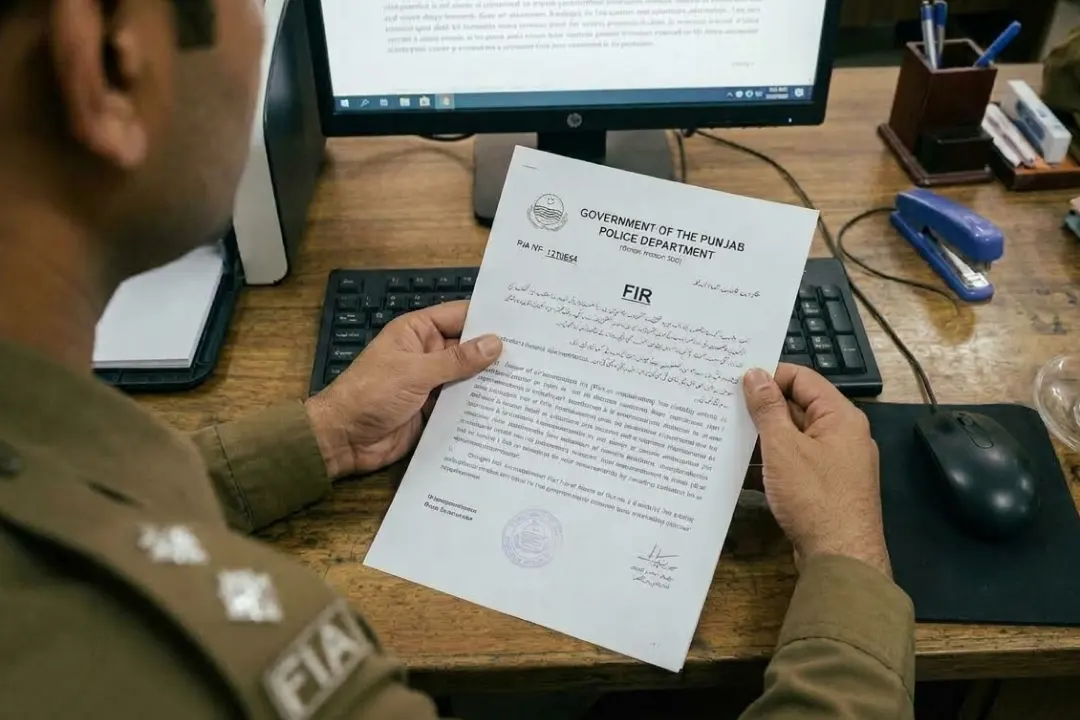
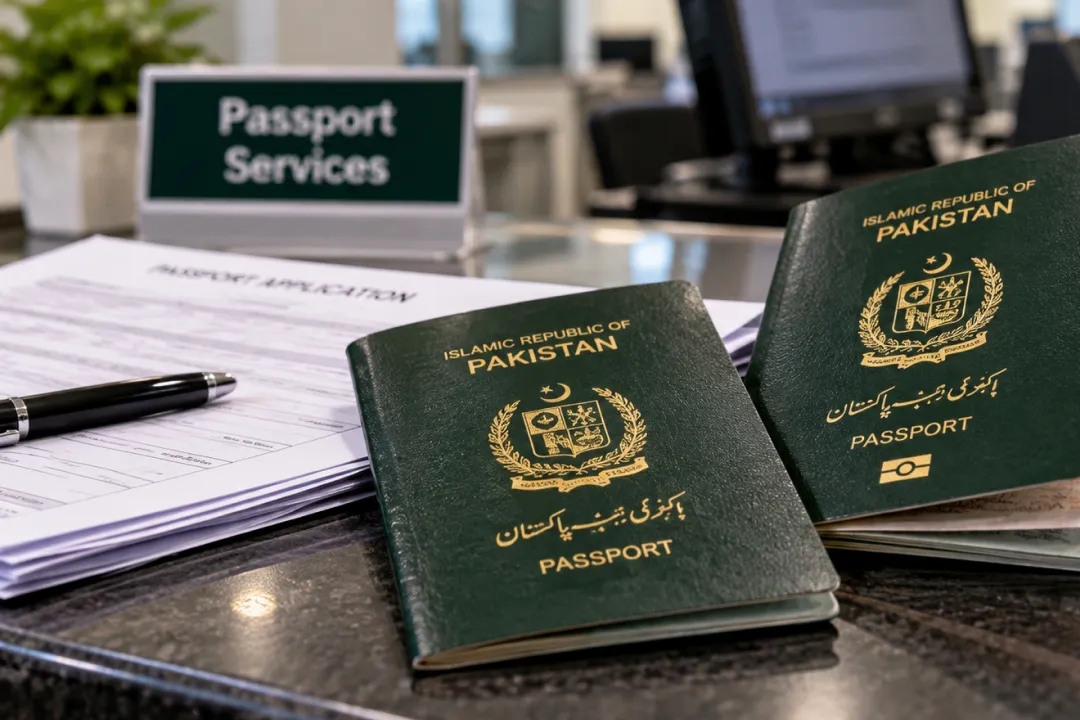
Pakistani diplomatic missions abroad will stop processing machine-readable passport (MRP) applications from October 15, 2026, as the country expands its electronic passport services.
The Pakistan Consulate General in Manchester has confirmed the change, while the Pakistan High Commission in Singapore has issued a separate notice announcing the discontinuation of MRPs from the same date.
The transition matters for overseas Pakistanis planning new passport applications or renewals. E-passports cost more than conventional MRPs under Pakistan's published domestic fee schedule, although charges at overseas missions may differ.
Pakistan's Directorate General of Immigration and Passports (DGI&P) has also announced an initiative to replace ordinary passports with e-passports. However, its public guidance continues to list MRP services and fees for applicants in Pakistan, leaving the precise domestic implementation timetable unclear.
When will Pakistani missions stop processing MRPs?
October 15, 2026, is the confirmed transition date for Pakistani diplomatic missions abroad.
In an official notice published on September 29, the Pakistan Consulate General in Manchester said its e-passport services would begin on October 15 and that MRPs would no longer be processed at Pakistani missions abroad from that date.
The Pakistan High Commission in Singapore also published a notice dated September 27 announcing the discontinuation of MRPs effective October 15.
October 14 has been reported as the final day for MRP applications before the transition. However, the official notices reviewed do not independently establish a uniform October 14 application deadline for every passport office in Pakistan.
Applicants should also distinguish the final date for accepting an application from the date a passport is printed or delivered. The notices do not establish a single procedure for all applications already under processing.
Will MRP applications also stop inside Pakistan?
DGI&P listed an initiative titled "E-Passport Replace Ordinary Passport" among its July 1, 2026 announcements.
However, the authority's current passport guidance continues to publish both MRP and e-passport fee schedules and describes existing MRP application services.
The official information reviewed therefore does not establish that every domestic passport office will stop accepting MRP applications on October 15 under exactly the same arrangements announced for overseas missions.
Applicants in Pakistan should confirm the latest service availability and application procedures with DGI&P or their relevant passport office.
How much does a Pakistani e-passport cost?
According to DGI&P's published domestic fee schedule, a 36-page e-passport costs approximately twice as much as a comparable machine-readable passport.
The following figures apply to the listed normal and urgent categories for 36-page passports in Pakistan.
| Passport category | MRP fee | E-passport fee |
|---|---|---|
| 5 years, normal | Rs 4,500 | Rs 9,000 |
| 5 years, urgent | Rs 7,500 | Rs 15,000 |
| 10 years, normal | Rs 6,700 | Rs 13,500 |
| 10 years, urgent | Rs 11,200 | Rs 22,500 |
For a five-year, 36-page normal passport, the difference is Rs 4,500. The e-passport costs Rs 9,000 compared with Rs 4,500 for the conventional MRP.
For a ten-year, 36-page normal passport, the published e-passport fee is Rs 13,500, compared with Rs 6,700 for an MRP.
These are differences between two passport products, not evidence of a newly announced October 2026 fee increase. DGI&P's published MRP fee revision took effect in March 2024, while e-passport fees were already available before the current transition.
The authority also lists 72-page e-passport options. Additional service charges may apply at Executive Passport Offices and certain passport processing counters.
DGI&P states that fast-track delivery is not available for e-passports. Applicants should check the applicable delivery arrangements before selecting a service category.
The domestic rupee figures should not be treated as the fee schedule for every Pakistani embassy or consulate abroad.
Will existing machine-readable passports remain valid?
The October 15 announcement concerns the processing of MRP applications at Pakistani diplomatic missions. It does not, by itself, announce the immediate cancellation of passports already issued to Pakistani citizens.
Passport holders should check the expiry date printed on their document and the entry requirements of their intended destination before travelling.
Anyone planning to renew a passport, replace a damaged document or apply for additional pages should confirm the relevant procedure with DGI&P or the nearest Pakistani diplomatic mission.
The official notices reviewed do not provide a complete set of instructions for every existing passport or pending application. Applicants with individual concerns should seek confirmation from the issuing authority.
How do QR-based passport payments work?
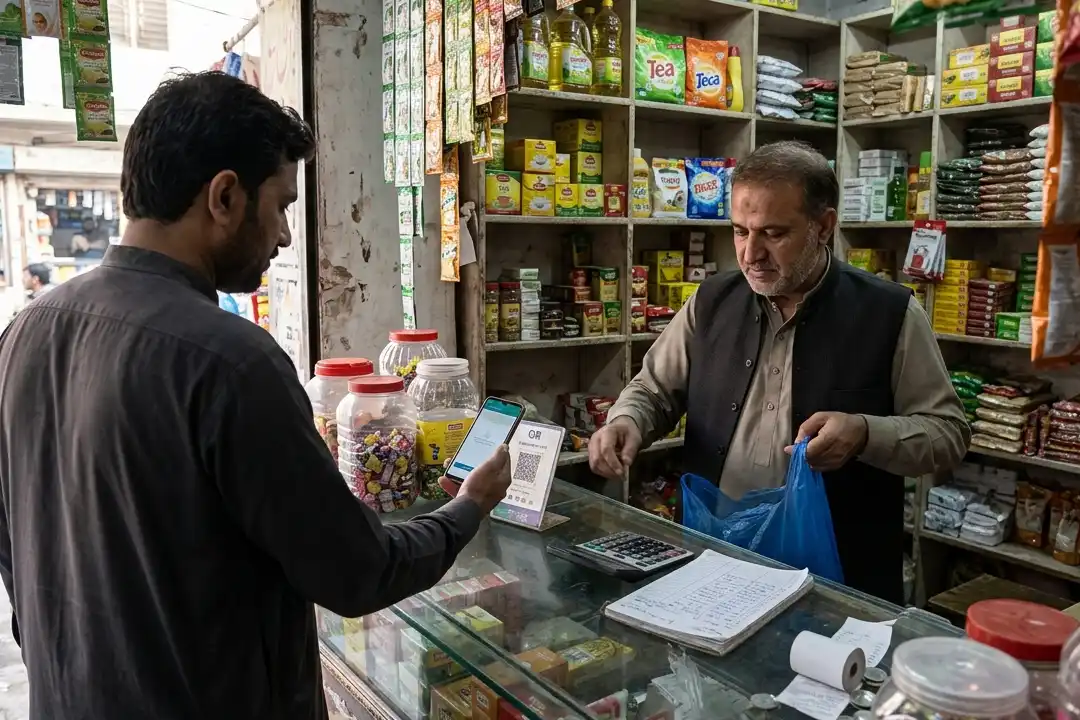
DGI&P has introduced QR-based fee payments as part of its passport application process and listed a cashless passport fee payment initiative among its July 2026 announcements.
According to the authority's official application guidance, an applicant receives a passport token containing a QR code during the in-person application process.
The guidance states that applicants can scan the code and pay through supported digital platforms, including EasyPaisa, JazzCash and online banking.
DGI&P also operates the Passport Fee Asaan system, which uses a Payment Slip ID (PSID) for fee payment through supported banking and digital channels.
Under the published Passport Fee Asaan instructions, applicants generate a PSID through the mobile application or web portal and can use supported payment services to complete the transaction.
These are related digital payment arrangements, but applicants should follow the instructions for their particular application rather than assume that QR token payments and PSID payments follow an identical process.
Although Raast has been discussed in connection with digital payments, the DGI&P instructions reviewed do not establish that Raast is the exclusive payment method for every passport applicant.
Payment options may also differ for online applications and Pakistani missions abroad.
What is the difference between an MRP and an e-passport?
A machine-readable passport contains a standardized section that allows identity and travel document information to be read by compatible inspection systems.
An electronic passport adds an embedded contactless chip containing identity information and biometric data.
According to DGI&P's e-passport guidance, the chip contains the holder's personal details, biometric information, a unique identification number and a digital signature used for document verification.
Pakistan's e-passports are designed to comply with standards established by the International Civil Aviation Organization (ICAO).
The chip provides an additional method for verifying the authenticity of the travel document. It does not automatically guarantee faster immigration clearance or access to electronic border gates at every airport.
E-passports were already available in Pakistan before the October 2026 transition. DGI&P states that the facility was introduced for diplomatic and official categories in 2022 and became available at field offices nationwide on August 16, 2023.
What should overseas Pakistanis know?
Pakistanis applying through diplomatic missions should check the latest instructions issued by their nearest embassy or consulate.
The Manchester consulate has confirmed the October 15 start of its e-passport service and the end of MRP processing. The Singapore High Commission has also announced an October 15 discontinuation date.
Applicants should verify appointment availability, required documents, payment arrangements and local fees before visiting a mission.
DGI&P's online passport guidance describes services for eligible overseas applicants, including passport renewals and certain other application categories.
However, applicants should not assume that all previously available online MRP categories will remain unchanged after the transition. The applicable procedure should be confirmed through the official portal or relevant mission.
People who have already submitted an application should contact the authority handling their case if they need clarification about processing or delivery.
What should applicants do before October 15?
People planning to apply for or renew a Pakistani passport should first check whether their existing document is still valid and whether a replacement is necessary for their travel plans.
Applicants abroad should review their mission's October 15 announcement and confirm whether any MRP application appointments remain available before the transition.
Applicants inside Pakistan should check the current DGI&P instructions, available passport types and published fees.
Adult applicants generally need an original valid CNIC or NICOP and the relevant supporting documents. A previous passport may also be required for renewals or replacement applications.
Applicants should confirm their preferred validity period, page category, service priority and payment procedure before submitting an application.
DGI&P states that children under 15 are issued passports with five-year validity.
The October 15 change is most immediately relevant to people seeking new passports or renewals through Pakistani missions abroad. Those holding existing passports should assess their actual travel and renewal requirements rather than assume that every document must be replaced immediately.
The transition represents another step in Pakistan's move toward electronic travel documents. Further official clarification would help applicants understand the precise domestic implementation timetable and how pending MRP applications will be handled.