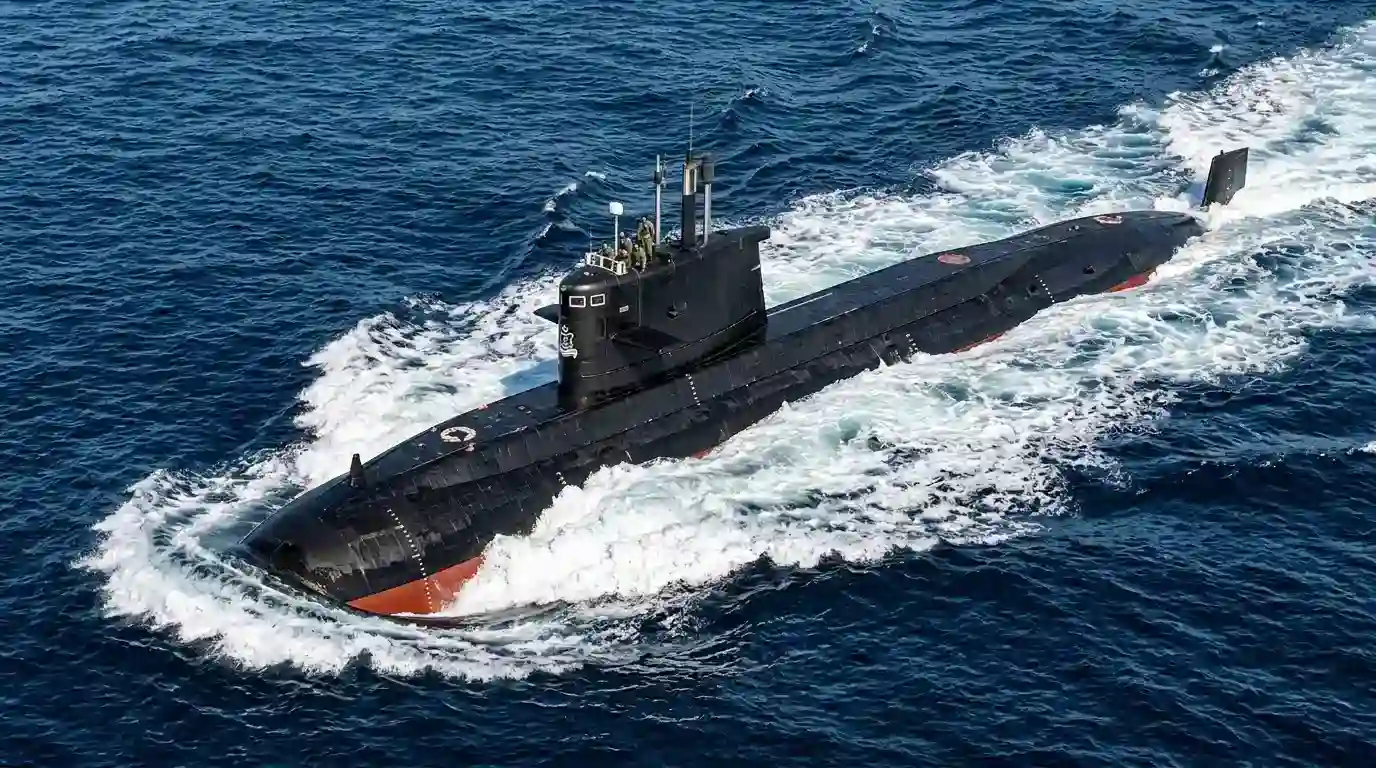
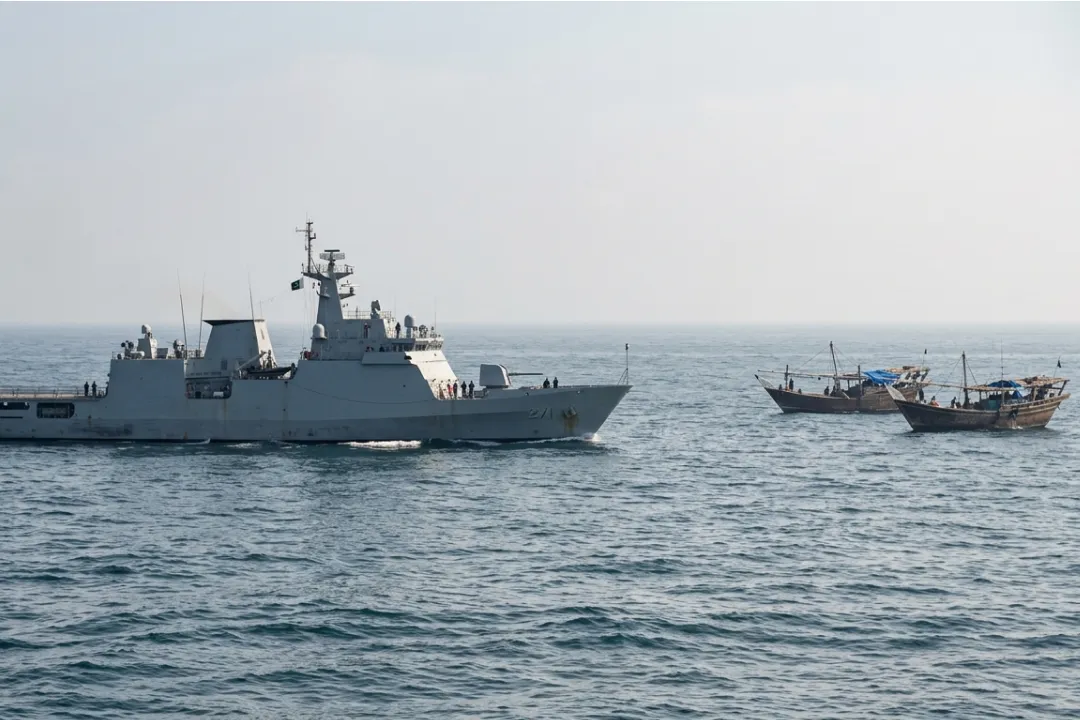
Pakistan Navy ship PNS Yarmook intercepted two dhows during separate counter-narcotics operations in the Arabian Sea, recovering approximately 2,850 kilograms of narcotics valued by the military at an estimated $96 million.
The operations were announced on October 7, 2026, by Inter-Services Public Relations (ISPR). The military said the interceptions took place at extended distances from Pakistan's coastline but did not disclose precise coordinates or identify the vessels' origins and intended destinations.
According to the ISPR account carried by Radio Pakistan, the recovered material included approximately 850 kilograms of crystal methamphetamine, commonly known as ice, and 2,000 kilograms of hashish/cannabis. The narcotics were discovered in concealed compartments aboard the vessels.
What did the Pakistan Navy recover?
ISPR reported that the narcotics were recovered across the two intercepted dhows. The statement did not specify how much of each substance was found aboard each vessel.
The publicly available announcement also did not include laboratory test results or a detailed inventory of the recovered packages.
According to the military, the seized material was taken into custody and would subsequently be handed over to the relevant authorities for legal proceedings and disposal.
How did the Arabian Sea interceptions take place?
ISPR identified PNS Yarmook as the naval vessel involved in both operations. The ship conducted the interceptions at extended ranges from the Pakistani coast.
The military did not disclose the dhows' registration details, exact interception locations or a detailed account of the boarding procedures.
The Arabian Sea connects major regional shipping routes, making maritime surveillance important to efforts against illicit trafficking. However, the location alone does not establish where the narcotics originated or where the vessels were heading.
What does the estimated $96 million value mean?
ISPR estimated the recovered narcotics' value at approximately $96 million. The figure is an official assessment, not an independently verified sale price or a documented financial loss to a trafficking organisation.
The announcement did not disclose how the valuation was calculated or whether it reflected wholesale, retail or destination-market prices.
What remains unknown about the intercepted vessels?
The initial public announcement did not identify the nationality or registration of the two dhows, their operators, the suspected origin of the narcotics or their intended destination.
It also did not specify whether anyone was detained during the interceptions or whether criminal charges had been filed.
Without further investigative findings, the operation cannot reliably be linked to a particular trafficking network or destination country.
How does the seizure compare with September's operation?
The October 7 announcement follows a separate Pakistan Navy operation reported on September 26, involving PNS Hunain and PNS Yarmook.
During that earlier operation, the military reported recovering more than 2,800 kilograms of narcotics with an estimated value of approximately $750 million, according to Associated Press of Pakistan.
Although the reported quantities were broadly similar, the estimated values differed substantially. The available information does not establish a consistent valuation method or sufficient details about the substances recovered in September to explain the difference. No connection between the two operations has been established.
What happens to the seized narcotics next?
ISPR said the recovered narcotics would be handed over to the concerned authorities for disposal and legal proceedings. The initial announcement did not confirm that the transfer, disposal or any resulting prosecution had been completed.
President Asif Ali Zardari and Prime Minister Shehbaz Sharif praised the operations. According to Radio Pakistan, both leaders commended the Navy's efforts against maritime drug trafficking.
The seizure represents a substantial quantity of narcotics recovered at sea, but questions remain about the intercepted vessels, the suspected trafficking route and the outcome of any subsequent investigation.