Federal ministers on Monday demanded that Pakistan Tehreek-e-Insaf clarify whether it stands with Pakistan or Afghanistan, while accusing the PTI-led Khyber Pakhtunkhwa government of failing to take sufficient ownership of counterterrorism efforts as the province faces a renewed wave of militant attacks.
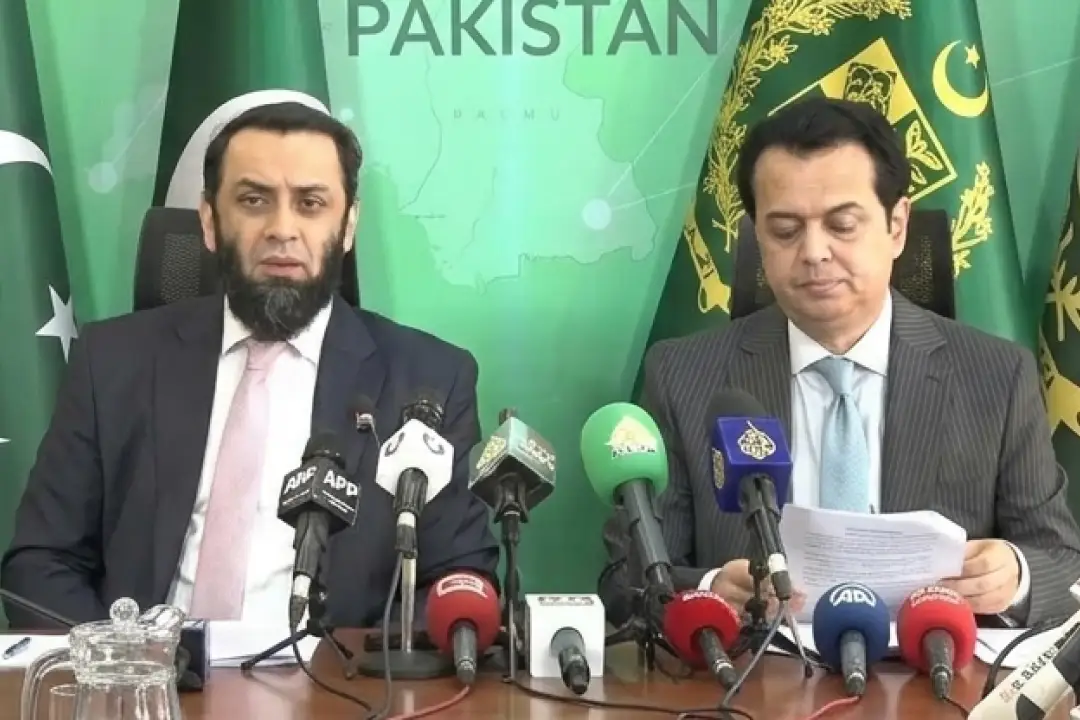
Information Minister Attaullah Tarar and Minister of State for Interior Talal Chaudhry addressed a joint press conference in Islamabad on September 28, 2026, levelling a series of accusations against KP Chief Minister Sohail Afridi and his administration. Their remarks came after major attacks in Kohat and Dera Ismail Khan that caused significant loss of life.
What the federal ministers alleged
Tarar accused the PTI-led provincial government of leaving KP police "at the mercy of terrorists" and criticised the provincial leadership over its response to recent security incidents involving Afghanistan. He has also described PTI as the "B-team" of the banned Tehreek-e-Taliban Pakistan and the "C-team" of the Afghan Taliban. These are political accusations made by the minister, not independently established findings.
Tarar has claimed that 2,456 terrorist attacks took place in Khyber Pakhtunkhwa during 2026 up to late September, an average of roughly 10 a day, and that 472 personnel from the police, army, Rangers and Frontier Corps were killed, while more than 1,500 people were injured. The figures were publicly stated by Tarar and should be understood as government claims. They have not been independently established here through a comprehensive published 2026 dataset from NACTA or the KP Counter-Terrorism Department.
Chaudhry focused on what he described as three weaknesses in the provincial counterterrorism effort: political leadership, resources and the use of authority. He alleged that the KP Counter-Terrorism Department remained ineffective across parts of the province and criticised what he described as shortages of protective equipment, modern vehicles, training and forensic and Safe City infrastructure. These were allegations made by the federal minister about the provincial government's performance.
Chaudhry also criticised a proposed law approved by the KP cabinet on September 23 to replace the KP Police Act, 2017. The draft KP Police Act, 2026 would make the provincial police chief's operational, administrative and financial powers subject to policy set by a police policy board and directions issued by the provincial government or chief minister. Chaudhry argued that the changes could weaken the police command structure and said the legislation would be challenged in the Supreme Court. At the time of the criticism, the measure was a cabinet-approved proposed law rather than an enacted replacement for the existing police act.
The federal ministers also criticised the provincial government's participation in counterterrorism coordination, contrasting it with KP officials' engagement with the federal government over financial matters. The criticism forms part of a broader dispute between Islamabad and Peshawar over responsibility, resources and policy in the fight against militancy.
Afridi: KP bears the brunt of terrorism
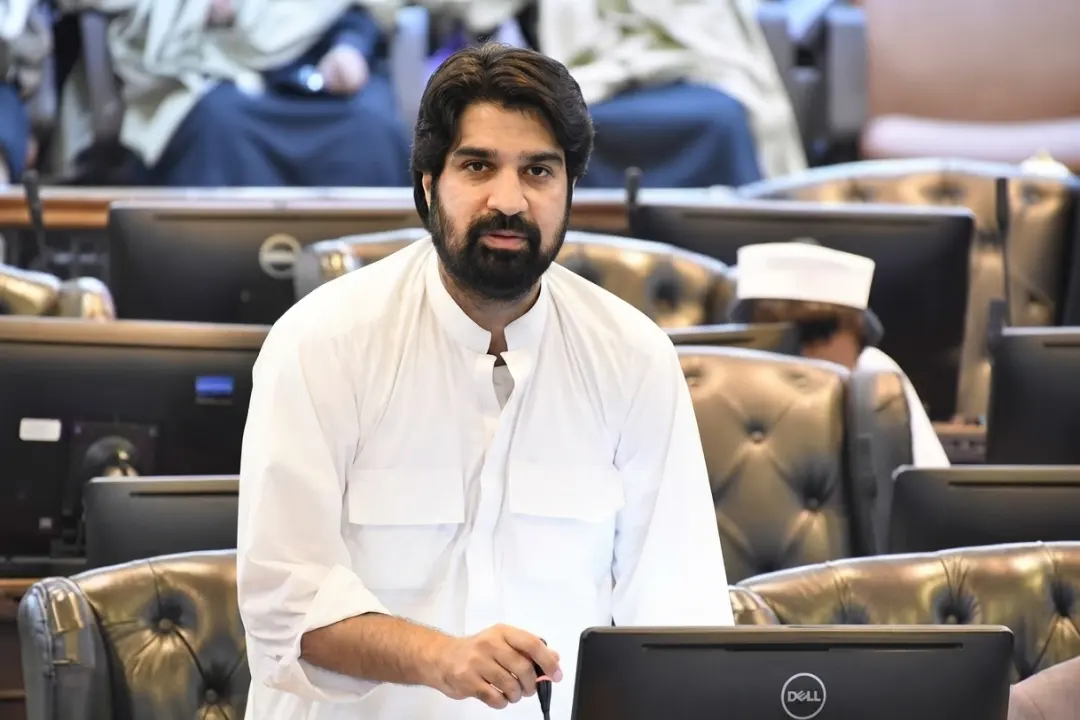
KP Chief Minister Sohail Afridi presented a substantially different account during a visit to Dera Ismail Khan on September 27, a day after the deadly attack in Darazinda.
Afridi condemned the attack and said the people, police and other personnel of Khyber Pakhtunkhwa had borne a heavy cost from terrorism. He said the provincial government had provided an additional Rs35 billion to the police during the 2025-26 fiscal year by reallocating development funds to strengthen the force.
The chief minister also demanded that the federal government provide armoured personnel carriers and other security equipment that he said the province urgently needed. He maintained that payments had already been made to federal agencies for equipment and infrastructure that had not yet been fully delivered.
Afridi argued that lasting peace could not be achieved through policies developed without input from the province and called for KP's people and government to be taken into confidence on security decisions. He has blamed what he describes as flawed policies for the resurgence of terrorism, while the federal government disputes the provincial leadership's account and argues that KP has not used its own authority and resources effectively enough.
The two governments have also disputed the provision of bulletproof vehicles. Tarar said the federal government had offered modern vehicles to KP police but that the offer was rejected. Afridi had previously ordered federally supplied bulletproof vehicles returned, describing them as old and substandard. Federal officials rejected that assessment and defended the vehicles. No independent technical assessment establishing which account was correct was cited in the public dispute.
Recent attacks behind the escalation
The political exchange follows two major attacks in Khyber Pakhtunkhwa during September.
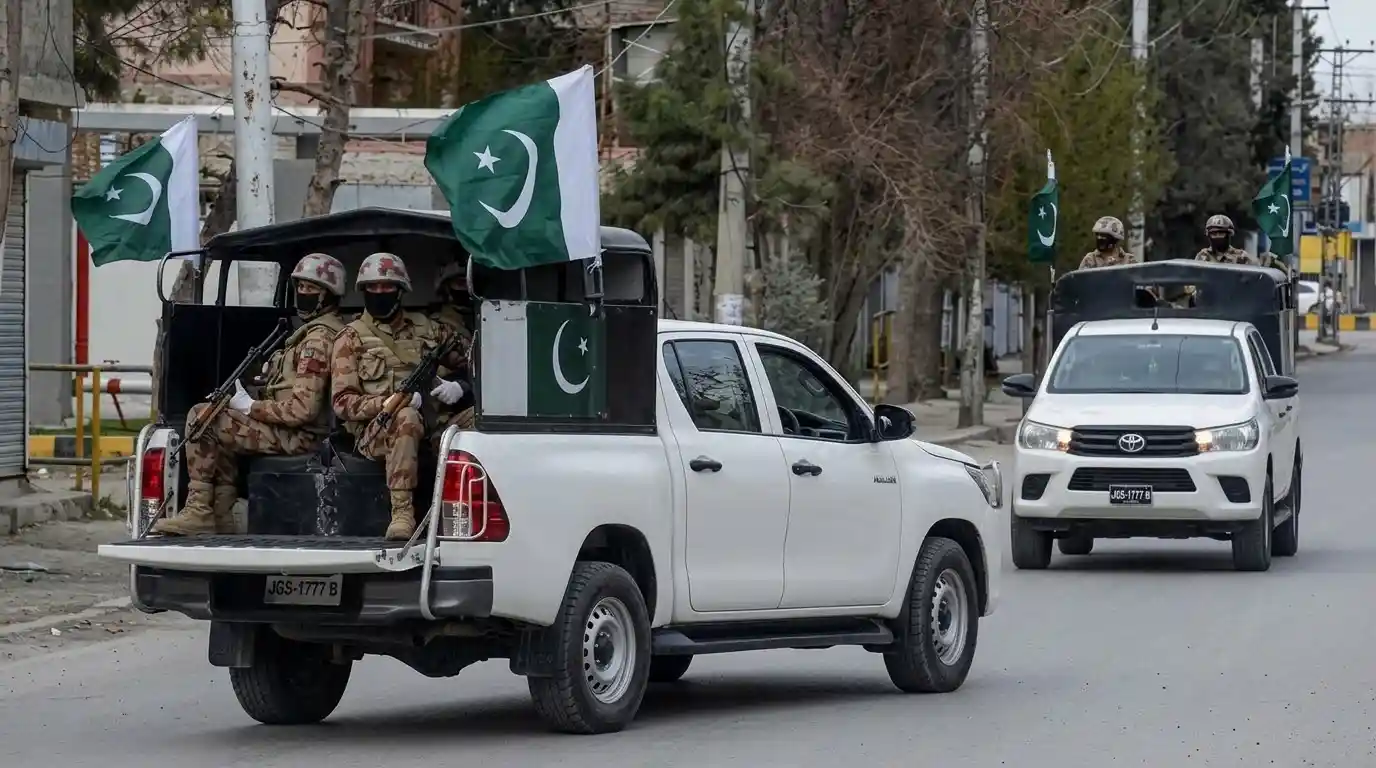
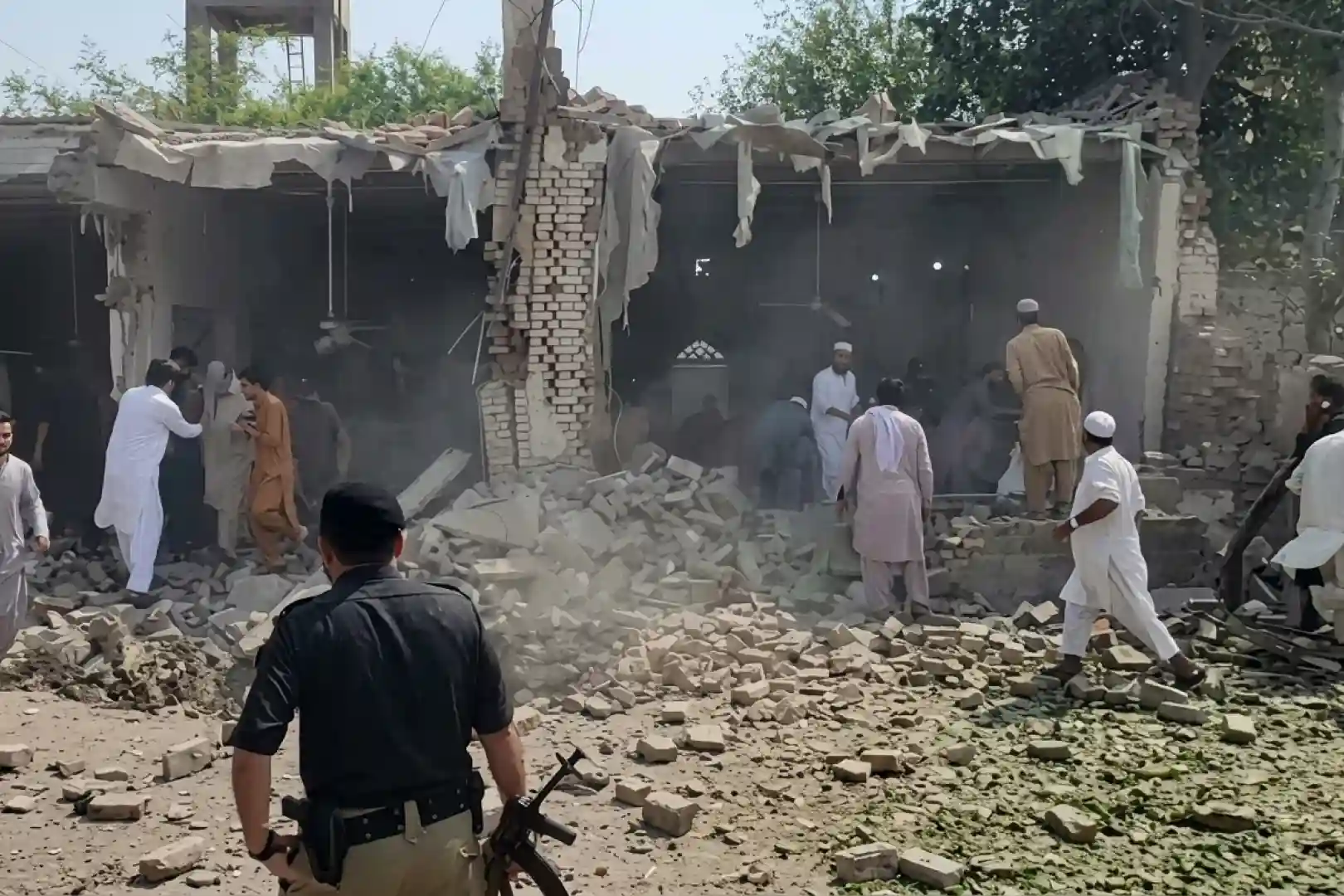
On September 18, 2026, an explosives-laden vehicle detonated near a mosque in Kohat's Old Police Lines during Friday prayers before militants stormed the compound and attacked police facilities. Police and Counter-Terrorism Department officials subsequently put the death toll at 23 people, including 17 police personnel and six civilians, with more than 100 people injured. An approximately 21-hour clearance operation ended with all eight attackers killed.
Authorities investigated possible links between the Kohat attackers and militant networks operating from Afghanistan. A senior police official said the group that claimed responsibility and some of its affiliates operated from Afghanistan, while the identities of the attackers were still being investigated. The claim of an Afghan connection should therefore be distinguished from a completed identification of every attacker.
On September 26, 2026, a suicide attacker rammed an explosives-laden vehicle into the Aman Mela joint checkpost in the Darazinda area of Dera Ismail Khan. Police said 12 people were killed and 35 injured in the blast. The dead included a Customs official and civilians, while police and army personnel were not among those killed in the explosion. The Tehreek-e-Taliban Pakistan claimed responsibility for the attack.
In a separate attack connected to the aftermath of the Darazinda bombing, a Rescue 1122 ambulance transporting victims came under fire. Two rescue workers were killed and another was injured, bringing the reported number of deaths across the bombing and subsequent ambulance attack to 14.
Official KP Police figures provide broader context for the security situation. According to the force's annual report for 2025, militants carried out 536 attacks against police, a 48 per cent increase from 2024, while 159 police personnel were killed. Police said they conducted 3,277 intelligence-based operations, arrested more than 1,300 militants and killed 459 militants during engagements that year. The force also reported that its bomb disposal unit neutralised 110 explosive devices, along with hundreds of grenades and other explosive threats.
Who is responsible: the constitutional picture
The political dispute also involves competing arguments over responsibility for security. Provincial policing and day-to-day law and order are primarily responsibilities of the provincial government, meaning the KP administration controls the provincial police, the KP Counter-Terrorism Department and significant parts of the province's law-and-order budget.
Counterterrorism, however, also involves federal institutions and federal-provincial coordination. The federal government has responsibilities involving the armed forces, Frontier Corps and federal law-enforcement and security institutions. The National Counter Terrorism Authority, or NACTA, is mandated to coordinate national counterterrorism strategies, threat assessments and action plans among relevant stakeholders. Pakistan's National Action Plan also involves both federal ministries and provincial governments.
This division of responsibilities means neither side's role can be reduced to a single institution. Provincial authorities manage policing and provincial security resources, while national counterterrorism strategy and military, intelligence and inter-agency coordination involve federal institutions as well.
The funding dispute is similarly contentious. Figures presented in the KP Provincial Assembly show that the province received approximately Rs3.489 trillion from the federal government over the five financial years from FY2020-21 to FY2024-25 under the NFC Award and the one per cent War on Terror share. Of this amount, approximately Rs3.114 trillion came through the NFC mechanism and Rs374.224 billion through the War on Terror share.
The same assembly data showed that federal receipts under those two heads reached approximately Rs1.047 trillion in FY2024-25, the highest annual amount during the five-year period. The figures are substantially lower than some syndicated reports that rendered the amounts as tens of trillions of rupees.
Federal ministers have used the transfer figures to question how counterterrorism resources have been spent, while the KP government has argued that the province requires additional resources and that some of its financial and security requirements remain unmet. The competing political claims should be distinguished from a detailed audited assessment of how individual War on Terror allocations were ultimately spent.
Political backdrop
The confrontation is unfolding against a wider political dispute between the federal government and PTI. The party postponed a planned September 27 march on Islamabad until October 4, 2026. The protest is linked to PTI's demands concerning its jailed founder, Imran Khan, including access to him, medical treatment and his release.
Federal ministers have criticised PTI's protest campaign and its priorities at a time of heightened security concerns in Khyber Pakhtunkhwa. PTI, meanwhile, maintains that its political demands and its criticism of federal counterterrorism policy are legitimate and rejects federal allegations that it is facilitating militancy.
Afridi has said his government is willing to resolve outstanding issues with the federal government through dialogue and has argued that KP wants terrorism eliminated while also seeking a greater voice in decisions affecting the province. He has warned against what he called any "misadventure" that could further deepen the confrontation between the provincial and federal governments.