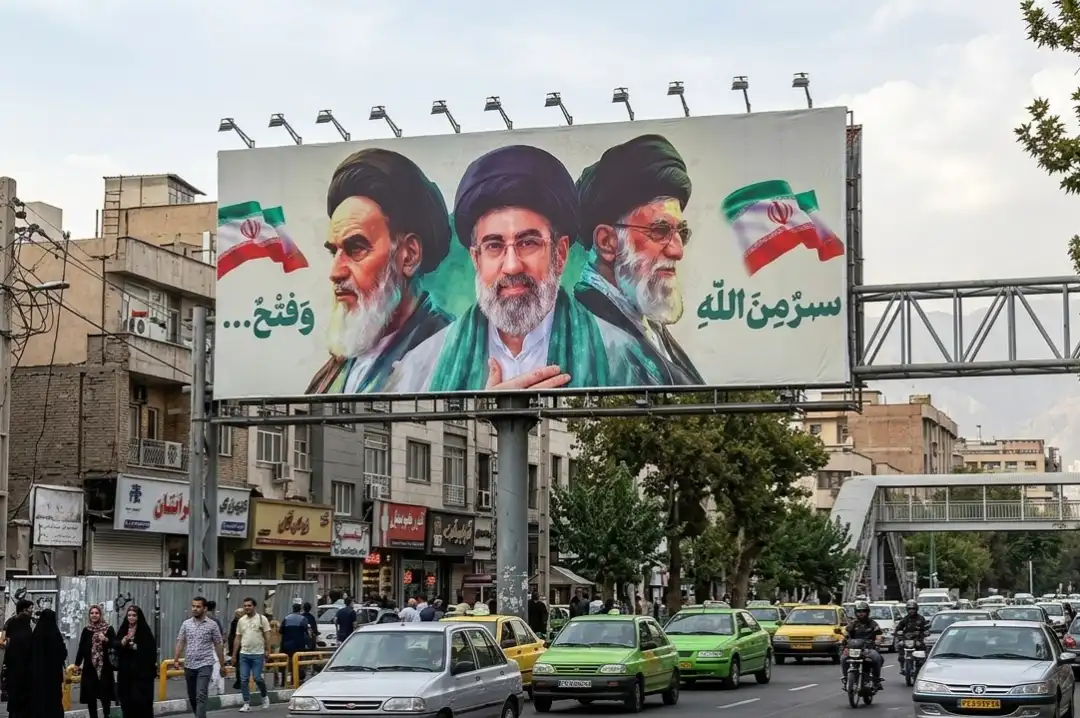
On Monday, October 26, a new round of regional diplomacy was reported in Tehran. The Associated Press reported that delegations from Pakistan, Saudi Arabia and Türkiye were there for meetings with Iranian officials. AP cited two regional officials and said an Iranian official had also confirmed the delegations' arrival. The reports reviewed did not confirm a final agreement.
Pakistan's regional position was set out in Istanbul
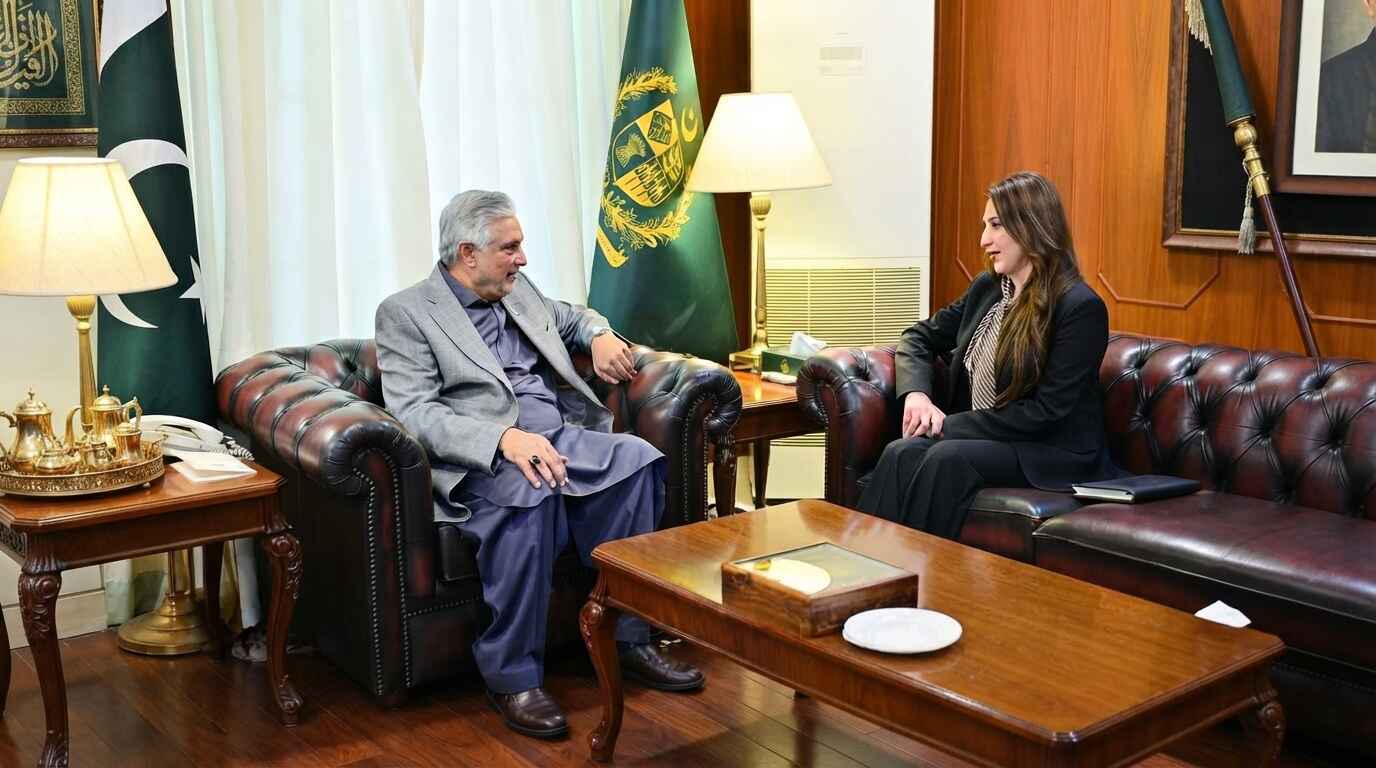
On October 23, foreign ministers from Türkiye, Egypt, Pakistan and Saudi Arabia met in Istanbul. Pakistan's Press Information Department said representatives from the United Kingdom, Italy, Germany and France also joined the wider meeting.
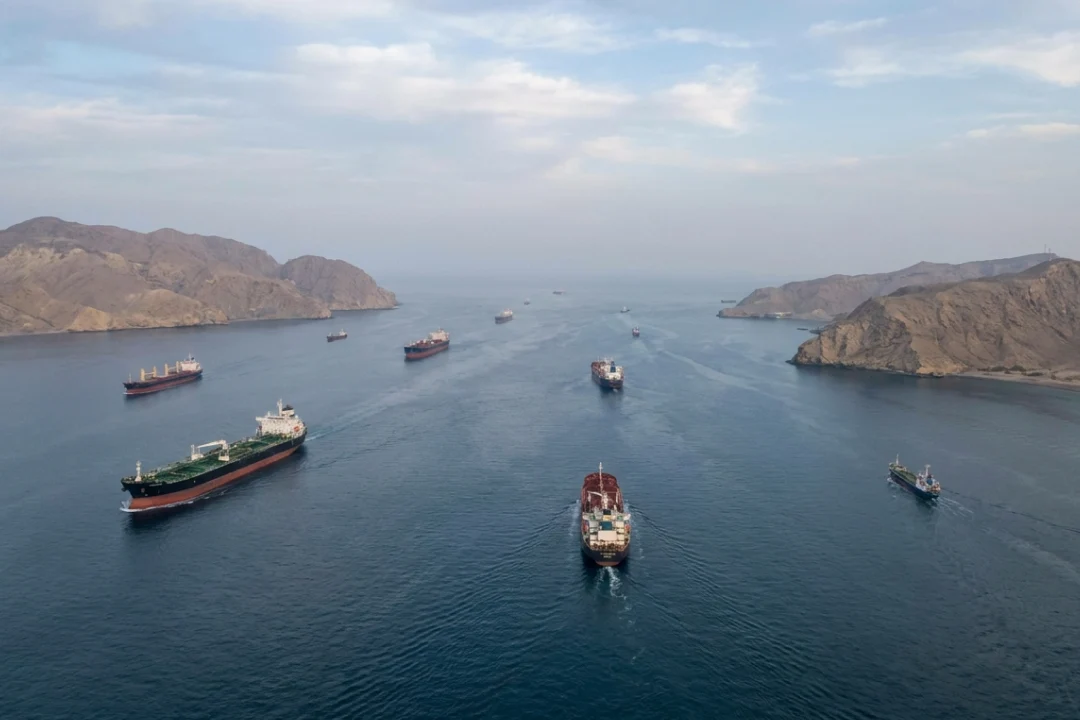
In a joint statement published by Türkiye's Foreign Ministry, the ministers supported a diplomatic response to the conflict involving the United States, Israel and Iran. They also backed the Islamabad Memorandum of Understanding and called for safe passage through the Strait of Hormuz. Pakistan's account of the wider ministerial meeting is available in its official press release.
The Tehran talks: participants and reported purpose
Reuters reported that the expected participants included Saudi Defence Minister Prince Khalid bin Salman, Pakistan's Field Marshal Syed Asim Munir and Türkiye's intelligence chief Ibrahim Kalin. Pakistan's government identifies Munir as Chief of Defence Forces in its October 23 release.
The Associated Press reported that the Yemen conflict and Houthi attacks against Saudi Arabia were among the subjects for discussion. AP also reported that Saudi Arabia described the visit as an effort to reduce tensions and improve regional security.
Reuters attributed the account of Pakistan initiating the meeting to a senior Iranian official. This is a reported account of how the meeting was arranged, not independent confirmation of its outcome.
How Trump's October 24 and 25 statements differ
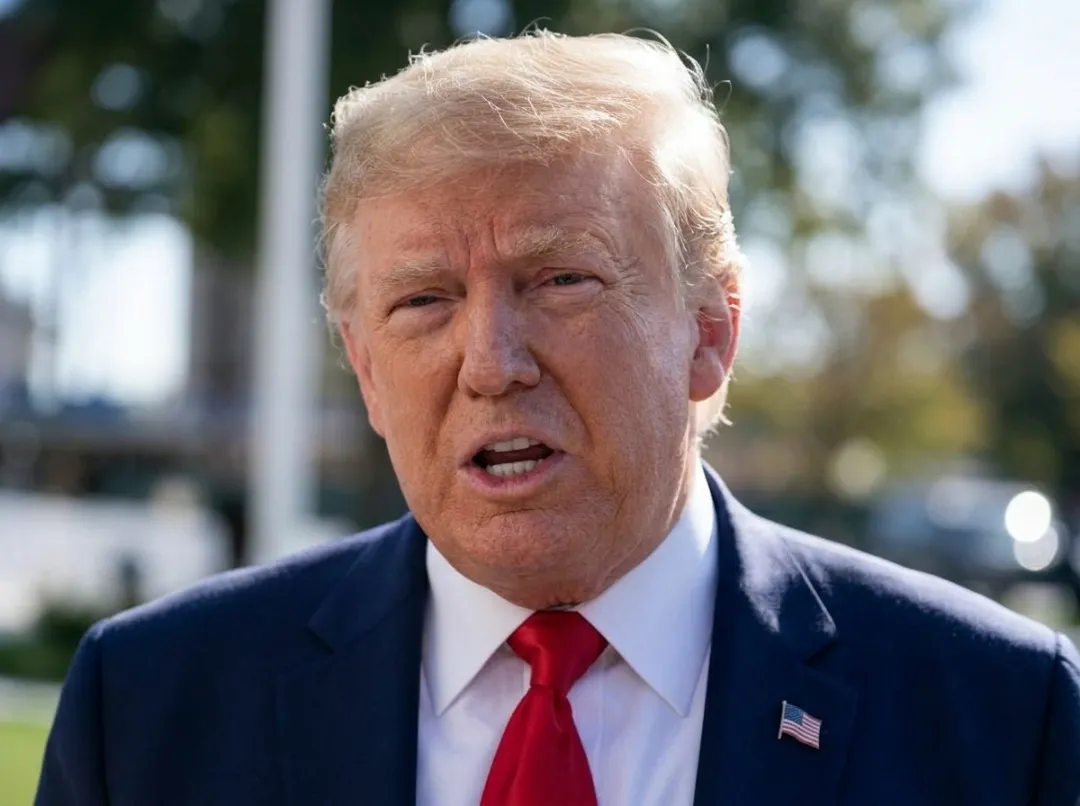
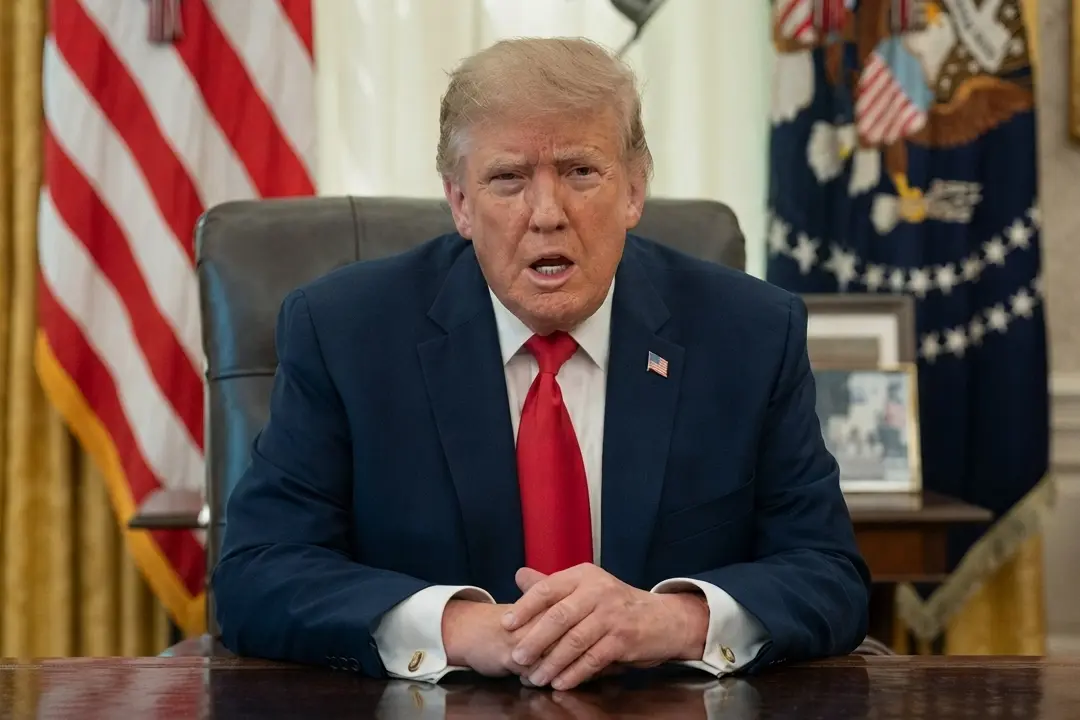
A CNN transcript dated October 24 records US President Donald Trump discussing possible military action against Iran as early as the following day, while also referring to a possible agreement. The statement described a possibility, not a confirmed military order.
On October 25, the Associated Press reported that Trump said there would be no US strike against Iran that Sunday. That statement was limited to October 25. It does not establish whether action had previously been formally authorised or whether a later operation was ruled out.
AP also reported that Iranian Foreign Ministry spokesperson Esmail Baghaei said messages continued to pass between Tehran and Washington through intermediaries. This supports the existence of reported diplomatic contact, not confirmation that a new agreement had been reached.
Why the regional talks matter to Pakistan
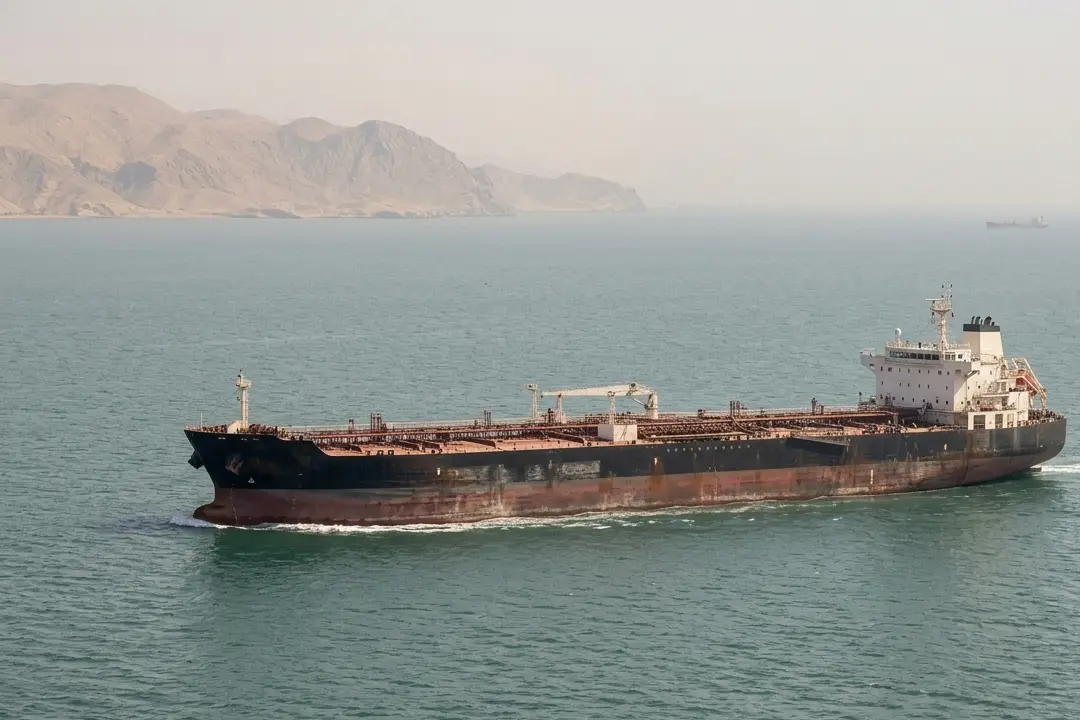
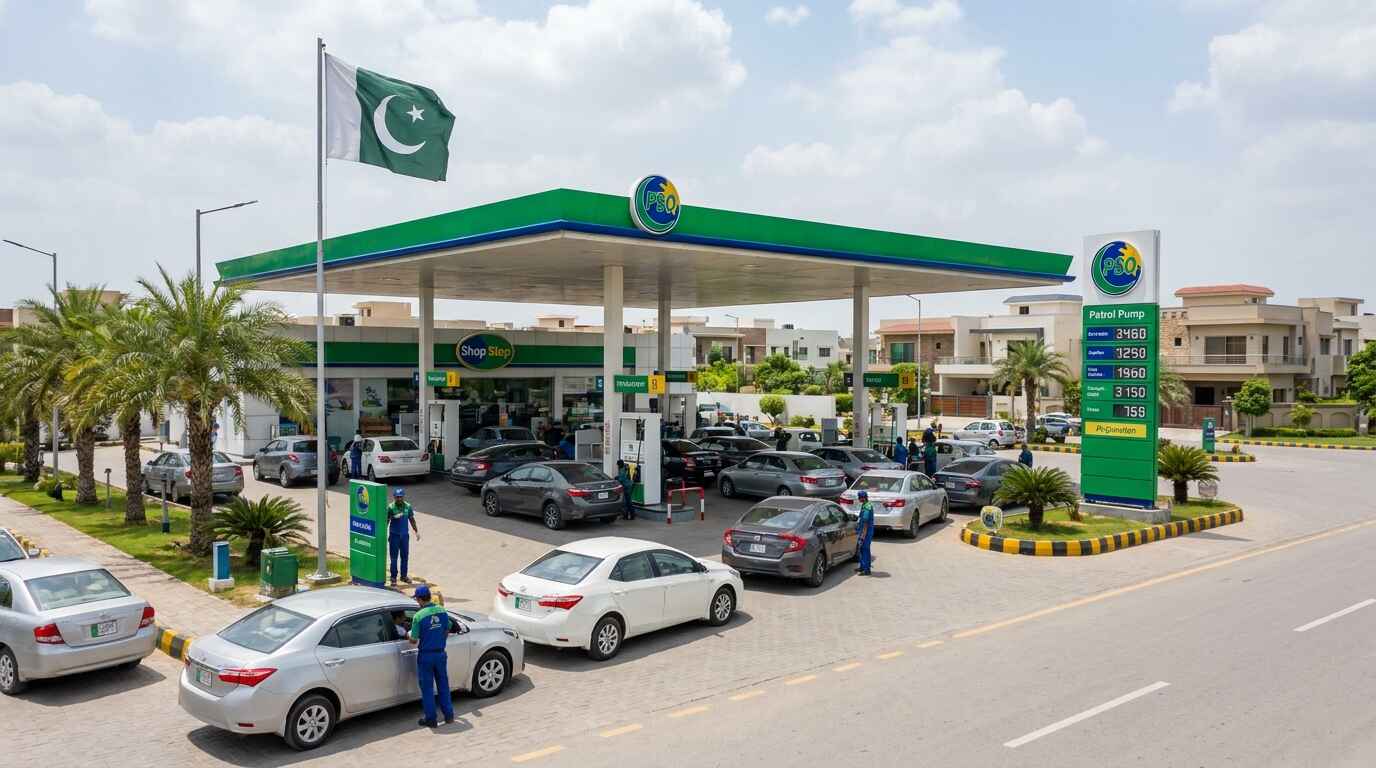
The October 23 joint statement warned that disruption to sea routes can affect supply chains and the movement of energy, fertiliser and food. For Pakistan, this is relevant context because the Strait of Hormuz is part of the regional energy and shipping picture. It is not evidence that a particular change in Pakistani fuel prices will follow from the reported meeting.
For background, read Origin Pakistan's earlier report on US-Iran diplomatic contacts and its explanation of Pakistan's exposure to disruption around the Strait of Hormuz.
What remains unconfirmed
The reports reviewed establish that delegations were in Tehran for meetings and that regional security was a stated subject of discussion. They do not confirm a final agreement between Iran and the United States.
The material reviewed for this article also does not establish that a new US strike was formally ordered after October 25. That is a limit of the available evidence, not proof that no later decision or announcement exists.
A further update should rely on an official account of the Tehran discussions or independently corroborated new developments. Until then, the reported diplomatic activity should not be presented as a settlement of the regional crisis.