An International Monetary Fund mission opened talks with Pakistani authorities in Karachi on September 23, 2026, beginning the fourth review of the country's $7 billion Extended Fund Facility and the third review of a parallel Resilience and Sustainability Facility aimed at climate resilience. The mission, led by IMF official Iva Petrova, is also conducting Pakistan's first Article IV Consultation in two years, following the previous consultation in September 2024.
The review assesses Pakistan's economic performance through June 30, 2026, and its outcome will determine whether the country can access a combined disbursement of roughly $1.2 billion under the EFF and RSF.
What this review actually covers
Pakistan's EFF arrangement, worth $7 billion in total, was approved on September 25, 2024. Finance Division officials told the National Assembly's Standing Committee on Finance and Revenue on September 25, 2026, that three reviews under the programme have already been completed, with cumulative disbursements to date of approximately $4.5 billion. This is the fourth EFF review, running alongside the third review of the separate RSF, a facility built around Pakistan's climate reform commitments.
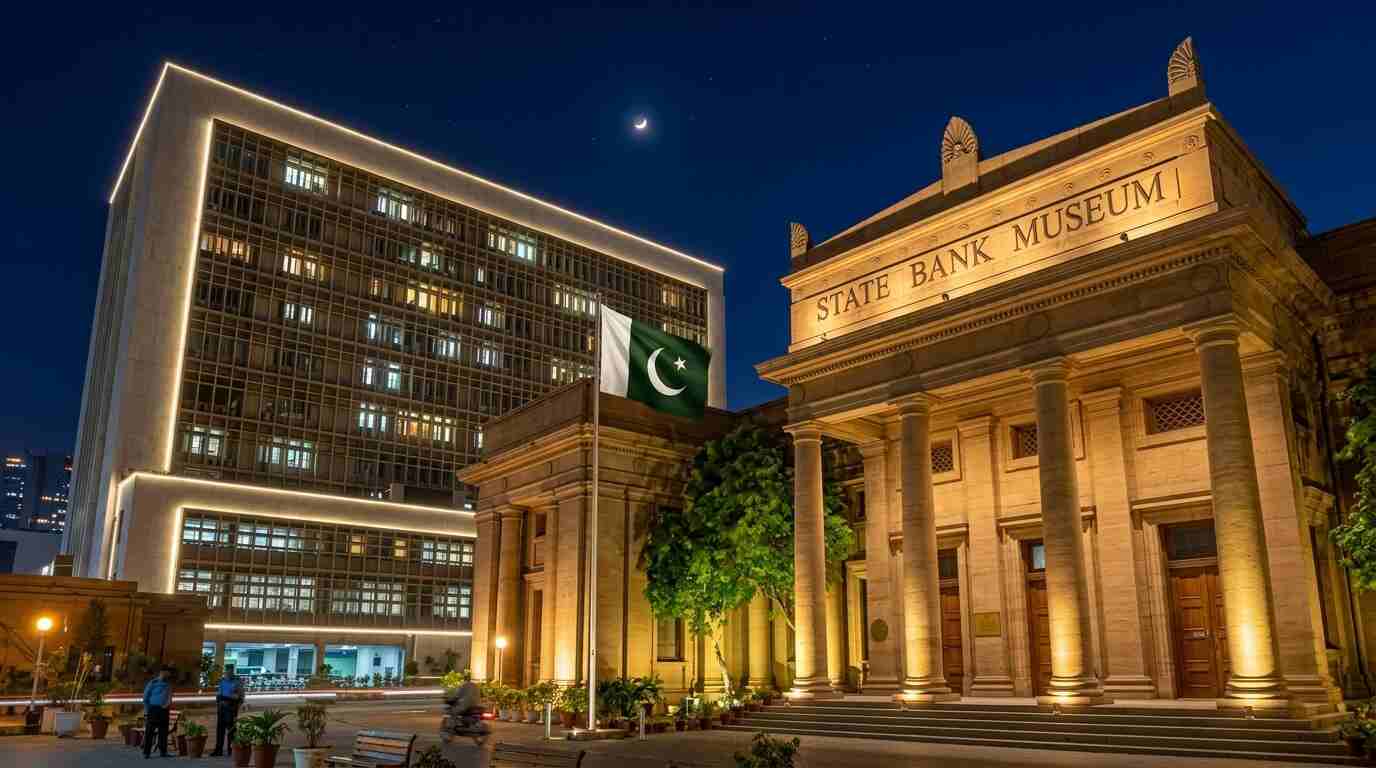
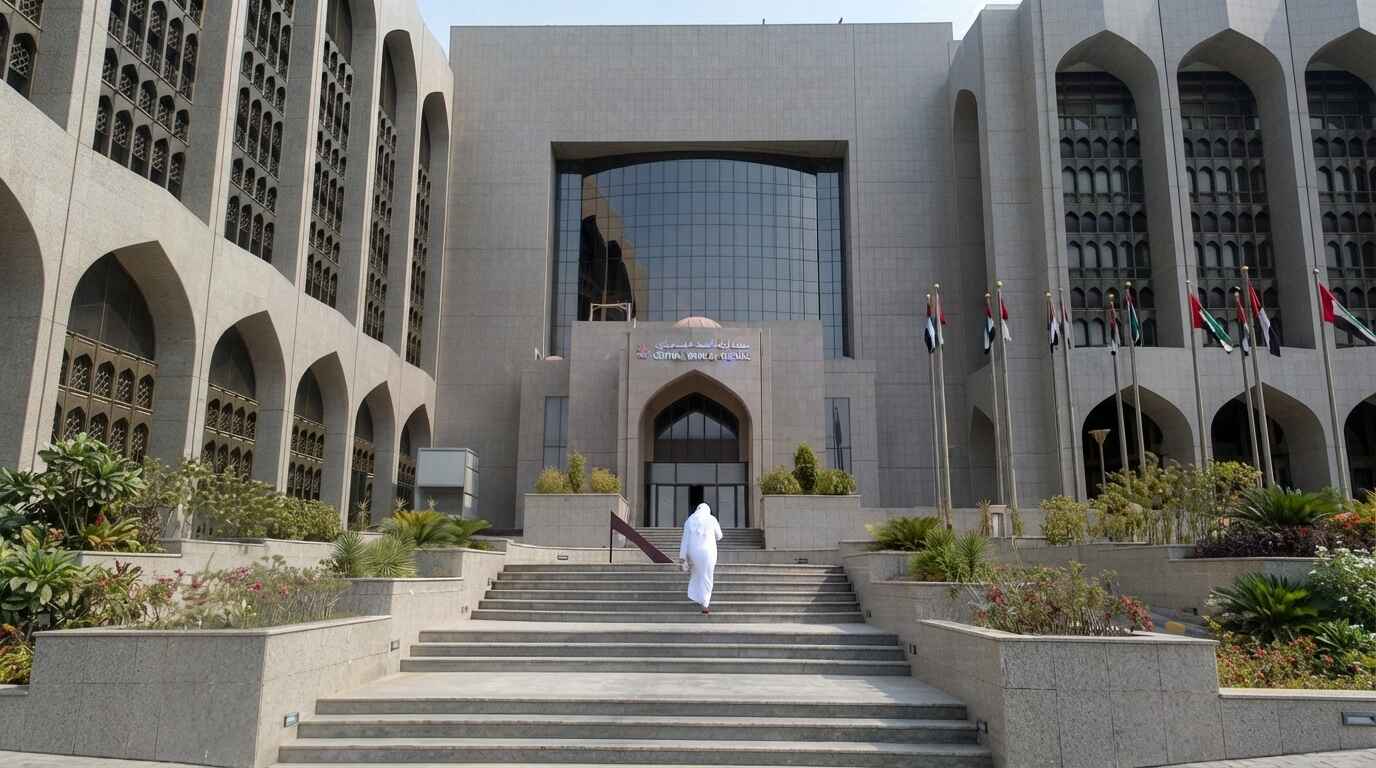
Talks opened with technical discussions at the State Bank of Pakistan in Karachi, focused on the current account position, the central bank's policy rate and the exchange rate. Pakistani officials say the mission will subsequently move to broader discussions covering fiscal policy, energy and revenue.
Why the last review flagged trouble
The programme's performance as of end-June 2026 has mostly stayed on track, though with a major revenue shortfall and slippages in the policy matrix, according to Dawn's reporting citing official sources. Among the issues flagged were government interventions in commodity operations, particularly wheat and sugar, despite IMF programme commitments aimed at limiting state intervention in commodity markets.
A central focus of this round is expected to be the Federal Board of Revenue's ability to meet its structural benchmark for first-half revenue collection, an area where the tax authority has repeatedly missed its annual targets.
What's riding on the outcome
If the two sides reach a staff-level agreement, it would still need approval from the IMF's Executive Board before funds are released. A completed review would make Pakistan eligible for about $1 billion, roughly 760 million Special Drawing Rights, under the EFF and a further $200 million under the RSF, with disbursement expected by late November or early December if the agreement holds. No release is guaranteed until the Board formally signs off.
Beyond the immediate tranche, the review carries broader weight because it touches the same structural benchmarks, fiscal consolidation, revenue mobilisation and energy sector reform that have shaped Pakistan's tax and energy pricing decisions throughout the current programme.
Where the talks stand
As of September 25, 2026, the mission remained in Karachi. Earlier reports had suggested the Islamabad leg of the talks could begin as soon as September 25 or by September 28, but briefing the National Assembly's Standing Committee on Finance and Revenue on September 25, Finance Division officials said the delegation was still in Karachi and would travel to Islamabad the following week, where it is expected to hold talks with the Ministry of Finance, the FBR, the Energy Ministry and provincial governments before the review concludes in early October.