Pakistan’s food supply figures describe overall availability across the country. They do not, on their own, show what a particular household can buy or eat. This distinction helps explain what national food-supply estimates can tell readers, and where their limits begin.
The United Nations Food and Agriculture Organization (FAO) reported on 3 March 2026 that a separate analysis found supply could limit consumption of some nutritious foods in Pakistan. It identified vegetables, fruit and pulses among the affected groups. The analysis was discussed at a workshop in Pakistan on 11 February 2026.
What did FAO compare?
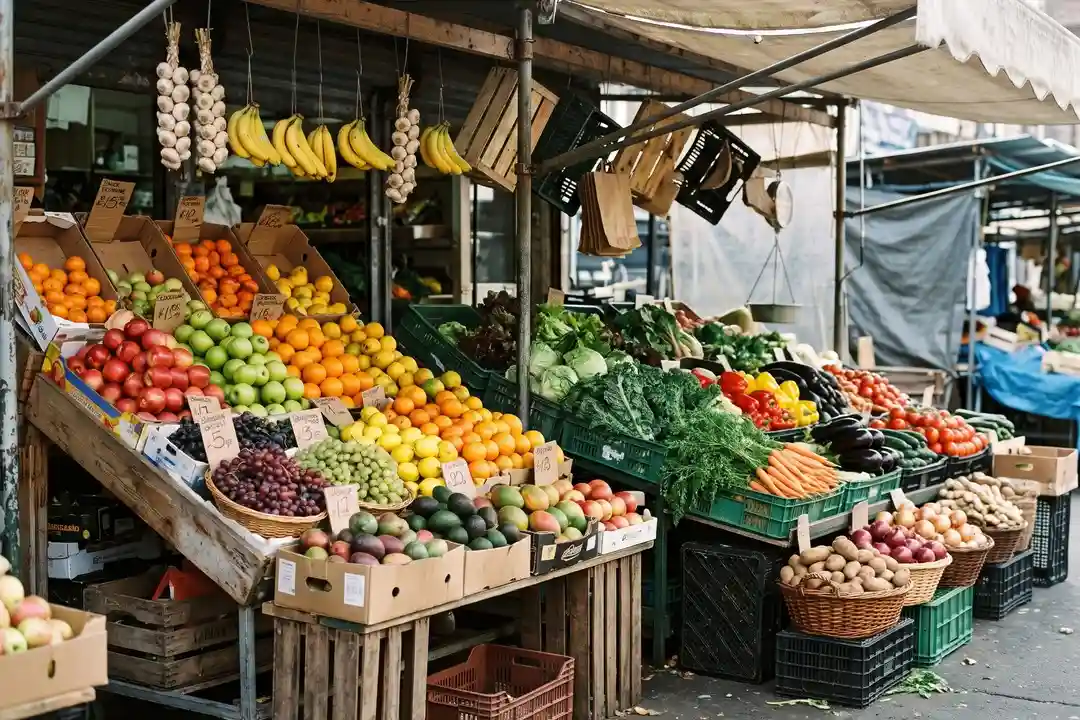
FAO said its analysis reviewed food-supply gaps and surpluses against Pakistan’s 2018 National Food-Based Dietary Guidelines, alongside household consumption patterns. It said cereals, sugar and oils were available in amounts above what is needed for a healthy diet.
Those are findings about an overall food system. They should not be read as a description of what every person or family eats.
How does a national food-supply estimate work?
FAO’s handbook describes food-balance sheets as estimates of a country’s food supply over a set period. The calculation starts with domestic production and imports, adjusted for changes in stocks. It then accounts for uses such as exports, animal feed, seed, processing and losses to estimate food available for people to consume.
This accounting can help show broad national shortages and surpluses. It is different from asking households what they bought or ate.
What can the figures leave out?
FAO’s handbook says national food-balance sheets do not show how diets differ among population groups or how supply changes by season. A country-wide estimate alone therefore cannot establish what is available in a particular neighbourhood or what a specific family can afford.
Household food-consumption surveys can add detail about what different groups acquire or eat. FAO describes these surveys and national supply estimates as complementary sources of information.
How should readers assess a supply headline?
- Check the period the estimate covers. A multi-year national estimate is not a live market update.
- Check what is measured: food available nationally, food acquired by households, or food consumed.
- Look for the geographic scope and any breakdowns by population group.
- See whether the source discusses seasonal variation and data limitations.
FAO’s analysis points to a mismatch between the supply of some foods and healthy-diet needs. The national estimate is useful for understanding that broad pattern, but it is not a direct account of an individual household’s diet.
Sources: FAO’s March 2026 analysis and FAO’s food-balance-sheet handbook.