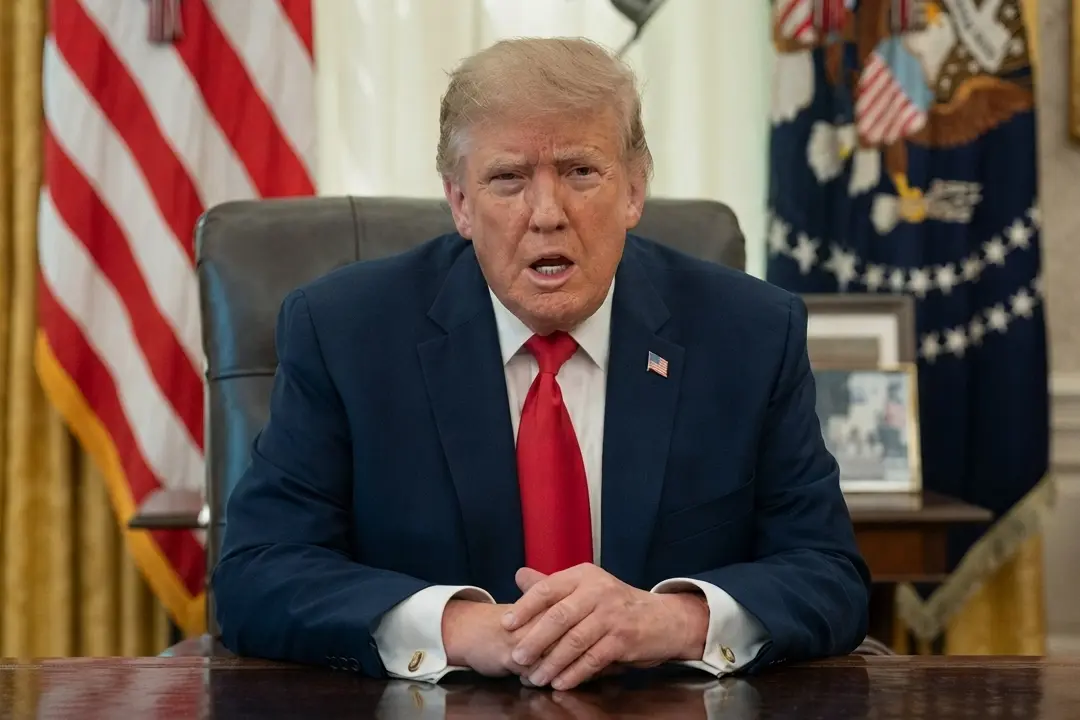
The 60-day window set by the Islamabad Memorandum of Understanding, the agreement that paused fighting between the United States and Iran in June 2026, expired on Monday, August 17. Over the following 24 hours, three different accounts of whether Washington was talking to Tehran came out of the US administration, Iran publicly rejected one of them, and President Donald Trump posted a map describing the Strait of Hormuz as American territory.
This report covers what each side said on August 17 and 18, 2026, what could be independently verified at the time, and what remained in dispute.
Monday: a backchannel confirmed
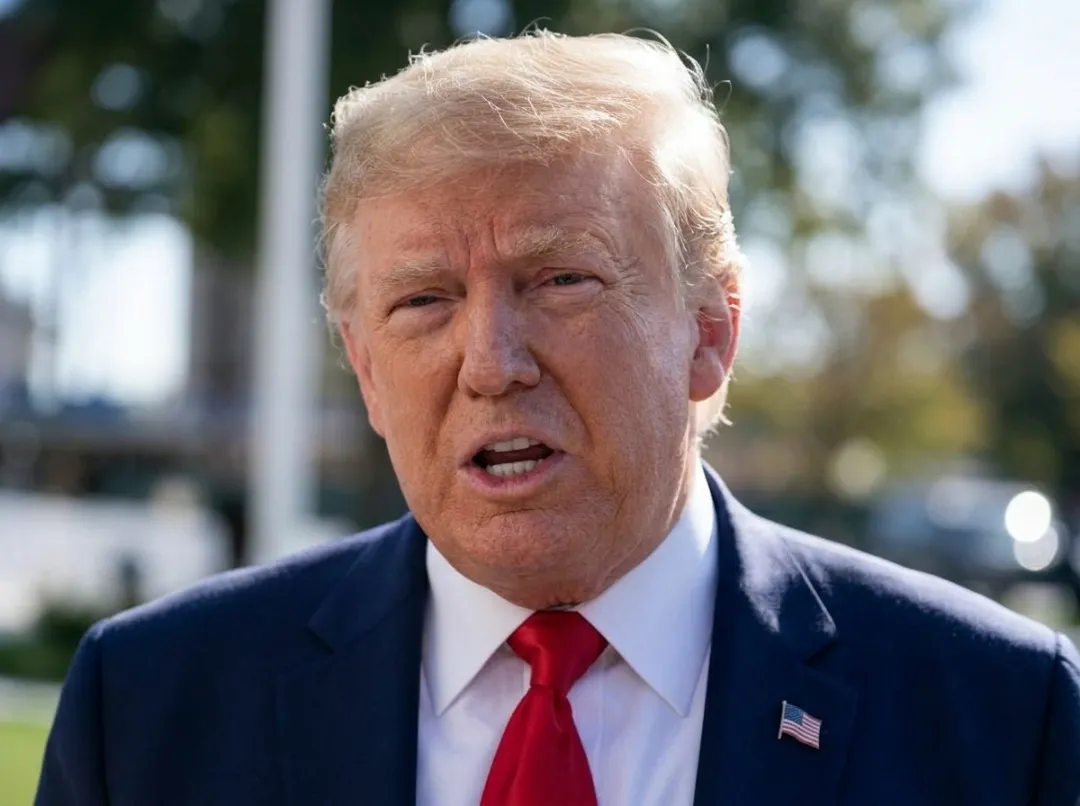
In a phone interview with Fox News chief foreign correspondent Trey Yingst on the morning of Monday, August 17, Trump confirmed that his administration was communicating directly with officials of Iran's Islamic Revolutionary Guard Corps. He said he had "no time schedule" and was not in a hurry to reach an agreement, and called on Iran to surrender. Iran International reported the interview the same day.
Later that day, Trump's envoy and son-in-law Jared Kushner gave his own account to the same network. Kushner said the two governments were having "very positive and active conversations", and described contacts across different parts of the Iranian government as more extensive than at any previous point. He also said the two sides were not yet at an understanding, that Iran was not showing interest in an outcome that worked for Washington, and that Trump would be patient rather than rush a deal. A full transcript of those remarks was published by Mediaite.
Iran rejected the backchannel claim within hours. IRGC spokesman Hossein Mohebi, quoted by the IRGC-affiliated Tasnim news agency, said no talks were underway between IRGC officials and the Americans and called the assertion a fabrication. Iran's foreign ministry spokesman, Esmaeil Baghaei, separately denied reports of contacts arranged through officials in Iraq's Kurdistan region. Iran International carried both denials.
Tuesday: the denial
On the morning of Tuesday, August 18, Trump wrote on his Truth Social platform that there were "no talks or conversations going on, or scheduled" with Iran. In the same post he said the US naval blockade remained in full force, that the Strait of Hormuz was open and operating, and that all water mines had been removed or detonated.
The post was reported by multiple outlets, including AFP. It was not accompanied by any explanation of how it related to the previous day's confirmation of an IRGC backchannel, and the administration did not publicly reconcile the two statements. US sources cited by AFP said discussions had taken place but that Trump had decided to hold back and had asked his team not to engage until Tehran was ready to make a deal. Neither the president nor the White House said publicly at the time whether that was the intended meaning of the post.
Separately on August 18, Trump posted an image of a map with the Strait of Hormuz marked as new United States territory. He had raised the idea of claiming the waterway in a speech on Friday, August 14, and again in remarks to reporters on Monday, August 17. No legal mechanism, timetable or formal proposal accompanied any of those statements.
Iran's conditions and the Islamabad memorandum
Also on August 18, Mohammad Bagher Ghalibaf, the Speaker of Iran's parliament, addressed the 180th open session of the Islamic Consultative Assembly. Ghalibaf, who had led Iran's negotiating team during the direct talks that produced the June agreement, said the strait would not be reopened until the United States implemented its commitments under the memorandum.
He listed four conditions, according to Tasnim and Mehr News Agency:
- lifting the US naval blockade of Iranian ports
- releasing Iran's frozen assets abroad
- removing sanctions on Iranian oil exports
- ending threats and military operations on all fronts
The agreement Ghalibaf was referring to is the Islamabad Memorandum of Understanding, a 14-point document signed by the United States and Iran overnight into June 18, 2026, following talks brokered in Pakistan's capital. Among its provisions, as set out in an Al Jazeera explainer on the negotiations, was an arrangement under which Iran would allow commercial vessels through the Strait of Hormuz without charge for 60 days. That was the window that closed on August 17. Fighting had already resumed in July, and by mid-August the memorandum's roadmap was not being implemented.
Pakistan's role in producing the agreement is why Islamabad has continued to press both governments to return to it. Origin Pakistan reported on Pakistan's renewed call for the memorandum to be implemented in September.
What the shipping data showed
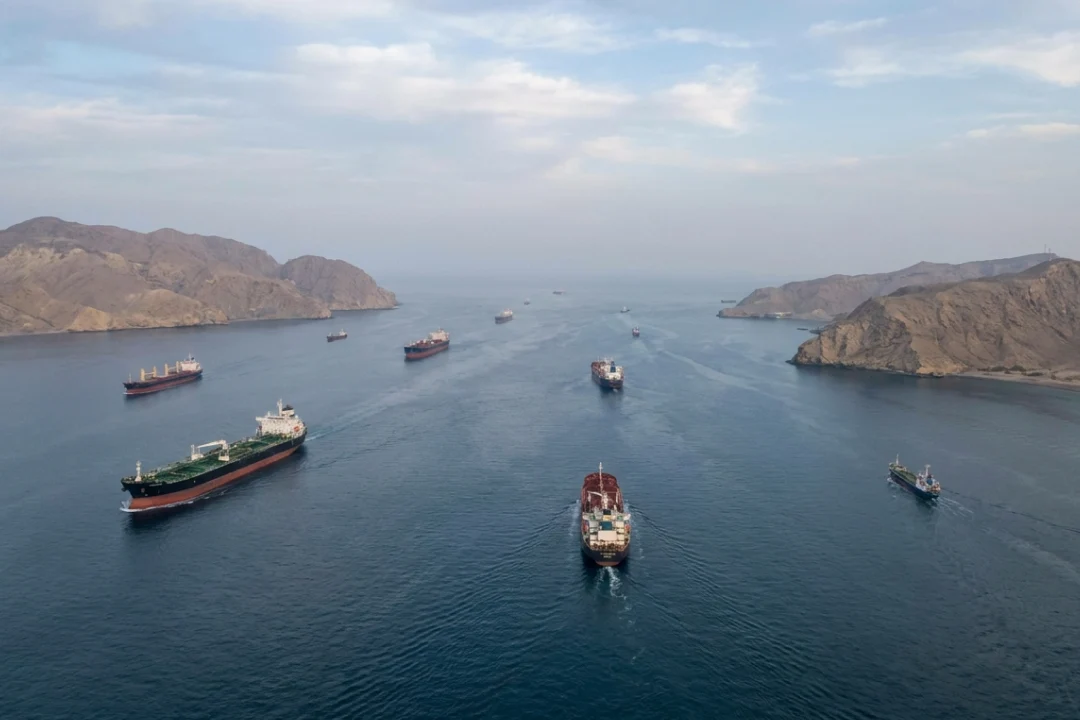
Trump's assertion that the strait was open and operating, and that mines had been cleared, could not be independently confirmed on August 18. CNBC reported that US Central Command did not repeat the demining claim and referred questions about it to the White House.
Tracking data pointed in the other direction. Figures from the maritime analytics firm Kpler, reviewed by Al Jazeera, recorded 236 vessels of all types transiting the strait between August 1 and August 19. Before the war began on February 28, 2026, the waterway handled roughly 120 to 140 transits on a typical day.
The strait's importance is measured in more than one way, which has produced differing figures in circulation. The US Energy Information Administration put flows through Hormuz at about 20.9 million barrels per day in the first half of 2025, equivalent to roughly 20 percent of global petroleum liquids consumption and about one quarter of all oil traded by sea. The International Energy Agency gives a similar figure of around 25 percent of the world's seaborne oil trade. Roughly a fifth of global liquefied natural gas trade also passes through the strait.
Where mediation stood that day
At the Qatari foreign ministry's weekly briefing on August 18, spokesman Majed Al Ansari said Doha expected Oman and Iran to reach an agreement on the strait, and that such an agreement would make it considerably easier to resume US-Iran talks. He said a ceasefire, freedom of navigation through Hormuz and a return to negotiations were the only way forward, and acknowledged that the memorandum's roadmap was not then being implemented. CNN carried his remarks.
This was an expectation rather than a confirmed development. Oman and Iran, the two states bordering the strait, had been discussing navigation arrangements for weeks. Trump had separately threatened to strike Oman if it interfered with US operations in the waterway, according to AFP.
What was and was not established
Three things were documented on August 17 and 18, 2026: Trump confirmed a backchannel with the IRGC and then denied that talks existed; Kushner described conversations as active but inconclusive; and Iran denied the backchannel while setting four conditions for reopening Hormuz. Two of Trump's claims about the strait, that it was open and operating and that mines had been cleared, were not corroborated by US Central Command or by ship-tracking data at the time.
What was not established is why the accounts differed. The administration offered no public explanation, and no participant has since described the sequence on the record. Reporting that presents a single motive for the discrepancy is inferring it.
Editor's note, added September 17, 2026: This article records events of August 17 and 18, 2026, and has not been updated to reflect the situation since. For subsequent developments, see Origin Pakistan's reporting on the White House restating on August 27 that no negotiations were underway and on Iran's confirmation on August 30 that it had reached an understanding with Oman but would not reopen the strait. A regional meeting on an Omani plan for reopening Hormuz, scheduled for Salalah, was postponed indefinitely on September 13, 2026.