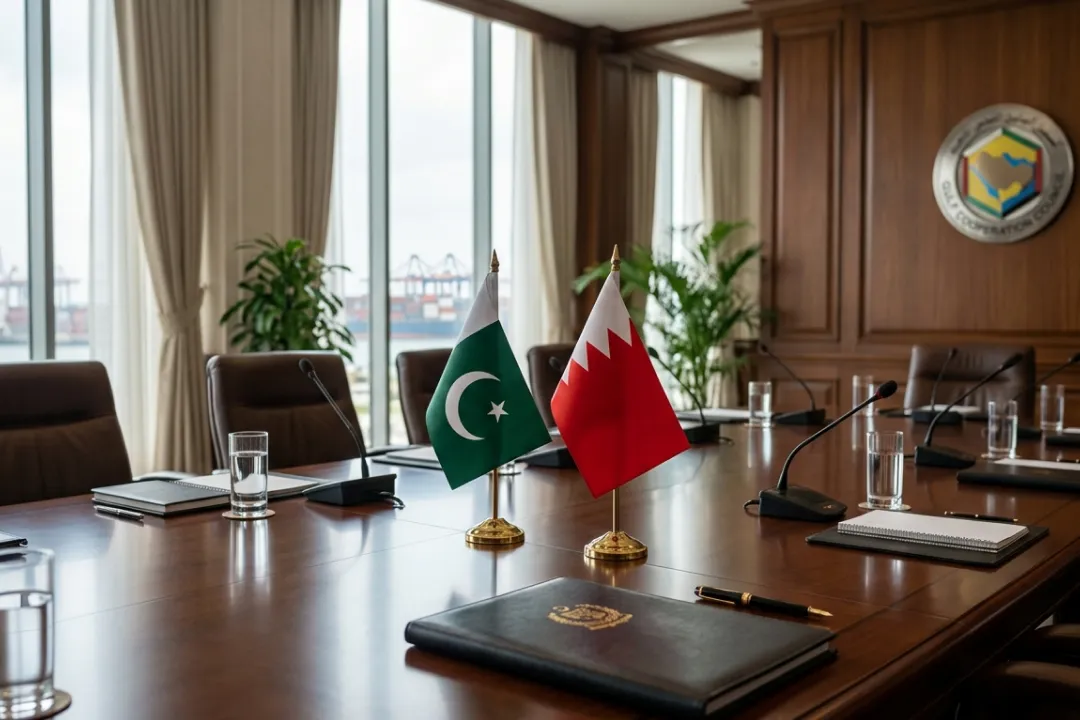
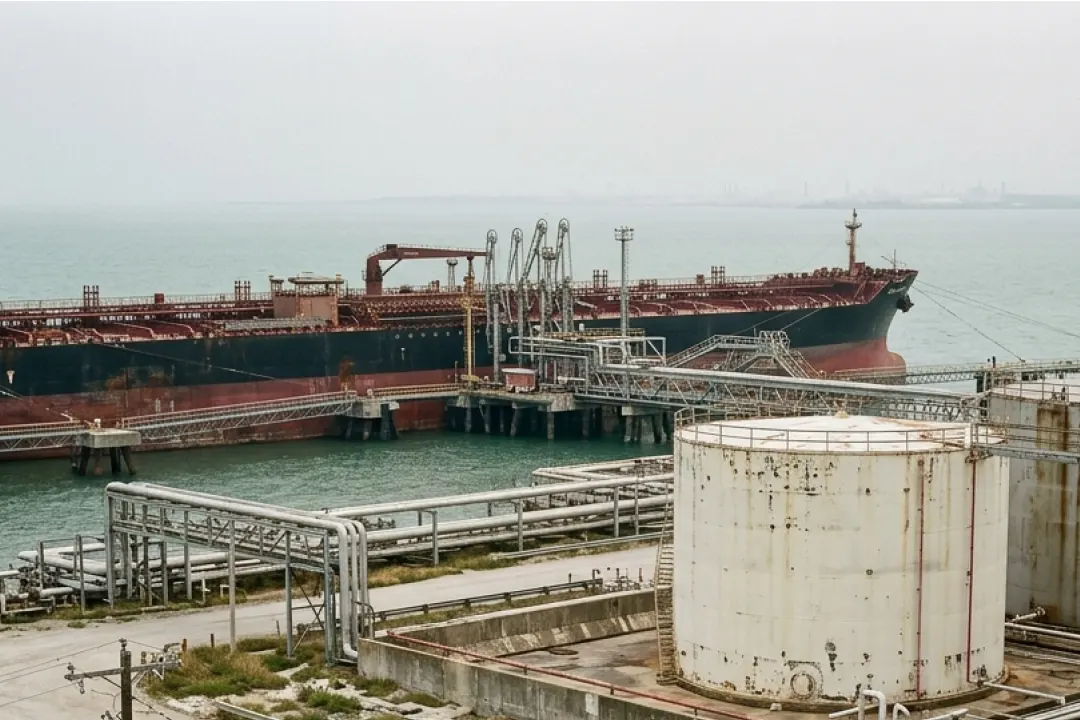
Pakistan State Oil (PSO) has signed a Sale Purchase Agreement (SPA) for petroleum-product supplies with OQ Trading Limited, part of Oman's OQ energy group, under a 2018 agreement between Pakistan and Oman.
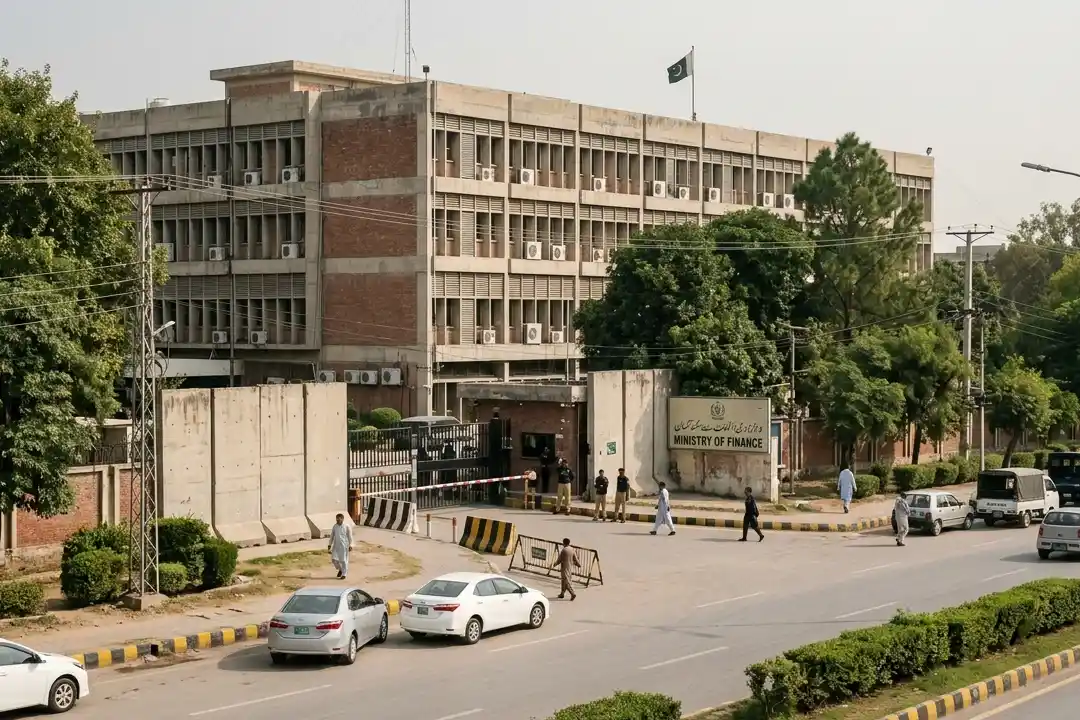
The SPA was signed on October 8, 2026, following approval by PSO's Board of Management and Pakistan's federal cabinet. PSO confirmed the development in an official material information disclosure filed with the Pakistan Stock Exchange on October 9. The agreement was also reported by Business Recorder.
The agreement establishes a contractual arrangement between the two companies for petroleum-product supplies. However, PSO's public filing does not specify how much fuel will be supplied, when deliveries will begin or how the products will be priced.
How the Pakistan-Oman petroleum agreement developed
The commercial arrangement follows an intergovernmental agreement signed between Pakistan and Oman on May 14, 2018. Under that framework, PSO was nominated on behalf of Pakistan, while OQ Trading, formerly known as Oman Trading International Limited, was nominated on behalf of Oman.
PSO subsequently worked with OQ Trading to finalise the supply agreement. The company's October disclosure confirmed that its board and the federal cabinet had approved the SPA before it was signed.
Pakistan's Economic Coordination Committee (ECC) had also approved the Petroleum Division's proposal for the SPA on August 24, 2026. In its August 24 press release, PR No. 618, titled "Finance Minister Chairs ECC Meeting", the Finance Division said the proposed agreement was intended to promote cooperation between PSO and OQ Trading in the energy sector.
OQ Trading is a wholly owned company within Oman's OQ group, according to OQ's official corporate portfolio. The supplier's corporate relationship with Oman does not, by itself, establish the physical origin or shipping route of petroleum products that may be delivered under the SPA.
What the agreement confirms and what remains undisclosed
The distinction between signing a supply agreement and receiving actual fuel deliveries matters. PSO has confirmed the commercial arrangement, but its public filing does not provide a detailed delivery programme.
As of October 13, the available public disclosure and reporting do not establish the following commercial terms:
- The agreement's financial value or pricing formula.
- The volume of petroleum products committed for supply.
- The exact products and quantities covered by future deliveries.
- The contract duration or renewal arrangements.
- The first delivery date and shipment schedule.
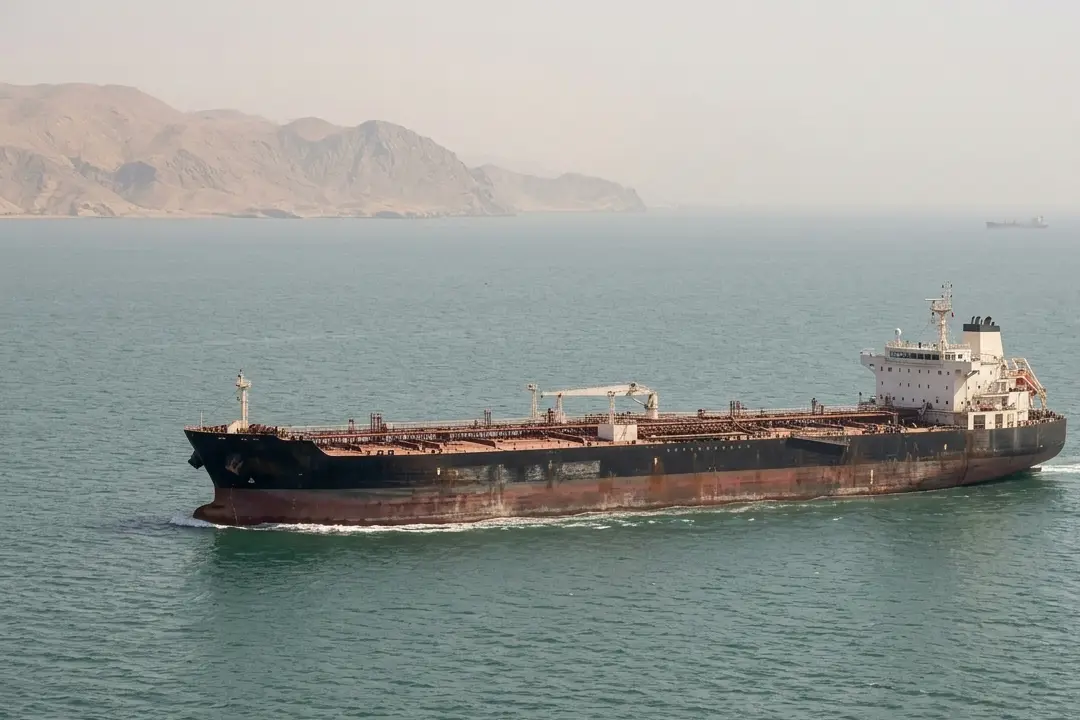
- The ports of origin or shipping routes for future cargoes.
Those details will be important in assessing the agreement's practical significance. Without them, it is not possible to calculate how much of Pakistan's fuel imports the arrangement could cover or whether it would offer financial benefits compared with other procurement options.
Why the deal matters for Pakistan's fuel supplies
The agreement comes at a time when regional energy-market disruption has increased attention on the reliability of fuel imports. Access to additional potential suppliers can provide procurement flexibility, although the practical benefit depends on contractual terms, cargo availability, shipping arrangements and import costs.
For Pakistan, the potential advantage is an additional commercial supply arrangement rather than an immediate increase in fuel inventories. Whether it improves the reliability of future supplies will depend on how the agreement is implemented and what deliveries are eventually arranged.
Regional shipping disruptions can also affect international fuel costs and create wider economic pressures for Pakistan. Origin Pakistan previously examined these connections in its report on the Strait of Hormuz standoff and Pakistan's fuel, power and inflation outlook.
The PSO-OQ Trading disclosure does not establish that future shipments will bypass the Strait of Hormuz or follow any particular route. Such claims would require separate evidence about the origins and transport arrangements of actual cargoes.
Will the agreement reduce petrol prices in Pakistan?
There is no confirmed basis to conclude that the agreement will immediately reduce petrol or diesel prices for Pakistani consumers.
Pakistan's retail fuel prices are affected by several factors beyond the existence of an import contract, including international petroleum prices, exchange-rate movements, freight costs and government levies. Any price effect from a particular supply arrangement would depend on its commercial terms and how those costs enter the domestic pricing system.
Because PSO's public filing does not establish a pricing formula or delivery commitments, the available information does not support any calculation of consumer savings.
The confirmed development is the signing of a petroleum-product supply agreement between PSO and OQ Trading. Its longer-term significance will become clearer if the companies disclose implementation details or verifiable deliveries under the arrangement take place.